- Cat. No.
- A12565
ITE
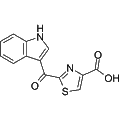
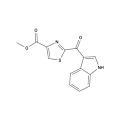
ITE is a potent endogenous agonist of aryl hydrocarbon receptor (AhR), binding directly to AHR, with a Ki of 3 nM. ITE also has immunosuppressive activity.
Search by product name, CAS, target or catalog number. Press Down Arrow to reach product suggestions, Tab to move between links, and Escape to close suggestions.
Aryl hydrocarbon receptor (AhR) ligands act on a ligand-activated transcription factor of the bHLH-PAS family. Cloning of the receptor complementary DNA in 1992 showed that AhR combines a basic helix-loop-helix (bHLH) domain with a Per-Arnt-Sim (PAS) domain. The tryptophan metabolite kynurenine was later described as an endogenous agonist produced by tryptophan 2,3-dioxygenase. Antagonists of AhR were shown to support the expansion of human hematopoietic stem cells in culture, which made StemRegenin 1 a common tool in that work. CH-223191, ITE, tapinarof and L-Kynurenine complete a set that covers both receptor activation and blockade in reporter and gene expression assays.
ITE is a potent endogenous agonist of aryl hydrocarbon receptor (AhR), binding directly to AHR, with a Ki of 3 nM. ITE also has immunosuppressive activity.
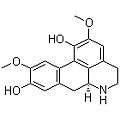
Synonyms: (+)-N-Norisoboldine; (+)-Laurelliptine; (S)-(+)-Laurelliptine
Norisoboldine, an alkaloid compound isolated from Radix Linderae, inhibits synovial angiogenesis in adjuvant-induced arthritis rats by moderating Notch1 pathway-related endothelial tip cell phenotype.
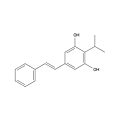
Synonyms: Benvitimod; WBI 1001; GSK2894512
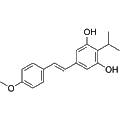
Tapinarof (Benvitimod; WBI 1001; GSK2894512) is a natural aryl hydrocarbon receptor (AhR) agonist with an EC50 of 13 nM.
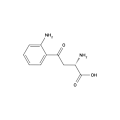
L-Kynurenine is a metabolite of the amino acid L-tryptophan. L-Kynurenine is an aryl hydrocarbon receptor agonist.
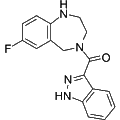
CAY 10465 is a selective and high-affinity AhR agonist, with a Ki of 0.2 nM, and shows no effect on estrogen receptor (Ki >100000 nM).
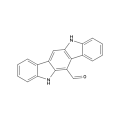
Synonyms: 6-Formylindolo[3,2-b]carbazole
FICZ is a potent aryl hydrocarbon receptor (AhR) agonist with a Kd of 70 pM.
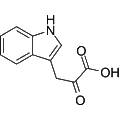
Indole-3-pyruvic acid is an orally active agonist of the aryl hydrocarbon receptor (AHR). This compound exhibits antioxidant properties and is valuable for research into inflammation and anxiety-related pathways. Its role as an AHR modulator makes it a significant tool for studying the physiological effects of this receptor in various biological contexts.
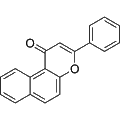
Synonyms: 5,6-Benzoflavone; beta-NF
β-Naphthoflavone is a potent aryl hydrocarbon receptor (AHR) agonist that modulates various biological processes, including cell proliferation, differentiation, apoptosis, and metabolism. This compound exhibits antioxidant activity, primarily by enhancing the function of antioxidant enzymes. As a non-carcinogenic CYP1A inducer, β-Naphthoflavone is valuable for investigating the mechanisms underlying aristolochic acid-induced renal injury and other related research applications.
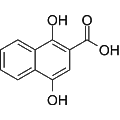
1,4-Dihydroxy-2-naphthoic acid is an agonist of the aryl hydrocarbon receptor (AhR). This compound exhibits significant anti-inflammatory activity and serves as a bacterially derived metabolite, making it of interest in studies related to immune modulation and inflammation. Its role in signaling pathways linked to AhR provides valuable insights for research in toxicology, pharmacology, and environmental health.
AHR Agonist 3 is a potent agonist of the aryl hydrocarbon receptor (AhR) that induces cell cycle arrest and apoptosis by activating tumor-suppressive transcriptional programs. It effectively inhibits the growth of stem cells in triple-negative breast cancer (TNBC) while demonstrating low cytotoxicity towards normal human primary cells. This compound is a valuable tool for cancer research, particularly in studies focused on TNBC and the mechanisms underlying AhR-mediated signaling pathways.
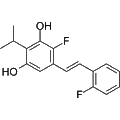
AHR Agonist 10 is a potent agonist of the aryl hydrocarbon receptor (AHR), exhibiting an EC50 of 2.01 nM. This compound significantly upregulates the expression of AHR downstream target genes, such as CYP1A1 and CYP1B1, while downregulating pro-inflammatory markers including CD36, IL-18, CCL5, CCL20, IL-6, and TNF-α. AHR Agonist 10 demonstrates low cytotoxicity (above 40 μM) in normal cells, making it suitable for use in psoriasis research and studies investigating AHR-dependent modulation of inflammatory responses.
Out of stock
All 3 sizes
PY109 is a highly selective aryl hydrocarbon receptor (AHR) agonist that exhibits oral bioactivity. It demonstrates potent efficacy with EC50 values of 1.2 nM in human HepG2 cells and 1.4 nM in mouse Hepa-1c1c7 cells. PY109 significantly enhances the expression of CYP1A1 and interleukin-22 (IL-22), while inhibiting interleukin-17A (IL-17A) expression. This compound has been shown to effectively improve colitis in murine models, making it a valuable tool for research focused on inflammatory bowel diseases.
Out of stock
All 3 sizes
MeBIO is a potent aryl hydrocarbon receptor (AhR) agonist, exhibiting an IC50 of 44 μM for GSK-3 and 55 μM for CDK1/cyclin B interactions. This compound is primarily utilized in research to explore the role of AhR signaling in various biological processes, such as immune response regulation and cellular differentiation. Researchers can employ MeBIO to investigate its effects in toxicology studies and the development of therapeutic strategies targeting AhR pathways.
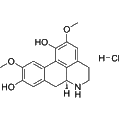
Synonyms: (+)-Laurelliptine hydrochloride
Norisoboldine hydrochloride is an orally active agonist of the aryl hydrocarbon receptor (AhR). This natural isoquinoline alkaloid, predominantly found in Radix Linderae, demonstrates significant biological activity relevant to inflammatory disorders. It is particularly valuable for research related to rheumatoid arthritis and ulcerative colitis.
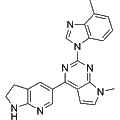
ZSTK3744 is an aryl hydrocarbon receptor (AhR) agonist that binds directly to AhR, leading to the upregulation of key target genes such as CYP1A1, CYP1B1, and TIPARP. This compound demonstrates notable cell growth inhibitory effects and induces apoptosis specifically in triple-negative breast cancer cells. Its anti-tumor properties make ZSTK3744 a valuable tool for investigating mechanisms underlying chemoresistance in triple-negative breast cancer.
Out of stock
All 3 sizes
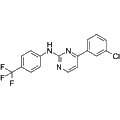
VAF347 is a highly selective aryl hydrocarbon receptor (AhR) agonist that effectively activates AhR signaling pathways. It has been shown to inhibit the differentiation of CD14+CD11b+ monocytes from granulo-monocytic precursors, demonstrating significant anti-inflammatory activity. VAF347 is utilized in research related to immune modulation and the study of inflammatory responses.
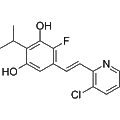
AhR Agonist 2 is a highly potent agonist of the aryl hydrocarbon receptor (AhR), exhibiting an EC50 of 0.03 nM. This compound facilitates the nuclear translocation of AhR, leading to the activation of downstream gene transcription and enhancement of skin barrier repair mechanisms. AhR Agonist 2 is valuable for research applications focused on skin conditions, particularly psoriasis.
Indolokine A5 is a potent AhR (Aryl hydrocarbon receptor) agonist that plays a significant role in various biological processes. This compound is of particular interest in research applications involving immunology, toxicology, and cancer biology, where AhR activation may influence cellular responses and signaling pathways. Its ability to modulate AhR activity makes Indolokine A5 a valuable tool for studying the effects of environmental contaminants and endogenous ligands on cellular function.
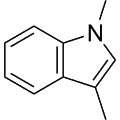
N-Methylscatole is an aryl hydrocarbon receptor (AhR) agonist known for its ability to activate this important transcription factor. It exhibits weak agonistic activity and no significant antagonistic properties. This compound can be utilized in research involving AhR-mediated pathways and the study of environmental chemicals affecting biological systems.
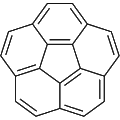
Corannulene is an agonist of the aryl hydrocarbon receptor (AhR), known for its ability to modulate cellular signaling pathways. This compound exhibits reduced cytotoxicity compared to Benzo[a]pyrene in hepatoma cells, making it a valuable tool in cancer research. Corannulene's unique properties may facilitate the exploration of AhR-related mechanisms in tumor biology and therapeutic interventions.
AhR Agonist 8 is a potent agonist of the Aryl Hydrocarbon Receptor (AhR) with an EC50 value of 0.154 nM. This compound serves as a valuable tool for investigating the biological processes linked to psoriasis and atopic dermatitis. Its high affinity and specificity make AhR Agonist 8 suitable for research applications targeting immune modulation and skin-related disorders.
Out of stock
All 3 sizes
AhR Agonist 6 is a potent agonist for the aryl hydrocarbon receptor (AhR), exhibiting an EC50 of 0.01 nM. This compound effectively activates AhR signaling pathways, making it valuable for investigating the receptor's role in toxicology, immune response, and cellular differentiation processes. Its high potency allows for precise modulation of AhR-related biological activities in various research applications.
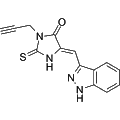
AHR Agonist 4 is a selective agonist of the Aryl Hydrocarbon Receptor (AHR), which plays a crucial role in regulating the immune balance between Th17/22 and Treg cells. This compound has shown potential in alleviating psoriasis-like skin lesions induced by imiquimod, positioning it as a promising candidate for the development of anti-psoriasis therapies. Additionally, AHR Agonist 4 features an alkyne group, enabling its application in click chemistry through copper-catalyzed azide-alkyne cycloaddition (CuAAc) with azide-containing molecules.
Out of stock
All 3 sizes
AhR agonist 7 is a potent agonist of the aryl hydrocarbon receptor (AhR), exhibiting an EC50 value of 13 nM. This compound effectively activates AhR signaling pathways, making it valuable for research into toxicology, immunology, and cancer biology. AhR agonist 7 can be utilized to study the effects of AhR activation on gene expression and cellular responses.
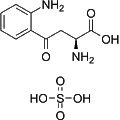
L-Kynurenine sulfate is an aryl hydrocarbon receptor (AHR) agonist that promotes AHR-mediated signaling pathways. It has been shown to stimulate the polarization of naive T cells towards the anti-inflammatory regulatory T cell (Treg) phenotype, enhancing immune tolerance mechanisms. This compound is valuable for research focused on immunology, inflammation, and therapeutic approaches in autoimmune diseases.