Endogenous Metabolite

Endogenous metabolites are small molecules made by the body's own metabolism, such as amino acids and steroids. They are used as metabolomics standards, as enzyme substrates and as tools to probe how metabolic pathways are regulated. L-Citrulline, an intermediate of the urea cycle, is also formed when nitric oxide synthase produces nitric oxide. 17-Hydroxyprogesterone is a steroid intermediate on the route to cortisol. Prostaglandin E1 represents the eicosanoids, a group of lipid mediators derived from fatty acids. Nicotinamide riboside chloride is a precursor of nicotinamide adenine dinucleotide (NAD+), the cofactor used by sirtuins.

Items 1-25 of 50

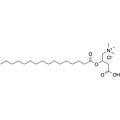
  • Palmitoylcarnitine chloride
    Cat. No.
    A12763

    Palmitoylcarnitine chloride

    Palmitoylcarnitine chloride is a fatty acid-derived mitochondrial substrate, and selectively decreases cell survival in colorectal and prostate cancer cells by affecting on pro-inflammatory pathways, Ca2+ influx, and DHT-like effects.

    1 mg
    $30.00
    5 mg
    $65.00
    All 8 sizes
  • 1-Hexadecanol
    Cat. No.
    A16567

    1-Hexadecanol

    Synonyms: Palmityl alcohol

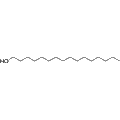
    1-Hexadecanol is a fatty alcohol that acts as a lipophilic substrate, primarily serving as an endogenous metabolite. This compound is valuable in research on ferroptosis, providing insights into lipid metabolism and cellular oxidative stress. Its applications extend to studies exploring the mechanisms underlying cell death pathways and the role of lipid peroxidation.

    5 g
    $20.00
    10 g
    $25.00
    All 5 sizes
  • L-Lactic acid
    Cat. No.
    A17839

    L-Lactic acid

    Synonyms: Paralactic acid; L-(+)-Lactic acid; PH 90; Sarcolactic acid; Sarcolacticum acidum; Tisulac; BRN 1720251

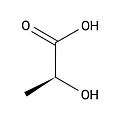
    L-Lactic acid is used as a substrate for lactic acid dehydrogenase and lactate oxidase.

    500 mg
    $35.00
    1 g
    $40.00
    All 3 sizes
  • β-cyano-L-Alanine
    Cat. No.
    A18516

    β-cyano-L-Alanine

    Synonyms: Beta-cyano-l-alanine

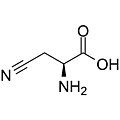
    β-cyano-L-Alanine (Beta-cyano-l-alanine), a nitrile of widespread occurrence in higher plants, is enzymatically produced by cyanoalanine synthase from cyanide and cysteine as substrates. β-cyano-L-Alanine abolishes the protective effect of ethanol on cerebral ischemia/reperfusion (I/R) injury.

    5 mg
    $20.00
    10 mg
    $35.00
    All 4 sizes
  • Hydroxypyruvic acid
    Cat. No.
    A18984

    Hydroxypyruvic acid

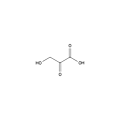
    Hydroxypyruvic acid is an intermediate in the metabolism of Glycine, serine and threonine. It is a substrate for Serine--pyruvate aminotransferase and Glyoxylate reductase/hydroxypyruvate reductase.

    1 mg
    $175.00
    5 mg
    $245.00
    All 5 sizes
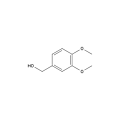
  • Veratryl alcohol
    Cat. No.
    A19553

    Veratryl alcohol

    Synonyms: 3,4-Dimethoxybenzyl alcohol

    Veratryl alcohol (3,4-Dimethoxybenzenemethanol), a secondary metabolite of some lignin degrading fungi, is commonly used nonphenolic substrate for assaying ligninolytic activity.

    100 mg
    $35.00
    500 mg
    $130.00
    All 3 sizes
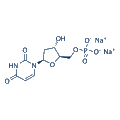
  • 2'-Deoxyuridine 5'-monophosphate disodium salt
    Cat. No.
    A22446

    2'-Deoxyuridine 5'-monophosphate disodium salt

    2'-Deoxyuridine 5'-monophosphate disodium salt (dUMP) is a substrate for thymidylate synthase and is converted to deoxythymidine monophosphate (dTMP). The inhibition of dUMP to dTMP at the methylation step is a key in controlling bacterial and eukaryotic cell growth.

    50 mg
    $20.00
    100 mg
    $35.00
    All 4 sizes
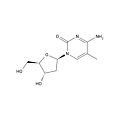
  • 5-Methyl-2'-deoxycytidine
    Cat. No.
    A24363

    5-Methyl-2'-deoxycytidine

    5-Methyl-2'-deoxycytidine (5mdC) is an endogenous substrate of DNA methyltransferases, including mammalian 5-C-MTase, and binds to DNA in a manner dependent on DNA stem-loop structure formation. It directs de novo DNA methylation by serving as a methylation mark, promoting methylation of adjacent CpG sites in single-stranded DNA via cis-acting mechanisms. 5mdC regulates DNA methylation patterns by recruiting methyltransferases to specific chromatin regions, influencing chromatin condensation and gene expression. In plant cells, its distribution correlates with cell proliferation and differentiation stages, with lower methylation levels in proliferating cells and higher levels in differentiated cells.

    100 mg
    $23.00
    500 mg
    $68.00
    All 2 sizes
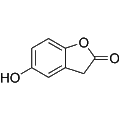
  • Homogentisic acid lactone
    Cat. No.
    A28233

    Homogentisic acid lactone

    Homogentisic acid lactone is a fungal metabolite that exhibits significant fungicidal activity, notably against the plant pathogenic fungus Fusarium graminearum. This compound is derived from the fungus WF5 and serves as a valuable substrate for assessing serum paraoxonase/arylesterase 1 (PON1) activity in biochemical research. Its unique mode of action and biological properties make it an important tool in studies related to fungal pathogenesis and enzyme activity assessment.

    100 mg
    $20.00
    250 mg
    $25.00
    All 5 sizes
  • N1-Acetylspermidine hydrochloride
    Cat. No.
    A30061

    N1-Acetylspermidine hydrochloride

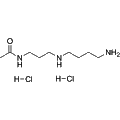
    N1-Acetylspermidine hydrochloride is an acetyl derivative of polyamines, serving as a substrate for polyamine oxidase (PAO). It has been shown to promote apoptosis, particularly in conjunction with procyanidins, and demonstrates cleavage efficiency at apurinic sites in DNA. This compound has valuable applications in colorectal cancer research, facilitating investigations into polyamine metabolism and its implications in tumorigenesis.

    1 mg
    $65.00
    5 mg
    $160.00
    All 7 sizes
  • p-Nitrophenyl phosphorylcholine
    Cat. No.
    A44522

    p-Nitrophenyl phosphorylcholine

    Synonyms: 4-Nitrophenylphosphorylcholine; O-(4-Nitrophenylphosphoryl)choline

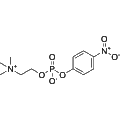
    p-Nitrophenyl phosphorylcholine serves as a chromogenic substrate for assessing phospholipase C (PLC) activity. The hydrolysis of this compound by PLC yields p-nitrophenol, which can be quantified spectrophotometrically at 405 nm, under optimal conditions of pH 7.2-7.5. This reagent is valuable for studies involving lipid signaling pathways and enzyme kinetics in biochemical research.

    25 mg
    $30.00
    50 mg
    $50.00
    All 4 sizes
  • N-Decanoyl p-Nitroaniline
    Cat. No.
    A44535

    N-Decanoyl p-Nitroaniline

    Synonyms: DepNA

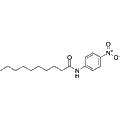
    N-Decanoyl p-Nitroaniline is a substrate for fatty acid amide hydrolase (FAAH), enabling the quantification of this enzyme's activity. FAAH, which exhibits broad substrate specificity, hydrolyzes various fatty acid amides, including those with shorter carbon chains. Upon hydrolysis of N-Decanoyl p-Nitroaniline, the release of the chromogenic p-nitroaniline dye allows for sensitive and rapid assessment of FAAH activity via spectrophotometric analysis in a 96-well format. This compound is useful for research involving endocannabinoid signaling and metabolic regulation.

    5 mg
    $30.00
    10 mg
    $55.00
    All 4 sizes
  • Estradiol 3-glucuronide
    Cat. No.
    A65937

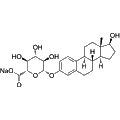
    Estradiol 3-glucuronide

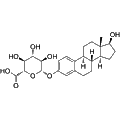
    Estradiol 3-glucuronide is a glucuronide conjugate and an important metabolite of estradiol, synthesized through the action of uridine diphosphate glucuronosyltransferases primarily in the liver. This compound serves as a potent substrate for MRP2, exhibiting an S50 value of 55.7 μM. Estradiol 3-glucuronide plays a crucial role in hepatobiliary transport mechanisms, involving basolateral uptake via OATP1B1, OATP1B3, and OATP2B1, along with apical efflux through MRP2 and BCRP. Its study is significant in understanding estrogen metabolism and transport in hepatic tissues.

    0.5 mg
    $175.00
    1 mg
    $280.00
    All 2 sizes
  • Estradiol 3-glucuronide sodium
    Cat. No.
    A65940

    Estradiol 3-glucuronide sodium

    Estradiol 3-glucuronide sodium is an estrogen metabolite that serves as a glucuronide conjugate, formed in tissues like the liver through the action of uridine diphosphate glucuronosyltransferase. It acts as a potent substrate for the multidrug resistance protein 2 (Mrp2), with an S50 value of 55.7 μM. This compound plays a critical role in hepatobiliary transport, utilizing basolateral uptake via organic anion-transporting polypeptides OATP1B1, OATP1B3, and OATP2B1, as well as apical efflux through MRP2 and breast cancer resistance protein (BCRP). Its applications extend to studies on estrogen metabolism and transport mechanisms in liver physiology.

    1 mg
    $190.00
    5 mg
    $490.00
    All 2 sizes
  • Dipropyl disulfide
    Cat. No.
    A69753

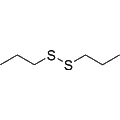
    Dipropyl disulfide

    Synonyms: Propyl Disulfide; DPDS

    Dipropyl disulfide serves as a substrate for flavin-containing monooxygenases (FMO) and cytochrome P450 enzymes (CYPs) in the oxidative formation of dipropyl thiosulfinate (DPDSO) via rat microsomes. This compound is metabolized to key metabolites, including propylglutathione sulfide conjugate and propylthiol, making it valuable for exploring mechanisms of sulfur metabolism and detoxification pathways. Its applications extend to research in drug metabolism and the study of endogenous metabolites in various biological systems.

    1 g
    $20.00
    5 g
    $30.00
    All 2 sizes
  • 4-Hydroxyphenylpyruvic acid
    Cat. No.
    A70532

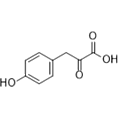
    4-Hydroxyphenylpyruvic acid

    4-Hydroxyphenylpyruvic acid is an endogenous metabolite involved in the metabolic pathway of phenylalanine. It serves as a substrate for the enzyme 4-hydroxyphenylpyruvic acid dioxygenase (HPPA), which plays a critical role in amino acid catabolism. This compound is valuable for investigating HPD-related disorders, including type III tyrosinemia and hawkinsinuria, providing insights into their biochemical mechanisms and potential therapeutic approaches.

    50 mg
    $30.00
    100 mg
    $40.00
    All 4 sizes
  • Adenosine 5′-diphosphoribose
    Cat. No.
    A71162

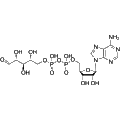
    Adenosine 5′-diphosphoribose

    Synonyms: ADP ribose

    Adenosine 5′-diphosphoribose (ADP ribose) is an endogenous metabolite that plays a critical role in cellular signaling and regulation. It is primarily involved in the cellular response to DNA damage and the modulation of gene expression. ADP ribose serves as a substrate for poly(ADP-ribose) polymerases and is integral to various biological processes, including cell repair and apoptosis. This compound is valuable for research applications related to DNA damage response and chromatin remodeling.

    1 mg
    $30.00
    5 mg
    $40.00
    All 6 sizes
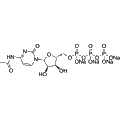
  • N4-Acetylcytidine triphosphate sodium
    Cat. No.
    A71181

    N4-Acetylcytidine triphosphate sodium

    Synonyms: ac4CTP sodium

    N4-Acetylcytidine triphosphate sodium is a nucleoside metabolite that serves as a highly effective substrate for T7 Polymerase in in vitro transcription processes. It can be seamlessly incorporated into various RNA templates, enabling the study of RNA synthesis and the functional characterization of nucleic acids. This reagent is essential for research applications involving gene expression analyses and RNA transcript engineering.

    1 mg
    $255.00
    5 mg
    $400.00
    All 5 sizes
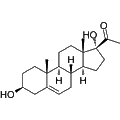
  • 17a-Hydroxypregnenolone
    Cat. No.
    A71184

    17a-Hydroxypregnenolone

    Synonyms: 17-OHP5

    17a-Hydroxypregnenolone is an endogenous metabolite that serves as a precursor in the biosynthesis of Dehydroepiandrosterone (DHEA). It acts as a substrate for the enzyme 3β-hydroxysteroid dehydrogenase (3β-HSD), playing a critical role in steroidogenesis. This compound is valuable in research on adrenal steroid production and associated hormonal pathways.

    5 mg
    $20.00
    50 mg
    $25.00
    All 3 sizes
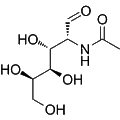
  • D-N-Acetylgalactosamine
    Cat. No.
    A71197

    D-N-Acetylgalactosamine

    D-N-Acetylgalactosamine is an endogenous metabolite involved in various biological processes, including glycosylation and cell signaling. It serves as a substrate for the synthesis of glycoproteins and glycolipids, influencing cellular functions and interactions. This compound is valuable for research in carbohydrate biochemistry, cellular metabolism, and the study of glycan-related diseases.

    50 mg
    $25.00
    100 mg
    $35.00
    All 4 sizes
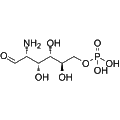
  • D-Glucosamine 6-phosphate
    Cat. No.
    A71266

    D-Glucosamine 6-phosphate

    Synonyms: Glucosamine-6-phosphate; D-GlcN-6-P

    D-Glucosamine 6-phosphate is an endogenous metabolite primarily involved in carbohydrate metabolism. It serves as a critical substrate in the hexosamine biosynthetic pathway and plays a role in the regulation of gene expression and cellular signaling. This compound is particularly relevant in diabetic research, providing insights into metabolic dysregulation associated with diabetes mellitus.

    5 mg
    $25.00
    10 mg
    $35.00
    All 5 sizes
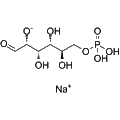
  • D-Glucose 6-phosphate sodium
    Cat. No.
    A71452

    D-Glucose 6-phosphate sodium

    D-Glucose 6-phosphate sodium acts as a critical endogenous metabolite involved in key biochemical pathways, including glycolysis and the pentose phosphate pathway. This compound serves as a primary substrate for various enzymatic reactions and plays an essential role in cellular energy metabolism and regulation. D-Glucose 6-phosphate sodium is widely utilized in research applications focusing on metabolism, enzymology, and cellular signaling pathways.

    50 mg
    $25.00
    100 mg
    $35.00
    All 7 sizes
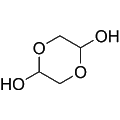
  • 1,4-Dioxane-2,5-diol
    Cat. No.
    A71501

    1,4-Dioxane-2,5-diol

    Synonyms: Hydroxy Acetaldehyde

    1,4-Dioxane-2,5-diol is an endogenous metabolite involved in various biochemical pathways. It serves as a substrate in the biosynthesis of important cellular components and is relevant in studies examining metabolic processes. This compound is utilized in research focusing on metabolic profiling and the exploration of metabolic disorders.

    100 mg
    $20.00
    500 mg
    $25.00
    All 6 sizes
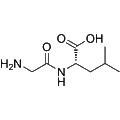
  • Glycyl-L-leucine
    Cat. No.
    A71594

    Glycyl-L-leucine

    Glycyl-L-leucine is a dipeptide that serves as a substrate for glycyl-leucine dipeptidase, an enzyme involved in peptide metabolism. This compound plays a role in regulating amino acid availability and has implications in studying metabolic pathways and protein digestion. It is particularly useful in research applications focusing on enzymatic activity and peptide processing.

    200 mg
    $20.00
    500 mg
    $25.00
    All 8 sizes
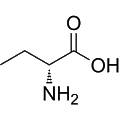
  • D(-)-2-Aminobutyric acid
    Cat. No.
    A71702

    D(-)-2-Aminobutyric acid

    D(-)-2-Aminobutyric acid is an endogenous metabolite that serves as a substrate for D-amino acid oxidase. This compound is involved in various metabolic pathways and has been studied for its potential roles in neurological functions and disorders. Its application in research includes investigations into metabolic processes and the modulation of neurotransmitter activity.

    1 g
    $20.00
    5 g
    $30.00
    All 6 sizes

Items 1-25 of 50

Added to your cart

View Cart Checkout

    Loading...