- Cat. No.
- A11206
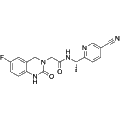
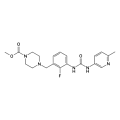
Omecamtiv mecarbil (CK-1827452)
Synonyms: CK1827452
CK-1827452 is a selective cardiac specific myosin activator.
Search by product name, CAS, target or catalog number. Press Down Arrow to reach product suggestions, Tab to move between links, and Escape to close suggestions.
Myosin inhibitors and activators act on the actin-based motor proteins of muscle and non-muscle cells. Myosins hydrolyze adenosine triphosphate (ATP) and convert that chemical energy into movement along actin filaments. Blebbistatin was introduced in 2003 as a selective inhibitor of non-muscle myosin II and is used to study cytokinesis and cortical tension. The catalogue lists it as (-)-Blebbistcitin together with para-Nitroblebbistatin, a photostable analog suited to imaging experiments. Omecamtiv mecarbil works in the opposite direction and accelerates the cardiac myosin ATPase cycle. ML 7 hydrochloride and ML-9 hydrochloride act upstream on myosin light chain kinase, as does the neighboring MLCK category.
Synonyms: CK1827452
CK-1827452 is a selective cardiac specific myosin activator.
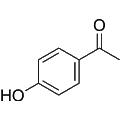
Synonyms: P-hydroxyacetophenone
4-Hydroxyacetophenone is a potent myosin activator that has demonstrated hepatoprotective and choleretic properties. This compound exhibits antiviral and anti-inflammatory activities, particularly against hepatitis B virus, and is known to inhibit cancer cell adhesion, invasion, and migration through actin remodeling. Its diverse biological activities make 4-Hydroxyacetophenone a valuable reagent for research in inflammatory diseases and cancer studies.
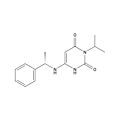
Synonyms: MYK461; SAR439152
Mavacamten is a modulator of cardiac myosin, with IC50s of 490, 711 nM for bovine cardiac and human cardiac, respectively.
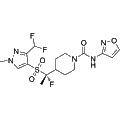
Synonyms: MYK-491
Danicamtiv is a selective allosteric activator of cardiac myosin, serving as a cardiac inotropic agent. It enhances cardiac systolic function while maintaining mechanical efficiency, making it a valuable tool for research on heart failure and myocardial contractility. This compound is instrumental in studying the modulation of cardiac contractile function and understanding its implications in cardiovascular diseases.
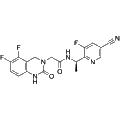
Myosin Modulator 1 is a selective modulator of myosin that inhibits ATPase activity in rabbit psoas, porcine atrial, and porcine ventricular tissues, exhibiting IC25 values of 0.42, 0.13, and 3.09 μM, respectively. This compound plays a significant role in regulating systolic cardiac performance, making it a valuable tool for research in cardiac physiology and myosin-related studies.
Myosin Modulator 2 (Compound B172) is a modulator of myosin that selectively inhibits ATPase activity in rabbit psoas muscle, porcine atria, and porcine ventricles, with IC25 values of 2.013 μM, 2.94 μM, and 20.93 μM, respectively. This compound demonstrates significant regulation of systolic cardiac performance in Sprague Dawley rats, making it a valuable tool in cardiac physiology research and drug development studies focusing on muscle contractility and cardiovascular function.