
- Cat. No.
- A17014
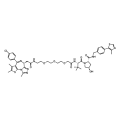
MZ1
MZ1 is a potent inducer of reversible, long-lasting and selective removal of BRD4 over BRD2 and BRD3.
In stock
View Details
Search by product name, CAS, target or catalog number. Press Down Arrow to reach product suggestions, Tab to move between links, and Escape to close suggestions.
Epigenetic reader domain inhibitors, mostly bromodomain inhibitors, block recognition of acetylated histone lysines. Structural work on a histone acetyltransferase bromodomain first showed that this module binds acetylated lysine. Proteins of the bromodomain and extra-terminal (BET) family, such as bromodomain-containing protein 4 (BRD4), link histone acetylation to gene transcription. The thienodiazepine (+)-JQ1 was described in 2010 as a selective BET inhibitor that displaces BRD4 from chromatin. PFI-1, GSK1324726A and CPI-203 provide further BET inhibitor chemotypes for comparative studies. Other entries reach beyond BET binding, such as SGC-CBP30 for a non-BET bromodomain and the BRD4-degrading compound ARV-825.
MZ1 is a potent inducer of reversible, long-lasting and selective removal of BRD4 over BRD2 and BRD3.
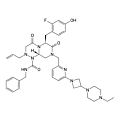
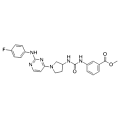
GSK1379725A is a selective BPTF ligand with a Kd of 2.8 uM, showing no binding activity for Brd4.
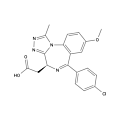
Synonyms: Molibresib carboxylic acid; GSK525762A carboxylic acid; GSK 525762A; PROTAC BRD4-binding moiety 2; IBET762
I-BET762 carboxylic acid (Molibresib carboxylic acid) is an I-BET762-based warhead ligand for conjugation reactions of PROTAC targeting on BET. I-BET762 carboxylic acid (Molibresib carboxylic acid) is a BRD4 inhibitor with a pIC50 of 5.1.
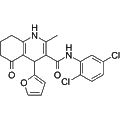
AR420626 is a selective agonist of free fatty acid receptor 3 (FFAR3, also known as GPR41), with an IC₅₀ of 117 nM. It demonstrates anti-inflammatory, antitumor, and antidiabetic activities. AR420626 improves neurogenic diarrhea by modulating neural pathways mediated by nicotinic acetylcholine receptors (nAChRs). In cancer models, it suppresses the growth of HepG2 xenografts and inhibits hepatoma cell proliferation through apoptosis induction. Additionally, AR420626 mitigates allergic asthma and eczema and enhances glucose uptake by activating FFAR3-mediated Ca²⁺ signaling, offering potential therapeutic benefits in metabolic disorders such as diabetes.
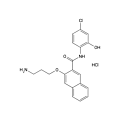
653-47 hydrochloride is a potentiator that significantly enhances the CREB (cAMP-response element-binding protein) inhibitory activity of 666-15. It also functions as a very weak CREB inhibitor on its own, with an IC₅₀ of 26.3 μM.
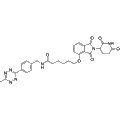
Tz-Thalidomide is a tetrazine-tagged thalidomide derivative that functions as a ligand for E3 ligases. It exhibits binding affinity for BRD4, with IC₅₀ values of 46.25 μM for BRD4-1 and 62.55 μM for BRD4-2. As a click chemistry reagent, Tz-Thalidomide contains a tetrazine moiety capable of undergoing inverse electron demand Diels–Alder (iEDDA) reactions with trans-cyclooctene (TCO)-containing molecules, enabling bioorthogonal labeling and conjugation applications.
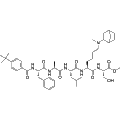
UNC4976 is a positive allosteric modulator of the CBX7 chromodomain, targeting nucleic acid binding. It functions by antagonizing the H3K27me3-specific recruitment of CBX7 to target genes while enhancing non-specific binding to DNA and RNA. This compound is valuable for research focused on chromatin regulation and the epigenetic mechanisms involved in gene expression.
Out of stock
All 3 sizes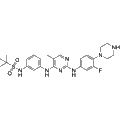
FLT3/JAK2/BRD4 ligand-1 is a specific ligand for the FLT3, JAK2, and BRD4 proteins. This compound facilitates the design and synthesis of proteolysis-targeting chimeras (PROTACs), specifically PROTAC FLT3/JAK2/BRD4 Degrader-1. It demonstrates potential applications in targeted protein degradation and cancer research, enabling innovative therapeutic strategies against malignancies associated with these targets.
Out of stock
All 3 sizes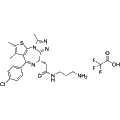
BRD4 ligand 6 TFA is the trifluoroacetic acid (TFA) salt form of a potent BRD4 ligand, specifically designed for investigating the bromodomain and extraterminal (BET) family of proteins. This compound serves as a valuable building block for the synthesis of targeted protein degraders, including BRD4 PROTACs like PROTAC BRD4 Degrader-26. It is instrumental in research related to epigenetic regulation and cancer biology.
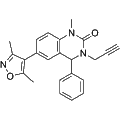
PROTAC BRD4-binding moiety 1 is a ligand specifically designed to target BRD4 for degradation. This compound facilitates the formation of a PROTAC by linking to a cereblon ligand, effectively promoting the degradation of BRD4 through the cellular ubiquitin-proteasome pathway. Additionally, it contains an alkyne group, enabling it to participate in copper-catalyzed azide-alkyne cycloaddition (CuAAc) reactions, making it a versatile reagent for click chemistry applications in chemical biology research.
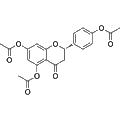
Naringenin triacetate is a flavonoid compound that serves as a potent binder to the bromodomain protein BRD4, specifically targeting its first bromodomain (BRD4 BD1). This compound demonstrates strong binding affinity as evidenced by multiple crystal structure analyses. Due to its ability to modulate BRD4 activity, Naringenin triacetate is valuable for research applications focused on epigenetic regulation, cancer therapy, and various signaling pathways.
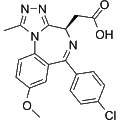
Synonyms: (R)-Molibresib carboxylic acid; (R)-GSK525762A carboxylic acid; (R)-PROTAC BRD4-binding moiety 2
(R)-I-BET762 carboxylic acid is the R-enantiomer of the I-BET762 carboxylic acid compound. This molecule acts as a ligand for conjugation reactions in proteolysis-targeting chimeras (PROTACs) aimed at bromodomain and extra-terminal (BET) proteins. It exhibits significant inhibitory activity against BRD4, with a pIC50 value of 5.1, making it a valuable tool for studies investigating BET-related pathways in cancer and other diseases.
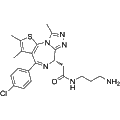
BRD4 ligand 6 is a selective BRD4 ligand that plays a crucial role in the development of BRD4-targeted PROTACs. It serves as a key building block for synthesizing PROTAC BRD4 Degrader-26, contributing to the advancement of research in targeted protein degradation and cancer therapies. This compound facilitates investigations into the inhibition of BRD4-related pathways, supporting studies focused on gene expression modulation and therapeutic interventions in oncological contexts.
Out of stock
All 3 sizes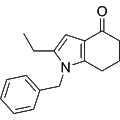
BRD4 Inhibitor-13 is a selective ligand targeting the bromodomain-containing protein 4 (BRD4). It exhibits potent inhibitory activity against BRD4, making it a valuable tool for investigating its role in cancer and inflammation. This compound is of particular interest in research focused on epigenetic regulation and potential therapeutic strategies for various diseases.
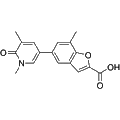
PROTAC BRD4 ligand-4 serves as a ligand for the bromodomain-containing protein BRD4. It is utilized in the synthesis of PROTAC BRD4 Degrader-37, facilitating targeted protein degradation. This compound is valuable in research applications focused on modulating gene expression and studying the role of BRD4 in various biological processes, including cancer progression and inflammation.
Out of stock
All 3 sizes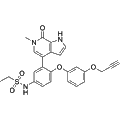
BRD3 ligand-1 is a selective ligand for BRD3, facilitating targeted protein degradation through the development of PROTACs. Its primary application lies in the synthesis of PROTAC BRD3 degrader-1, which is instrumental in the exploration of BRD3's biological functions and its role in various diseases. This compound is valuable for researchers investigating novel therapeutic strategies targeting the BRD3 pathway.
Out of stock
All 3 sizes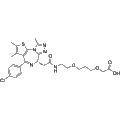
CPI-203-PEG1-C3-O-COOH is a BRD4 ligand-linker conjugate, designed to facilitate the synthesis of PROTAC (proteolysis-targeting chimera) molecules, specifically the BRD4 degrader ARV-771. This compound serves as a crucial component in targeted protein degradation research, enabling the selective modulation of BRD4 protein levels and aiding in the understanding of its biological functions. Its application is significant in therapeutic development for diseases associated with dysregulated BRD4 activity.
Out of stock
All 3 sizes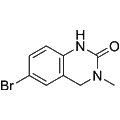
BRD4 Inhibitor-12 is a selective ligand for the bromodomain-containing protein 4 (BRD4). It exhibits potent inhibitory activity, making it a valuable tool for investigating the role of BRD4 in cancer and inflammatory pathways. This compound facilitates research into the modulation of gene expression and potential therapeutic interventions in various diseases associated with aberrant BRD4 activity.
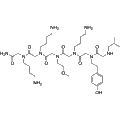
DC-peptoid-1 is a selective binder targeting the phosphorylated Brd4 PDID domain, exhibiting a dissociation constant (Kd) of approximately 50-100 μM for human-derived substrates. This reagent specifically binds to phosphorylated PDID, showing no affinity for the non-phosphorylated variant or unrelated domains. Capable of crosslinking with its target in both solution and cell lysates, DC-peptoid-1 can efficiently capture phosphorylated PDID from complex biological samples through immobilization, while avoiding interactions with non-phosphorylated proteins or phosphoproteins from bacterial origins. Its unique selectivity positions DC-peptoid-1 as a potential alternative to phosphoprotein-specific antibodies in applications such as immunoaffinity purification.
Out of stock
All 3 sizes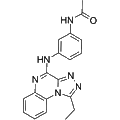
PROTAC BRD9-binding moiety 5 functions as a selective binder to the BRD9 protein, exhibiting an IC50 value of 4.20 μM. This compound is suitable for the synthesis of PROTACs, which target BRD9 for degradation. Additionally, PROTAC BRD9-binding moiety 5 demonstrates antiproliferative activity against various cancer cell lines, making it a valuable tool in cancer research and drug development.
Out of stock
All 3 sizes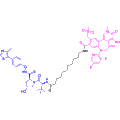
PROTAC BRD4 Degrader-3 is a targeted protein degradation compound that operates through the recruitment of von Hippel-Lindau (VHL) ligands to promote the ubiquitination and subsequent proteasomal degradation of the BRD4 protein. This compound demonstrates significant efficacy in downregulating BRD4, a key regulator in various cancers and inflammatory diseases. Research applications for PROTAC BRD4 Degrader-3 include the investigation of therapeutic strategies for cancer treatment and exploring the role of BRD4 in gene expression and signaling pathways.
Out of stock
All 3 sizes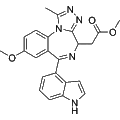
TC AC 28 is a high-affinity ligand for bromodomain and extraterminal (BET) proteins, demonstrating Kd values of 40 nM for Brd2(2) and 800 nM for Brd2(1). This compound exhibits significant biological activity in regulating gene expression through the modulation of acetylated lysine recognition. TC AC 28 is applicable in research focusing on cancer, inflammation, and other diseases associated with BET protein function.
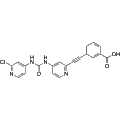
SMARCA2/4-ligand-5 is a selective ligand targeting the SMARCA2 and SMARCA4 proteins, functioning as a crucial component in the PROTAC SMARCA2/4 degrader-37. This compound demonstrates potent biological activity, achieving an IC50 of ≤0.1 μM, making it suitable for applications in targeted protein degradation studies. Research utilizing SMARCA2/4-ligand-5 contributes to understanding the roles of these chromatin remodelers in various biological processes and cancer biology.
Out of stock
All 3 sizes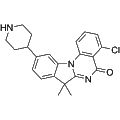
SMARCA2 ligand-11 is a specific ligand for the chromatin remodeling factor SMARCA2, facilitating the development of PROTACs such as SMARCA2 degrader-32. This compound is instrumental in research applications focused on targeted protein degradation, particularly in studies aimed at elucidating the role of SMARCA2 in various biological processes and diseases. Its ability to selectively engage with SMARCA2 allows for investigations into novel therapeutic strategies in cancer and other conditions where SMARCA2 activity is implicated.
Out of stock
All 3 sizes