
-
-
- Cat. No.
- A14475
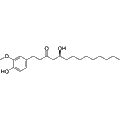
10-Gingerol
10-Gingerol is an AMPK agonist derived from ginger oleoresin, exhibiting notable anti-inflammatory, antioxidant, and anti-proliferative properties. It effectively suppresses neointimal hyperplasia and inhibits the proliferation of vascular smooth muscle cells. Demonstrating significant radical scavenging activities, 10-Gingerol has IC50 values of 10.47 μM against DPPH, 1.68 μM against superoxide, and 1.35 μM against hydroxyl radicals. This compound also inhibits MDA-MB-231 tumor cell line proliferation with an IC50 of 12.1 μM, while targeting the PI3K/Akt signaling pathway to suppress proliferation, migration, invasion, and promote apoptosis. It holds potential for research applications in ulcerative colitis.
In stock View Details -
- Cat. No.
- A24158
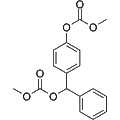
ACA-28
ACA-28 (compound 2a) is a potent modulator of the ERK MAPK signaling pathway that exerts anticancer effects through a unique mechanism involving ERK hyperactivation. Rather than inhibiting ERK activity directly, ACA-28 induces sustained ERK activation, which paradoxically triggers apoptosis in cancer cells. It demonstrates selective cytotoxicity, inhibiting the growth of melanoma cells (SK-MEL-28) with an IC₅₀ of 5.3 μM, while showing lower toxicity toward normal human melanocytes (NHEM), with an IC₅₀ of 10.1 μM. ACA-28's ability to exploit ERK signaling dysregulation for selective induction of apoptosis makes it a promising candidate for further development in cancer therapy, particularly in ERK-dependent malignancies.
In stock View Details -
- Cat. No.
- A24555
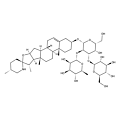
Solasonine
Solasonine is a naturally occurring steroidal glycoalkaloid isolated from *Solanum melongena* (eggplant), known for its anti-infective, anticancer, and neurogenesis-promoting properties. It acts as a ferroptosis inducer by disrupting the glutathione redox system through inhibition of glutathione peroxidase 4 (GPX4). By promoting ferroptotic cell death in hepatocellular carcinoma (HCC) cells, Solasonine serves as a valuable compound for investigating ferroptosis mechanisms and developing novel anticancer strategies.
In stock View Details -
- Cat. No.
- A25848
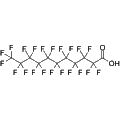
Perfluoroundecanoic acid
Perfluoroundecanoic acid is an oxidative stress inducer that targets various cellular pathways. It has been shown to promote macrophage M2 polarization and activate the Wnt/β-catenin signaling cascade, leading to enhanced nuclear accumulation of β-catenin. Research indicates that perfluoroundecanoic acid can accelerate tumor progression, induce DNA damage, and contribute to reproductive and pathophysiological dysfunctions in male models. Additionally, it plays a role in the development of insulitis in type 1 diabetes models and inhibits Leydig cell development in pubertal male rats, making it valuable for studies in ovarian cancer, type 1 diabetes, and inflammation.
In stock View Details -
- Cat. No.
- A26969
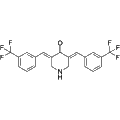
ROS-generating agent 1
ROS-generating agent 1 is a potent reactive oxygen species (ROS) inducer that covalently modifies the Sec-498 residue of thioredoxin reductase (TrxR), leading to an increase in intracellular ROS levels. This compound effectively reduces TrxR protein levels, initiating ROS-dependent apoptosis and ferroptosis in NCI-H460 cancer cells. Due to its ability to induce oxidative stress, ROS-generating agent 1 serves as a valuable tool for cancer research and therapeutic studies targeting oxidative damage mechanisms.
In stock View Details -
- Cat. No.
- A27078
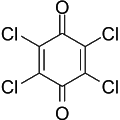
Chloranil
Synonyms: Tetrachloro-p-benzoquinone; TCBQ
Chloranil (Tetrachloro-p-benzoquinone) functions as a reactive oxygen species (ROS) inducer, playing a significant role in research focused on oxidative stress. It is known to promote the formation of neutrophil extracellular traps via the ROS-JNK-NOX2 signaling pathway. Additionally, Chloranil has been shown to induce ferroptosis and neuroinflammation, as well as triggering apoptosis in mouse embryonic stem cells. Its multifaceted biological activities make it a valuable reagent for studies investigating ROS-mediated mechanisms and cellular responses.
In stock View Details -
- Cat. No.
- A30170
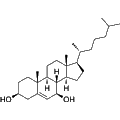
7β-Hydroxycholesterol
7β-Hydroxycholesterol is an oxysterol formed through the oxidation of cholesterol, serving as a potent oxidative stress inducer. This compound is known to elicit cellular oxidative stress, leading to apoptosis and necrosis, which contributes to its cytotoxic effects. Additionally, 7β-Hydroxycholesterol exhibits antitumor activity, making it relevant for research in cancer biology and cell death pathways.
In stock View Details -
- Cat. No.
- A30326
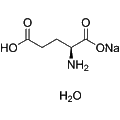
L-Glutamic acid monosodium (hydrate)
L-Glutamic acid monosodium (hydrate) is primarily known as an oxidative stress inducer. It has been shown to induce oxidative stress, leading to DNA damage and apoptosis in liver and brain tissues, particularly in murine models. This compound serves as a valuable tool for investigating the mechanisms underlying metabolic disorders and obesity associated with oxidative stress.
In stock View Details -
- Cat. No.
- A32161
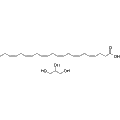
Didocosahexaenoin
Didocosahexaenoin is a diglyceride derivative of docosahexaenoic acid (DHA) known to be a reactive oxygen species (ROS) inducer. It significantly disrupts mitochondrial membrane potential, resulting in elevated ROS levels and subsequent apoptosis. Research demonstrates that Didocosahexaenoin exhibits greater cytotoxicity compared to DHA, particularly in human prostate carcinoma cells, making it a valuable tool for studying oxidative stress and apoptosis in cancer research.
In stock View Details -
- Cat. No.
- A38769
Xanthine oxidase, Microorganism
Synonyms: XO; XOD
Xanthine oxidase, Microorganism (XO) is an enzyme belonging to the xanthine oxidoreductase family that acts as a potent inducer of reactive oxygen species (ROS). This enzyme catalyzes the oxidation of hypoxanthine to xanthine and subsequently converts xanthine into uric acid. Xanthine oxidase is widely utilized in research applications focused on oxidative stress, inflammation, and related pathological conditions.
In stock View Details -
- Cat. No.
- A38783
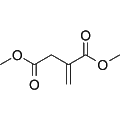
Dimethyl itaconate
Dimethyl itaconate acts as a reactive oxygen species (ROS) inducer and is known for its immunomodulatory properties. It enhances innate immune memory (trained immunity) while inhibiting microglial activation, thereby reducing neuroinflammation and synaptic structural damage. Additionally, dimethyl itaconate has been shown to influence the composition of intestinal microbiota, making it useful for studies related to immune response and neuroinflammatory conditions.
In stock View Details -
- Cat. No.
- A38852
QD394
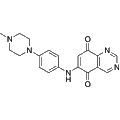
QD394 is a reactive oxygen species (ROS) inducer that facilitates lipid peroxidation and enhances intracellular ROS accumulation. It has been shown to inhibit STAT3 phosphorylation, leading to the induction of ferroptosis. This compound is primarily utilized in research applications focused on oxidative stress, cellular signaling pathways, and the study of ferroptotic mechanisms.
In stock View Details -
- Cat. No.
- A38887
Sonlicromanol
Synonyms: KH176
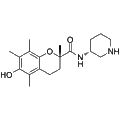
Sonlicromanol (KH176) is an orally active reactive oxygen species (ROS) modulator that targets oxidative stress pathways. It exhibits significant biological activity in the context of mitochondrial diseases, making it a valuable tool for research into mitochondrial dysfunction and associated disorders. Its ability to selectively modulate ROS levels facilitates investigations into cellular metabolism and signaling processes.
In stock View Details -
- Cat. No.
- A38902
Sonlicromanol hydrochloride
Synonyms: KH176 hydrochloride
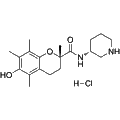
Sonlicromanol hydrochloride is a ROS-redox modulator designed to penetrate the blood-brain barrier. This derivative of Trolox exhibits significant potential in mitigating oxidative stress, making it valuable for the investigation of mitochondrial disorders. Its unique properties facilitate research into therapeutic strategies for various neurodegenerative diseases linked to redox imbalance.
In stock View Details -
- Cat. No.
- A39045
BTA-EG4
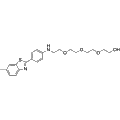
BTA-EG4 is a reactive oxygen species (ROS) inducer that functions as a catalase-amyloid interaction inhibitor. It has been shown to significantly enhance the neurotoxicity of amyloid peptides in neuronal cells with elevated catalase expression. This compound is valuable for research applications focused on neurodegenerative diseases, providing insights into the mechanisms underlying amyloid-related pathology.
In stock View Details -
- Cat. No.
- A39083
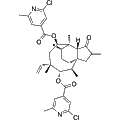
Anticancer agent 15
Anticancer agent 15 functions as a Reactive Oxygen Species (ROS) inducer, effectively elevating intracellular ROS levels. Its mechanism results in the induction of necroptosis in melanoma cancer cells, contributing to programmed cell death. This compound is valuable for research in cancer biology, particularly in studies focused on ROS-mediated signaling pathways and therapeutic strategies against melanoma.
In stock View Details -
- Cat. No.
- A39150
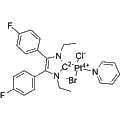
ROS-ERS inducer 2
ROS-ERS Inducer 2 (Complex 3f) functions primarily by inducing reactive oxygen species (ROS) generation within cells, significantly impacting mitochondrial function. This compound promotes the release of damage-associated molecular patterns (DAMPs), facilitates immunogenic cell death (ICD), and activates endoplasmic reticulum stress (ERS). ROS-ERS Inducer 2 is a valuable tool for research in anti-liver cancer therapies and the exploration of mechanisms underlying cellular stress responses.
Out of stock
All 3 sizes -
- Cat. No.
- A39164
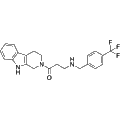
ROS inducer 3
ROS Inducer 3 (Compound I6) primarily functions as a reactive oxygen species (ROS) inducer. It demonstrates significant in vitro bioactivity with an EC50 of 2.86 μg/mL, showcasing robust protective effects against Pseudomonas syringae pv. actinidiae. As a bactericidal agent, ROS Inducer 3 is relevant for studies focused on managing persistent plant bacterial diseases.
In stock View Details -
- Cat. No.
- A39179
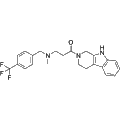
ROS inducer 2
ROS Inducer 2 (Compound I16) primarily functions as a reactive oxygen species (ROS) inducer, demonstrating significant in vitro bioactivity with an EC50 of 3.43 μg/mL. This compound exhibits potent bactericidal properties against Xanthomonas axonopodis pv. citri in vivo, making it a valuable tool for research on persistent bacterial diseases in plants. Its ability to induce ROS provides insights into mechanisms of plant disease resistance and potential therapeutic strategies.
In stock View Details -
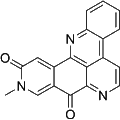
- Cat. No.
- A39207
Amphimedine
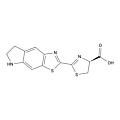
Amphimedine is a polycyclic alkaloid derived from the marine sponge Amphimedon sp., classified as a pyridoindole alkaloid. This compound functions as a reactive oxygen species (ROS) inducer, exerting cytotoxic effects that lend it potential as an anticancer agent. Research indicates that amphimedine, alongside its analog neoamphimedine, can induce cellular DNA damage via ROS generation, making it a valuable tool for studies in cancer biology and oxidative stress research.
Out of stock
All 3 sizes -
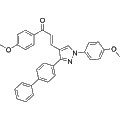
- Cat. No.
- A65468
ROS inducer 6
ROS Inducer 6 is a reactive oxygen species (ROS) inducer that functions as an anticancer agent. It promotes the generation of ROS by depleting intracellular glutathione levels, leading to oxidative stress in cancer cells. This compound is utilized in research to investigate the mechanisms of ROS-mediated cell death and potential therapeutic strategies in oncology.
In stock View Details -
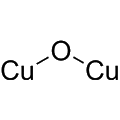
- Cat. No.
- A65469
Copper(I) oxide
Copper(I) oxide is an oxidative stress inducer that exerts cytotoxic effects on cellular viability, particularly in airway epithelial cells. This compound interferes with the enzymatic activities of catalase and glutathione reductase, leading to the production of reactive oxygen species and elevated levels of 8-isoprostane and oxidized glutathione. Copper(I) oxide's cytotoxicity can be mitigated in the presence of Resveratrol, highlighting its potential role in studies of oxidative damage and cellular protection mechanisms.
In stock View Details -
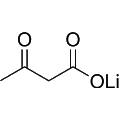
- Cat. No.
- A71187
Acetoacetic acid lithium
Acetoacetic acid lithium is an oxidative stress inducer that targets the antioxidant enzyme system and lipid metabolism. It reduces the mRNA expression and activity of key antioxidant enzymes, including superoxide dismutase (SOD), catalase (CAT), and glutathione peroxidase (GSH-Px), while increasing malondialdehyde (MDA) levels. Additionally, it disrupts very low-density lipoprotein (VLDL) assembly by downregulating essential proteins such as apolipoprotein B100, apoE, and low-density lipoprotein receptor (LDLR), leading to triglyceride accumulation in hepatocytes. This compound is valuable for studying the mechanisms underlying metabolic diseases.
In stock View Details -
- Cat. No.
- A71427
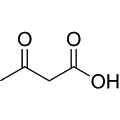
Acetoacetic acid
Acetoacetic acid is an oxidative stress inducer that primarily targets the antioxidant enzyme system and lipoprotein metabolism. It decreases the mRNA expression and activity of key enzymes such as superoxide dismutase (SOD), catalase (CAT), and glutathione peroxidase (GSH-Px), while increasing malondialdehyde (MDA) levels. Additionally, it inhibits very low-density lipoprotein (VLDL) assembly by downregulating apolipoprotein B100, apolipoprotein E, and low-density lipoprotein receptor (LDLR), leading to triglyceride accumulation in hepatocytes. This compound is valuable for researching metabolic disease mechanisms.
In stock View Details