Antibiotic

Antibiotics in this category span β-lactams, tetracyclines, glycopeptides, rifamycins and other natural-product classes. β-Lactams such as oxacillin and the carbapenem doripenem block bacterial cell-wall synthesis by acylating penicillin-binding proteins. Tetracyclines, including oxytetracycline and the fluorocycline eravacycline, bind the 30S ribosomal subunit and inhibit protein synthesis. The glycopeptide vancomycin binds the D-alanyl-D-alanine terminus of cell-wall precursors. Rifapentine, a rifamycin that inhibits bacterial DNA-dependent RNA polymerase, and the streptogramin pristinamycin extend the range. Some antibiotics, such as bleomycin, are studied mainly for their effects on DNA in mammalian cells.

3 Items

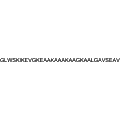
  • Adenoregulin
    Cat. No.
    A27782

    Adenoregulin

    Synonyms: Dermaseptin b2

    Adenoregulin, also known as Dermaseptin b2, is an antimicrobial peptide antibiotic that targets a broad spectrum of microorganisms. It exhibits activity against both Gram-negative and Gram-positive bacteria, as well as yeast and fungi. Additionally, Adenoregulin enhances the binding of agonists to the A1 adenosine receptor, making it valuable for research applications in microbiology and pharmacology.

    Out of stock

    All 3 sizes
  • FSL-1
    Cat. No.
    A35320

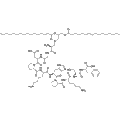
    FSL-1

    FSL-1 is a bacterial-derived agonist of toll-like receptor 2/6 (TLR2/6). It exhibits immunostimulatory activity that enhances resistance against experimental Herpes Simplex Virus Type 2 (HSV-2) infection. This compound is valuable for research applications focused on innate immunity and the development of therapeutic strategies for viral infections.

    1 mg
    $230.00
    5 mg
    $475.00
    All 3 sizes
  • ZG297
    Cat. No.
    A46615

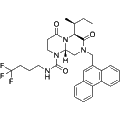
    ZG297

    ZG297 is an agonist of Staphylococcus aureus ClpP (SaClpP) with an EC50 of 0.26 μM. This compound effectively degrades SaFtsZ and inhibits bacterial cell division, demonstrating potent antistaphylococcal activity against S. aureus 8325-4 and MRSA strains, with a minimum inhibitory concentration (MIC) ranging from 0.063 to 256 μg/mL. Additionally, ZG297 has shown efficacy in anti-infectious applications in mouse models, making it a valuable tool for research in antibiotic development.

    Out of stock

    All 3 sizes

3 Items

Added to your cart

View Cart Checkout

    Loading...