Bacterial

Bacterial lists antibacterial compounds that act on bacterial cell walls, protein synthesis and DNA replication. The range covers the main structural classes of antibacterial agents and their molecular targets. Fluoroquinolones such as enoxacin and fleroxacin inhibit DNA gyrase and topoisomerase IV, while aminoglycosides such as tobramycin bind the 30S ribosomal subunit. Cell-wall inhibitors include the cephalosporin cefdinir and the glycopeptide teicoplanin, and the macrolide roxithromycin binds the 50S subunit. Isoniazid and ethionamide, which inhibit mycolic acid synthesis, are used in mycobacterial research.

3 Items

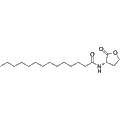
  • N-Tetradecanoyl-L-homoserine lactone
    Cat. No.
    A48546

    N-Tetradecanoyl-L-homoserine lactone

    N-Tetradecanoyl-L-homoserine lactone is a bacterial modulator that functions as a short-chained N-acyl homoserine lactone (AHL). It plays a critical role in cell-to-cell communication among Proteobacteria, particularly in aquatic environments where diatoms are present. This compound is useful in studies investigating bacterial quorum sensing mechanisms and the dynamics of microbial communities.

    5 mg
    $35.00
    10 mg
    $60.00
    All 5 sizes
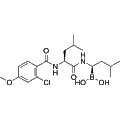
  • ClpP modulator-1
    Cat. No.
    A54491

    ClpP modulator-1

    ClpP modulator-1 (Compound BC8a) is an allosteric modulator of ClpP, demonstrating its efficacy as both an activator and inhibitor depending on concentration. At low concentrations, it exhibits activation with EC50 values of 0.35 μM for Neisseria meningitidis ClpP and 0.58 μM for Escherichia coli ClpP. At higher concentrations, it competitively inhibits the binding of substrates to the ClpP C sites, leading to the inhibition of peptidase activity. This compound shows significant antibacterial activity and is applicable in research focused on bacterial infections.

    5 mg
    $370.00
    10 mg
    $605.00
    All 4 sizes
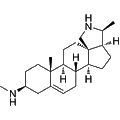
  • Conimine
    Cat. No.
    B21828

    Conimine

    Conimine is a steroidal alkaloid with significant antibacterial properties, specifically targeting bacteria such as methicillin-sensitive and methicillin-resistant Staphylococcus aureus. Isolated from the seeds of Holarrhena antidysenteriaca, Conimine not only exhibits intrinsic antibacterial activity but also acts as a potentiator. When used in combination with Penicillin or Vancomycin, Conimine enhances the antibacterial efficacy against both strains of Staphylococcus aureus, making it a valuable reagent for research in antibiotic synergy and resistance studies.

    Out of stock

    All 3 sizes

3 Items

Added to your cart

View Cart Checkout

    Loading...