Fungal

Antifungal compounds in Fungal act on fungal membranes, ergosterol synthesis and other targets in yeasts and molds. Ergosterol is the main sterol of fungal membranes, so its synthesis pathway is the most common antifungal target. Azoles such as fluconazole, miconazole and oxiconazole inhibit lanosterol 14α-demethylase, a cytochrome P450 enzyme needed for ergosterol synthesis. Terbinafine and liranaftate inhibit squalene epoxidase at an earlier step of the same pathway. The morpholine amorolfine blocks later steps of ergosterol synthesis, while the polyene natamycin binds ergosterol itself. Thiabendazole, a benzimidazole, is also listed for fungal and parasitology research.

3 Items

  • 4'-Methyl-β-naphthoflavone
    Cat. No.
    A28182

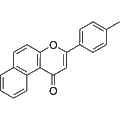
    4'-Methyl-β-naphthoflavone

    4'-Methyl-β-naphthoflavone is a metabolite derived from naphthoflavones, specifically showing activity as a modulator of cytochrome P450 enzymes. Its key biological activity involves the regulation of CYP-450, which is critical for various metabolic processes in fungi. This compound is valuable for research investigating the enzymatic pathways influenced by naphthoflavones and their implications in fungal biology.

    5 mg
    $90.00
    10 mg
    $155.00
    All 5 sizes
  • Polygodial
    Cat. No.
    A33209

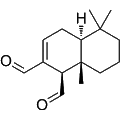
    Polygodial

    Synonyms: Poligodial; Tadeonal

    Polygodial is a sesquiterpene known for its role as an antifungal potentiator. It exhibits significant anti-hyperalgesic properties, making it a valuable compound in research focused on pain modulation and fungal infections. Polygodial has potential applications in developing therapeutic strategies targeting antifungal resistance and enhancing pain relief mechanisms.

    1 mg
    $35.00
    5 mg
    $80.00
    All 4 sizes
  • Zymosan (ZM), 95%
    Cat. No.
    A86882

    Zymosan (ZM), 95%

    Zymosan (ZM), 95% is an immune system modulator derived from yeast cell walls that primarily targets TLR-2, TLR-4, and Dectin-1 receptors. It activates downstream signaling pathways that enhance TLR-2, TLR-4, and TNF-α mRNA expression, leading to increased serum TNF-α levels and improved splenocyte viability in murine models. Zymosan (ZM), 95% has been shown to inhibit melanoma growth, modulate macrophage marker gene expression, and induce pro-inflammatory factor production in human corneal cells. Additionally, it serves as a drug carrier and supports fibroblast cell attachment in hydrogel formulations, making it a valuable tool for research on melanoma, tumors, fungal keratitis, and ocular surface inflammatory disorders.

    25 mg
    $30.00
    50 mg
    $50.00
    All 3 sizes

3 Items

Added to your cart

View Cart Checkout

    Loading...