Insecticides & Acaricides

Insecticides and acaricides are compounds used to control insect and mite pests of crops and stored produce. In research they serve as reference substances for mode-of-action work, resistance monitoring and residue analysis in soil, water and food. Nerve-directed classes are represented by the pyrethroid deltamethrin, which holds voltage-gated sodium channels open, and the carbamate fenobucarb, an acetylcholinesterase inhibitor. Cartap is a nereistoxin analog that acts at nicotinic acetylcholine receptors, while pymetrozine alters feeding behavior in sap-sucking insects. Growth and development are addressed by the ecdysone receptor agonist tebufenozide and the chitin synthesis inhibitor buprofezin. Spiromesifen, a tetronic acid acaricide, inhibits acetyl-coenzyme A carboxylase in lipid synthesis.

Items 151-173 of 173

  • Chlorbicyclen
    Cat. No.
    B11572

    Chlorbicyclen

    Synonyms: Alodan

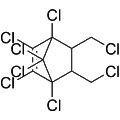
    Chlorbicyclen is an organic chloride compound that acts primarily as an insecticide. It exhibits potent insecticidal activity through its targeted action, disrupting the nervous system function of various insect pests. This compound is widely used in agricultural research to develop effective control strategies against harmful insect populations.

    1 mg
    $20.00
    5 mg
    $25.00
    All 7 sizes
  • (+)-trans-Chrysanthemic acid
    Cat. No.
    B11577

    (+)-trans-Chrysanthemic acid

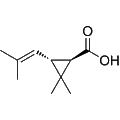
    (+)-trans-Chrysanthemic acid serves as a key component of pyrethroid insecticides, specifically targeting the nervous system of insects. It exhibits potent activity against Orlando strain mosquitoes, making it a valuable compound in insect control research and applications. This compound is utilized to study insecticide efficacy and resistance mechanisms, contributing to the development of effective pest management strategies.

    100 mg
    $55.00
    250 mg
    $80.00
    All 5 sizes
  • Pyrimidifen
    Cat. No.
    B11580

    Pyrimidifen

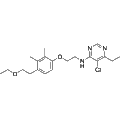
    Pyrimidifen is a phenoxyethyl amine compound functioning as an acaricide. It exhibits effective control of the African red mite, Eutetranychus africanus, with a persistence of 14-21 days, making it suitable for research focused on pest management and agricultural applications. This compound offers a valuable tool for studying acaricide efficacy and resistance mechanisms in various agricultural settings.

    Out of stock

    All 3 sizes
  • Dofenapyn
    Cat. No.
    B11583

    Dofenapyn

    Synonyms: CGA-29170

    Dofenapyn is a selective acaricide that targets mite populations, effectively disrupting their reproductive cycles. It exhibits strong miticidal activity, making it suitable for agricultural applications in field pest management. This compound is particularly useful for controlling resistant mite species, thereby enhancing crop protection and yield.

    Out of stock

    All 3 sizes
  • Spirobudiclofen
    Cat. No.
    B11584

    Spirobudiclofen

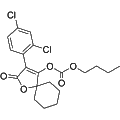
    Spirobudiclofen is a selective, non-systemic acaricide and insecticide that targets agricultural pests. It is particularly effective in controlling the survival and reproduction of Panonychus citri, a mite species in the Tetranychidae family. In BIOAssays, increasing concentrations of spirobudiclofen have been shown to significantly enhance its insecticidal efficacy, making it a valuable tool for pest management in agricultural applications.

    5 mg
    $100.00
    10 mg
    $170.00
    All 3 sizes
  • Profluthrin
    Cat. No.
    B11585

    Profluthrin

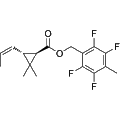
    Profluthrin is a pyrethroid insecticide that acts by disrupting the normal functioning of insect nervous systems. It exhibits potent insecticidal activity, making it effective against a variety of pests, particularly moths. Profluthrin is commonly utilized in applications such as mothproofing agents for textiles, providing durable protection against infestations.

    Out of stock

    All 3 sizes
  • CP-49674
    Cat. No.
    B11586

    CP-49674

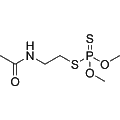
    CP-49674 is an organophosphorus compound that serves as an effective insecticide targeting the common cattle grub (Hypoderma spp.). This reagent exhibits strong biological activity in pest control applications, making it suitable for agricultural research and studies involving parasitic infestations in livestock. Its mechanism of action involves the inhibition of essential enzymes in the nervous system of insects, leading to their incapacitation.

    Out of stock

    All 3 sizes
  • Opoponax oil
    Cat. No.
    B11591

    Opoponax oil

    Synonyms: Opopanax oil

    Opoponax oil functions as a potent insecticide targeting mosquito larvae. Its biological activity disrupts the development and survival of larvae, making it an effective agent for controlling mosquito populations. This compound is particularly useful in research applications focused on vector-borne disease prevention and environmental pest management strategies.

    500 mg
    $335.00
    All 1 sizes
  • Promacyl
    Cat. No.
    B11594

    Promacyl

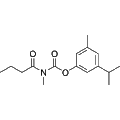
    Promacyl is a carbamate acaricide designed to effectively target cattle ticks. Its primary mechanism involves disrupting the nervous system function of these ectoparasites, leading to their mortality. Promacyl is metabolized in cattle to yield Promecarb and Isothymol, supporting its efficacy in livestock management and pest control applications in veterinary science.

    Out of stock

    All 3 sizes
  • Hexacosane, 2-Methyl-
    Cat. No.
    B11595

    Hexacosane, 2-Methyl-

    Synonyms: 2-Me-C26

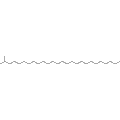
    Hexacosane, 2-Methyl- is a saturated hydrocarbon that functions as an insect pheromone. It is primarily involved in the mating behavior of male M. dasystomus, where it is detected in female cuticles, and affects aggression dynamics in D. melanogaster, modulating male-female interactions. Additionally, this compound has been identified in trail extracts of yellow jackets (V. vulgaris), signaling its potential utility in entomological research and insect behavior studies.

    0.5 mg
    $280.00
    1 mg
    $425.00
    All 3 sizes
  • AI 3-23445
    Cat. No.
    B11602

    AI 3-23445

    AI 3-23445 is an insecticide that exhibits potent biological activity by inducing avoidance behavior in both Peromyscus maniculatus and Mus musculus. This compound is valuable for agricultural research, particularly in studying pest control mechanisms and environmental toxicity effects. Its effectiveness in modifying behavior underscores its potential for use in integrated pest management strategies.

    Out of stock

    All 3 sizes
  • Nithiazine
    Cat. No.
    B11607

    Nithiazine

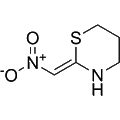
    Nithiazine is a neonicotinoid insecticide that targets nicotinic acetylcholine receptors in insects. It effectively induces mortality in adult house flies through the ingestion of sugar-based baits. Its low resistance level makes Nithiazine a valuable tool for pest control applications in entomological research.

    Out of stock

    All 3 sizes
  • Benzpyrimoxan
    Cat. No.
    B11611

    Benzpyrimoxan

    Synonyms: NNI-1501

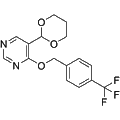
    Benzpyrimoxan functions as an insecticide, primarily targeting nymphs of rice planthoppers. It exhibits significant efficacy in controlling populations of this pest, making it valuable for agricultural research focused on crop protection and pest management. Its mode of action enhances understanding of insecticide mechanisms and resistance in entomological studies.

    Out of stock

    All 3 sizes
  • Cycloprothrin
    Cat. No.
    B11612

    Cycloprothrin

    Synonyms: GH414; NK-8116

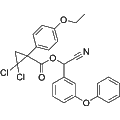
    Cycloprothrin is a potent insecticide targeting key pest species. This compound comprises two isomers, (1R, alphaR)-Cycloprothrin and (R)-Cycloprothrin, with (1R, alphaR)-Cycloprothrin exhibiting significantly enhanced insecticidal activity, demonstrating approximately sixfold and fourfold higher efficacy against Mythimaseparata and Aphismedicagini larvae, respectively. Cycloprothrin is valuable in agricultural research for developing effective pest management strategies and studying insect resistance mechanisms.

    Out of stock

    All 3 sizes
  • Decafentin
    Cat. No.
    B11614

    Decafentin

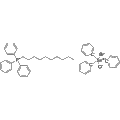
    Decafentin is an insecticide that targets Mamestra brassicae L., effectively disrupting pest populations. This compound demonstrates potent biological activity against various stages of insect development, making it useful in agricultural pest management. Its application is particularly relevant for researchers investigating eco-friendly pest control solutions.

    Out of stock

    All 3 sizes
  • Chlorfenson
    Cat. No.
    B21308

    Chlorfenson

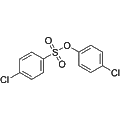
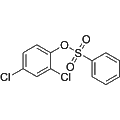
    Chlorfenson is an acaricide that effectively targets and inhibits the growth of various mite species. It functions by interfering with the nervous system of the pests, leading to paralysis and eventual mortality. This compound is primarily utilized in agricultural research to manage mite infestations, contributing to improved crop protection and yield. Its efficacy makes it a valuable tool for studies in pest control and agricultural sustainability.

    25 mg
    $1,275.00
    50 mg
    $1,625.00
    All 3 sizes
  • Sesamex
    Cat. No.
    B21455

    Sesamex

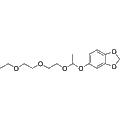
    Sesamex is a pyrethrin synergist that enhances the effectiveness of pyrethroid insecticides. It functions by delaying the conversion of aldrin to dieldrin, thereby improving the overall efficacy of pest control strategies. This compound is particularly valuable in agricultural and environmental research applications focused on insecticide formulation and resistance management.

    25 mg
    $1,275.00
    50 mg
    $1,625.00
    All 3 sizes
  • Dimethrin
    Cat. No.
    B21560

    Dimethrin

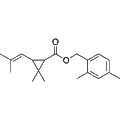
    Dimethrin is a pyrethroid ester insecticide that primarily targets the nervous system of insects. It exhibits potent insecticidal activity by disrupting neural signal transmission, leading to paralysis and eventual death of the pests. Dimethrin is commonly used in agricultural and household pest control applications, serving as an effective tool for managing various insect populations.

    10 mg
    $155.00
    25 mg
    $370.00
    All 4 sizes
  • Genite
    Cat. No.
    B21671

    Genite

    Genite is a potent insecticide that targets key biochemical pathways in various insect pests. Its strong insecticidal activity makes it an essential tool in agricultural production for effective pest management. Utilization of Genite can lead to enhanced crop yield and improved quality, aiding in sustainable farming practices.

    Out of stock

    All 3 sizes
  • α-Phellandrene
    Cat. No.
    B21733

    α-Phellandrene

    Synonyms: alpha-Phellandrene

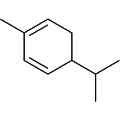
    α-Phellandrene is a monoterpenoid that functions as an insecticide, demonstrating significant biological activity against Lucilia cuprina L3 larvae. It is known to induce apoptosis and autophagy while promoting the cAMP signaling pathway and increasing nitric oxide production. Additionally, α-Phellandrene exhibits anti-inflammatory and anticancer properties, particularly in sarcoma models, and has been shown to alleviate mechanical hyperalgesia. Its diverse biological activities make it a valuable compound for research applications in entomology and cancer studies.

    1 g
    $20.00
    5 g
    $40.00
    All 3 sizes
  • Chlorthion
    Cat. No.
    B21869

    Chlorthion

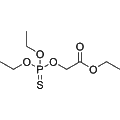
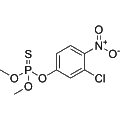
    Chlorthion is an organic phosphorothionate compound primarily acting as an insecticide. It functions by inhibiting liver microsomal hydroxylation of testosterone, a vital metabolic process. This inhibition leads to significant biological activity in controlling insect populations and is widely utilized in entomological research and agricultural applications targeting pest management strategies.

    Out of stock

    All 3 sizes
  • Flubenzimine
    Cat. No.
    B21967

    Flubenzimine

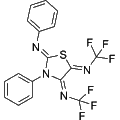
    Flubenzimine is a cyclic amidine that functions as an effective acaricide. It exhibits the ability to significantly decrease the levels of dopamine and its precursor dopa in the pest species Rhizoglyphus echinopus. This compound is particularly useful in research focused on pest management and the biochemical pathways involved in the regulation of neurotransmitters in acarid species.

    25 mg
    $1,275.00
    All 1 sizes
  • Cyenopyrafen
    Cat. No.
    B21976

    Cyenopyrafen

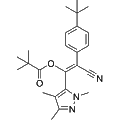
    Cyenopyrafen is a mitochondrial complex II inhibitor that functions as an acaricide. It demonstrates significant biological activity against spider mites, making it effective for use on fruit trees, vegetables, and ornamental flowers. This compound is useful in agricultural research for developing pest management strategies and exploring mitochondrial function in acaricide efficacy.

    Out of stock

    All 3 sizes

Items 151-173 of 173

Added to your cart

View Cart Checkout

    Loading...