Biochemical Assay Reagents

Biochemical Assay Reagents collects small molecules used to prepare, run and calibrate biochemical and cell-based assays. Vitamins and cofactors such as niacin, riboflavin and biotin sit alongside sugars, sugar alcohols and amino acids such as L-arginine. Enzyme substrates and metal-ion chelators complete the range, including the calcium chelator 1,2-bis(2-aminophenoxy)ethane-N,N,N′,N′-tetraacetic acid (BAPTA). Three subcategories group related reagents, namely Carbohydrates & Glycobiology, Acyl-CoA & Cofactors for acyl-coenzyme A (acyl-CoA) compounds, and Chelators & Bifunctional Chelators. Most of these compounds act as substrates, cofactors, standards or buffer components rather than as inhibitors of a defined target.

15 Items

  • Methoxy-PMS
    Cat. No.
    A22647

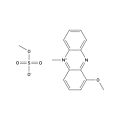
    Methoxy-PMS

    Synonyms: 1-Methoxy PMS; 1-Methoxyphenazine methosulfate

    Methoxy-PMS (1-Methoxy PMS), an active oxygen formation inducer, is stable electron-transport mediator between NAD(P)H and tetrazolium dyes.

    10 mg
    $25.00
    25 mg
    $35.00
    All 7 sizes
  • CDN-A
    Cat. No.
    A65631

    CDN-A

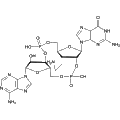
    CDN-A is a cyclic di-nucleotide that serves as a potent stimulator of both innate and adaptive immune responses. It facilitates the synthesis of antibody-drug conjugates (ADCs) and plays a crucial role in immune regulation by activating interferon gene expression. In humans, cyclic di-nucleotides are produced endogenously in response to foreign DNA or by bacterial pathogens, making them vital for stimulating the innate immune system. Research applications include immunotherapy and the study of immune response mechanisms.

    Out of stock

    All 3 sizes
  • NAD sodium
    Cat. No.
    A71083

    NAD sodium

    Synonyms: β-DPN sodium; β-NAD sodium; β-Nicotinamide Adenine Dinucleotide sodium

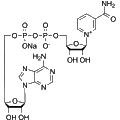
    NAD sodium is a crucial cofactor and homeostatic regulator that plays a significant role in cellular metabolism. It can be reduced to β-nicotinamide adenine dinucleotide (NADH) during oxidative reactions, facilitating ATP production within mitochondria. This compound is particularly relevant in research studying macrophage M2 polarization, non-alcoholic fatty liver disease, obesity, and glucose intolerance, making it a valuable reagent for investigations into metabolic syndrome and associated disorders.

    200 mg
    $25.00
    500 mg
    $30.00
    All 3 sizes
  • IPTG
    Cat. No.
    A86381

    IPTG

    Synonyms: Isopropyl β-D-thiogalactoside

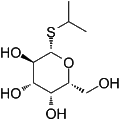
    IPTG (Isopropyl β-D-1-thiogalactopyranoside) acts as a molecular mimic of allolactose and serves as an inducer of the lac operon. This compound effectively triggers transcription in systems where gene expression is regulated by the lac operator, enabling controlled protein expression in biological research. IPTG is widely utilized in molecular biology and recombinant protein studies to regulate the activity of target genes within prokaryotic expression systems.

    500 mg
    $35.00
    1 g
    $40.00
    All 5 sizes
  • Thioglycolate sodium
    Cat. No.
    A86452

    Thioglycolate sodium

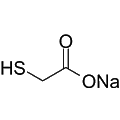
    Thioglycolate sodium is an inflammation inducer that stimulates neutrophil and macrophage recruitment in vivo. This reagent is commonly utilized in research to induce peritonitis, allowing for the study of inflammatory responses and mechanisms in various biological contexts.

    1 g
    $20.00
    5 g
    $25.00
    All 4 sizes
  • Croconic acid disodium
    Cat. No.
    A86471

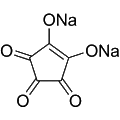
    Croconic acid disodium

    Synonyms: Nacr

    Croconic acid disodium is a potent activator of lysine crotonylation (Kcr), promoting cell growth and proliferation through the upregulation of genes associated with Kcr modification. This compound is particularly relevant for enhancing the efficiency of somatic cell nuclear transfer (SCNT) and optimizing conditions in cell culture studies, making it a valuable reagent for researchers focused on cellular dynamics and development.

    50 mg
    $25.00
    All 1 sizes
  • N,N'-Dimethylhydrazine dihydrochloride
    Cat. No.
    A86566

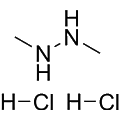
    N,N'-Dimethylhydrazine dihydrochloride

    Synonyms: 1,2-Dimethylhydrazine dihydrochloride

    N,N'-Dimethylhydrazine dihydrochloride is a potent tumor inducer targeting colon cancer pathways. This compound is widely used in rodent models to study the mechanisms of tumorigenesis and cancer progression. It serves as a valuable tool in cancer research, enabling the investigation of therapeutic approaches and the assessment of potential chemopreventive agents.

    1 g
    $25.00
    5 g
    $45.00
    All 2 sizes
  • Sophorose monohydrate
    Cat. No.
    A87416

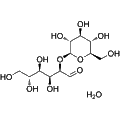
    Sophorose monohydrate

    Synonyms: 2-O-beta-D-Glucopyranosyl-D-glucopyranose monohydrate

    Sophorose monohydrate is a disaccharide that acts as a biochemical assay reagent, primarily distinguished by its role in microbial glycolipids. This compound exhibits significant biological activities, including antibacterial, antifungal, spermicidal, virucidal, and anticancer properties. In research applications, sophorose monohydrate has been identified as a potent inducer of cellulase gene expression in Trichoderma reesei fermentation, making it valuable for studies focused on enzyme production and biosurfactant development.

    1 mg
    $65.00
    5 mg
    $165.00
    All 2 sizes
  • 1,2-Dihexanoyl-sn-glycerol
    Cat. No.
    A89020

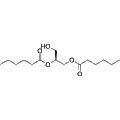
    1,2-Dihexanoyl-sn-glycerol

    1,2-Dihexanoyl-sn-glycerol is a potent activator of protein kinase C (PKC), functioning through the generation of diacylglycerol (DAG) as a second messenger. This compound is utilized as a biochemical assay reagent to study PKC signaling pathways and their effects on various cellular processes. While its biological activity is not fully characterized, it is anticipated to exhibit similar properties to 1,2-dioctanoyl-sn-glycerol, supporting its application in research involving lipid signaling and cell regulation.

    50 mg
    $175.00
    All 1 sizes
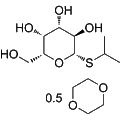
  • IPTG hemidioxane
    Cat. No.
    A91745

    IPTG hemidioxane

    Synonyms: β-D-1-thiogalactopyranoside hemidioxane

    IPTG hemidioxane, also known as β-D-1-thiogalactopyranoside hemidioxane, serves as a potent biochemical reagent primarily utilized as an inducer of the lac operon in molecular biology research. It effectively promotes the expression of proteins in bacterial systems, enhancing the study of gene function and protein production. This reagent is essential for assays requiring controlled gene expression and is widely used in recombinant protein technology.

    Out of stock

    All 3 sizes
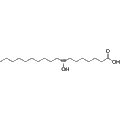
  • 8(R)-Hydroxyoctadecanoic acid
    Cat. No.
    A93170

    8(R)-Hydroxyoctadecanoic acid

    8(R)-Hydroxyoctadecanoic acid is an ester product known for its role in lipid metabolism. This compound exhibits biological activity as an activator of peroxisome proliferator-activated receptors (PPARs), which are involved in the regulation of fatty acid storage and glucose metabolism. It can be utilized in research applications focused on metabolic disorders, inflammation, and cardiovascular diseases, providing insights into the physiological roles of fatty acids in cellular processes.

    Out of stock

    All 3 sizes
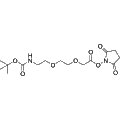
  • BocNH-PEG2-CH2COONHS
    Cat. No.
    A93290

    BocNH-PEG2-CH2COONHS

    BocNH-PEG2-CH2COONHS is a PEG-derived biochemical assay reagent that features a terminal carboxylic acid and a Boc-protected amino group. This hydrophilic PEG spacer enhances the solubility of compounds in aqueous solutions, facilitating diverse biochemical applications. The terminal carboxylic acid readily reacts with primary amine groups, particularly in conjunction with activators like EDC and HATU, to yield stable amide bonds. Deprotection of the Boc group under mild acidic conditions generates a free amine for subsequent reactions.

    Out of stock

    All 3 sizes
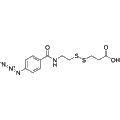
  • 3-((2-(4-Azidobenzamido)ethyl)disulfanyl)propanoic acid
    Cat. No.
    A93446

    3-((2-(4-Azidobenzamido)ethyl)disulfanyl)propanoic acid

    3-((2-(4-Azidobenzamido)ethyl)disulfanyl)propanoic acid is a versatile biochemical assay reagent featuring an aryl azide, a cleavable disulfide bond, and a carboxylic acid. The aryl azide can be activated with UV light (250 to 350 nm) facilitating biomolecule conjugation. Additionally, the carboxylic acid allows for amide bond formation with amines in the presence of an activator, while the disulfide bond can be cleaved using reducing agents, making this compound useful for various chemical biology applications and protein labeling studies.

    Out of stock

    All 3 sizes
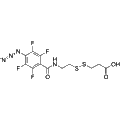
  • 4-Azide-TFP-amide-SS-propionic acid
    Cat. No.
    A93858

    4-Azide-TFP-amide-SS-propionic acid

    4-Azide-TFP-amide-SS-propionic acid is a biochemical assay reagent featuring an aryl azide, a cleavable disulfide bond, and a carboxylic acid. The aryl azide undergoes photo-activation with UV light (250 to 350 nm), facilitating conjugation with various biomolecules. The carboxylic acid is reactive towards amines in the presence of an activator, allowing for the formation of stable amide bonds. The associated disulfide bond can be selectively cleaved using reducing agents, making this compound valuable for applications in protein labeling and conjugation studies.

    Out of stock

    All 3 sizes
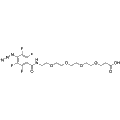
  • 4-Azide-TFP-amide-PEG4-acid
    Cat. No.
    A94952

    4-Azide-TFP-amide-PEG4-acid

    4-Azide-TFP-amide-PEG4-acid is a biochemical assay reagent designed for efficient conjugation reactions. Featuring an aryl azide that can be photo-activated under UV light (250 to 350 nm), it facilitates the covalent attachment to various biomolecules. The inclusion of a PEG spacer enhances aqueous solubility and minimizes steric hindrance during ligation, while the carboxylic acid moiety allows for amine reactions in the presence of an activator to generate stable amide bonds. This reagent is suitable for applications in bioconjugation chemistry and the development of novel biosensors.

    Out of stock

    All 3 sizes

15 Items

Added to your cart

View Cart Checkout

    Loading...