Biochemical Assay Reagents

Biochemical Assay Reagents collects small molecules used to prepare, run and calibrate biochemical and cell-based assays. Vitamins and cofactors such as niacin, riboflavin and biotin sit alongside sugars, sugar alcohols and amino acids such as L-arginine. Enzyme substrates and metal-ion chelators complete the range, including the calcium chelator 1,2-bis(2-aminophenoxy)ethane-N,N,N′,N′-tetraacetic acid (BAPTA). Three subcategories group related reagents, namely Carbohydrates & Glycobiology, Acyl-CoA & Cofactors for acyl-coenzyme A (acyl-CoA) compounds, and Chelators & Bifunctional Chelators. Most of these compounds act as substrates, cofactors, standards or buffer components rather than as inhibitors of a defined target.

8 Items

  • Protamine from salmon
    Cat. No.
    A48126

    Protamine from salmon

    Protamine from salmon is a biochemical assay reagent that serves as an antagonist to heparin, effectively neutralizing its anticoagulant effects. This compound exhibits antioxidant and antimicrobial properties, making it valuable in various research applications. It is particularly useful in studies involving antithrombin complexes, especially in canine samples pretreated with heparin in vitro.

    5 mg
    $20.00
    10 mg
    $30.00
    All 3 sizes
  • Benzyl piperazine-1-carboxylate
    Cat. No.
    A86776

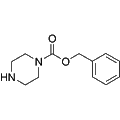
    Benzyl piperazine-1-carboxylate

    Benzyl piperazine-1-carboxylate is a synthetic intermediate primarily utilized in the development of melanocortin-4 (MC4) receptor antagonists. Its structural properties make it valuable in biochemical research aimed at understanding and modulating MC4 receptor activity, which is implicated in various physiological processes including appetite regulation and energy homeostasis. This compound serves as a critical building block for the synthesis of novel therapeutic candidates targeting the MC4 receptor.

    1 mg
    $20.00
    25 g
    $25.00
    All 5 sizes
  • 1,3-Dipropyl-7-methylxanthine
    Cat. No.
    A92790

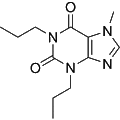
    1,3-Dipropyl-7-methylxanthine

    1,3-Dipropyl-7-methylxanthine is a selective antagonist of adenosine receptors, primarily targeting the A1 subtype. It exhibits potent inhibitory effects on adenosine-mediated signaling pathways, making it valuable in biochemical assays for studying adenosine receptor functions. This compound is commonly utilized in research examining cellular processes influenced by adenosine, such as neurotransmission, inflammation, and metabolic regulation.

    10 mg
    $250.00
    All 1 sizes
  • Nestifylline
    Cat. No.
    A93112

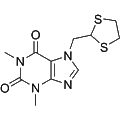
    Nestifylline

    Nestifylline is a biochemical reagent that functions primarily as an antagonist of adenosine receptors. It exhibits significant activity in modulating airway constriction, making it a valuable tool for studying respiratory diseases, particularly bronchospasm. Researchers can utilize Nestifylline to explore mechanisms underlying airway responsiveness and potential therapies for respiratory disorders.

    25 mg
    $1,275.00
    50 mg
    $1,625.00
    All 3 sizes
  • 17-Phenyl trinor-13,14-dihydro prostaglandin A2
    Cat. No.
    A93708

    17-Phenyl trinor-13,14-dihydro prostaglandin A2

    Synonyms: 17-Phenyl trinor-13,14-dihydro PGA2

    17-Phenyl trinor-13,14-dihydro prostaglandin A2 is a biochemical reagent that acts as a selective antagonist of prostaglandin receptors. It has been shown to modulate inflammatory responses and can be utilized in research to investigate the role of prostaglandins in various biological processes. This compound is valuable in studies related to cardiovascular health, reproductive biology, and cellular signaling pathways.

    1 mg
    $130.00
    5 mg
    $585.00
    All 2 sizes
  • BMS-212122
    Cat. No.
    A94208

    BMS-212122

    BMS-212122 is a biochemical assay reagent that functions as a selective antagonist of the p38 mitogen-activated protein kinase (MAPK). It exhibits significant inhibitory activity, making it a valuable tool for studying inflammation, cell signaling, and stress response pathways. This compound is widely utilized in life science research to explore therapeutic targets associated with various diseases, including autoimmune disorders and cancer.

    1 mg
    $280.00
    5 mg
    $680.00
    All 7 sizes
  • Dixylyl disulphide
    Cat. No.
    A94959

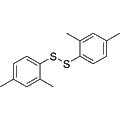
    Dixylyl disulphide

    Synonyms: Disulfide; bis(2,4-dimethylphenyl)

    Dixylyl disulfide is a disulfide compound that functions as a chemical impurity reference standard in biochemical assays. Primarily utilized for monitoring impurities during the synthesis of hydrobromide vortioxetine, it aids in ensuring the purity of the final product. This hydrobromide derivative is known for its role as a 5-HT3, 5-HT7, and 5-HT1D receptor antagonist as well as a 5-HT1A receptor agonist, contributing to its antidepressant properties.

    100 mg
    $70.00
    250 mg
    $135.00
    All 5 sizes
  • LH secretion antagonist 1
    Cat. No.
    A94971

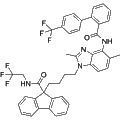
    LH secretion antagonist 1

    LH Secretion Antagonist 1 is a specific antagonist of luteinizing hormone secretion, functioning as a biochemical assay reagent. This compound is also recognized for its potential analgesic properties. Additionally, it features an alkyne group, enabling it to participate in copper-catalyzed azide-alkyne cycloaddition (CuAAc) with azide-containing molecules, making it valuable for bioconjugation applications in chemical biology and drug discovery.

    Out of stock

    All 3 sizes

8 Items

Added to your cart

View Cart Checkout

    Loading...