Biochemical Assay Reagents

Biochemical Assay Reagents collects small molecules used to prepare, run and calibrate biochemical and cell-based assays. Vitamins and cofactors such as niacin, riboflavin and biotin sit alongside sugars, sugar alcohols and amino acids such as L-arginine. Enzyme substrates and metal-ion chelators complete the range, including the calcium chelator 1,2-bis(2-aminophenoxy)ethane-N,N,N′,N′-tetraacetic acid (BAPTA). Three subcategories group related reagents, namely Carbohydrates & Glycobiology, Acyl-CoA & Cofactors for acyl-coenzyme A (acyl-CoA) compounds, and Chelators & Bifunctional Chelators. Most of these compounds act as substrates, cofactors, standards or buffer components rather than as inhibitors of a defined target.

12 Items

  • Methoxy-PMS
    Cat. No.
    A22647

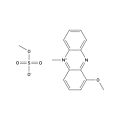
    Methoxy-PMS

    Synonyms: 1-Methoxy PMS; 1-Methoxyphenazine methosulfate

    Methoxy-PMS (1-Methoxy PMS), an active oxygen formation inducer, is stable electron-transport mediator between NAD(P)H and tetrazolium dyes.

    10 mg
    $25.00
    25 mg
    $35.00
    All 7 sizes
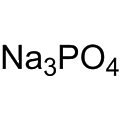
  • Trisodium phosphate
    Cat. No.
    A47943

    Trisodium phosphate

    Trisodium phosphate is a food additive that acts as a buffering agent and stabilizer. It influences the growth parameters of Listeria monocytogenes, specifically affecting the lag phase and maximum growth rate. Additionally, Trisodium phosphate enhances the sensitivity of Gram-negative bacteria to antimicrobial agents such as Lysozyme and Nisin, making it valuable for research in food safety and microbiology.

    1 mg
    $20.00
    50 mg
    $25.00
    All 5 sizes
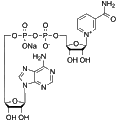
  • NAD sodium
    Cat. No.
    A71083

    NAD sodium

    Synonyms: β-DPN sodium; β-NAD sodium; β-Nicotinamide Adenine Dinucleotide sodium

    NAD sodium is a crucial cofactor and homeostatic regulator that plays a significant role in cellular metabolism. It can be reduced to β-nicotinamide adenine dinucleotide (NADH) during oxidative reactions, facilitating ATP production within mitochondria. This compound is particularly relevant in research studying macrophage M2 polarization, non-alcoholic fatty liver disease, obesity, and glucose intolerance, making it a valuable reagent for investigations into metabolic syndrome and associated disorders.

    200 mg
    $25.00
    500 mg
    $30.00
    All 3 sizes
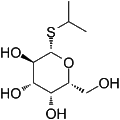
  • IPTG
    Cat. No.
    A86381

    IPTG

    Synonyms: Isopropyl β-D-thiogalactoside

    IPTG (Isopropyl β-D-1-thiogalactopyranoside) acts as a molecular mimic of allolactose and serves as an inducer of the lac operon. This compound effectively triggers transcription in systems where gene expression is regulated by the lac operator, enabling controlled protein expression in biological research. IPTG is widely utilized in molecular biology and recombinant protein studies to regulate the activity of target genes within prokaryotic expression systems.

    500 mg
    $35.00
    1 g
    $40.00
    All 5 sizes
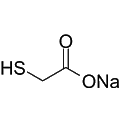
  • Thioglycolate sodium
    Cat. No.
    A86452

    Thioglycolate sodium

    Thioglycolate sodium is an inflammation inducer that stimulates neutrophil and macrophage recruitment in vivo. This reagent is commonly utilized in research to induce peritonitis, allowing for the study of inflammatory responses and mechanisms in various biological contexts.

    1 g
    $20.00
    5 g
    $25.00
    All 4 sizes
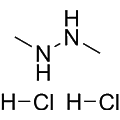
  • N,N'-Dimethylhydrazine dihydrochloride
    Cat. No.
    A86566

    N,N'-Dimethylhydrazine dihydrochloride

    Synonyms: 1,2-Dimethylhydrazine dihydrochloride

    N,N'-Dimethylhydrazine dihydrochloride is a potent tumor inducer targeting colon cancer pathways. This compound is widely used in rodent models to study the mechanisms of tumorigenesis and cancer progression. It serves as a valuable tool in cancer research, enabling the investigation of therapeutic approaches and the assessment of potential chemopreventive agents.

    1 g
    $25.00
    5 g
    $45.00
    All 2 sizes
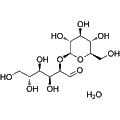
  • Sophorose monohydrate
    Cat. No.
    A87416

    Sophorose monohydrate

    Synonyms: 2-O-beta-D-Glucopyranosyl-D-glucopyranose monohydrate

    Sophorose monohydrate is a disaccharide that acts as a biochemical assay reagent, primarily distinguished by its role in microbial glycolipids. This compound exhibits significant biological activities, including antibacterial, antifungal, spermicidal, virucidal, and anticancer properties. In research applications, sophorose monohydrate has been identified as a potent inducer of cellulase gene expression in Trichoderma reesei fermentation, making it valuable for studies focused on enzyme production and biosurfactant development.

    1 mg
    $65.00
    5 mg
    $165.00
    All 2 sizes
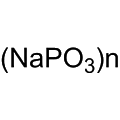
  • Sodium polyphosphate, crystal,+200 mesh, 96%
    Cat. No.
    A88027

    Sodium polyphosphate, crystal,+200 mesh, 96%

    Sodium polyphosphate is a water-soluble inorganic stabilizer that functions as a surfactant and metal ion chelator. With a purity of 96% and a particle size of +200 mesh, this compound demonstrates key biological activity in biochemical assays. It is commonly utilized in various applications, including food, cosmetics, and industrial products, to enhance texture and stability while mitigating metal ion-induced degradation, thereby prolonging shelf life.

    1 mg
    $20.00
    500 g
    $25.00
    All 2 sizes
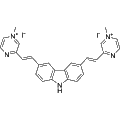
  • BMVC4
    Cat. No.
    A88993

    BMVC4

    BMVC4 is a G-quadruplex (G4) stabilizer specifically targeting the human telomeric sequence d[AG3(T2AG3)3]. This compound exhibits enhanced suitability as a core molecule for G4 stabilizers and demonstrates significant potential for anticancer research applications. Using circular dichroism (CD) spectroscopy, BMVC4 shows improved stability compared to other derivatives in the presence of trivalent cations. Additionally, a rapid screening method utilizing Cu2+-induced G4 unfolding can be employed to identify superior G4 stabilizers, emphasizing BMVC4's role as a promising candidate for further study in therapeutic settings.

    5 mg
    $280.00
    10 mg
    $460.00
    All 4 sizes
  • Stearyl arachidate
    Cat. No.
    A89274

    Stearyl arachidate

    Synonyms: Arachidic acid stearyl ester

    Stearyl arachidate is a biochemical assay reagent that serves as a surfactant and stabilizer in various biological applications. It exhibits properties conducive to enhancing solubility and bioavailability of hydrophobic compounds, making it valuable for studies in drug formulation and delivery. This compound is particularly useful in research focused on lipid interactions and membrane biophysics.

    25 mg
    $40.00
    50 mg
    $60.00
    All 3 sizes
  • β-Cyclodextrin, 2-hydroxyethyl ethers
    Cat. No.
    A91358

    β-Cyclodextrin, 2-hydroxyethyl ethers

    β-Cyclodextrin, 2-hydroxyethyl ethers functions as a biochemical reagent that primarily acts as a solubilizing agent and stabilizer for various compounds. Its unique structure enhances the solubility of hydrophobic molecules, making it valuable in pharmaceutical and biochemical research applications. It is often used in drug delivery systems, formulation of nanoparticles, and studies involving inclusion complexes to improve the bioavailability of therapeutic agents.

    1 mg
    $20.00
    1 g
    $25.00
    All 7 sizes
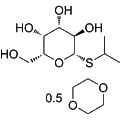
  • IPTG hemidioxane
    Cat. No.
    A91745

    IPTG hemidioxane

    Synonyms: β-D-1-thiogalactopyranoside hemidioxane

    IPTG hemidioxane, also known as β-D-1-thiogalactopyranoside hemidioxane, serves as a potent biochemical reagent primarily utilized as an inducer of the lac operon in molecular biology research. It effectively promotes the expression of proteins in bacterial systems, enhancing the study of gene function and protein production. This reagent is essential for assays requiring controlled gene expression and is widely used in recombinant protein technology.

    Out of stock

    All 3 sizes

12 Items

Added to your cart

View Cart Checkout

    Loading...