AMPK

AMPK activators and inhibitors act on adenosine monophosphate-activated protein kinase (AMPK), an energy sensor. The enzyme is a heterotrimer of a catalytic α subunit with regulatory β and γ subunits. When cellular energy falls, AMPK switches off anabolic pathways such as fatty acid synthesis and switches on catabolic processes. A 2001 study linked AMPK activation to the actions of metformin and introduced compound C, also known as dorsomorphin, as an inhibitor. A-769662, reported in 2006, was among the first direct small-molecule AMPK activators. MK8722 and ex229 also activate the kinase directly, whereas acadesine acts through a cellular metabolite that mimics adenosine monophosphate.

Items 101-104 of 104

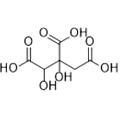
  • Hydroxycitric acid
    Cat. No.
    A69560

    Hydroxycitric acid

    Hydroxycitric acid is an orally active compound that serves as a multifunctional activator of Nrf2, AMPK, and mTOR pathways. It enhances the expression of antioxidant enzymes, such as superoxide dismutase, and increases glutathione levels, thereby mitigating oxidative stress and ferroptosis, particularly in renal tubular epithelial cells. Additionally, hydroxycitric acid induces cell cycle arrest in cancer cells and promotes DNA fragmentation through modulation of the AMPK and mTORC1/S6K signaling pathways. This compound is valuable for research in oxidative stress, cancer biology, and metabolic regulation.

    20 mg
    $20.00
    50 mg
    $40.00
    All 3 sizes
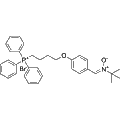
  • MitoPBN
    Cat. No.
    A72504

    MitoPBN

    MitoPBN is an AMPK/SIRT3/PGC-1α modulator that enhances mitochondrial function by acting as a reactive oxygen species scavenger. This compound promotes mitochondrial biogenesis through increased AMPK phosphorylation, restoration of SIRT3 expression, and upregulation of PGC-1α. MitoPBN is effective in regulating glucose metabolism, as it decreases blood glucose levels by inhibiting hepatic gluconeogenesis and enhancing glucose uptake, while also improving ATP production and maintaining mitochondrial membrane potential. Additionally, it can reduce apoptosis and enhance sperm motility and membrane integrity, making it a valuable reagent for research related to diabetes and metabolic disorders.

    1 mg
    $180.00
    5 mg
    $465.00
    All 3 sizes
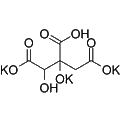
  • Hydroxycitric acid (tripotassium)
    Cat. No.
    A87984

    Hydroxycitric acid (tripotassium)

    Hydroxycitric acid (tripotassium) is a potent activator of the Nrf2, AMPK, and mTOR signaling pathways. It enhances the expression of antioxidant enzymes, elevates glutathione levels, and inhibits ferroptosis, thereby providing protection against oxidative stress and promoting cellular health. This compound is actively engaged in regulating renal and pulmonary vascular functions and is also implicated in the induction of apoptosis in cancer cells through cell cycle arrest and DNA fragmentation. Its multi-target bioactivity makes it a valuable tool in research focused on oxidative stress, cancer biology, and metabolic regulation.

    25 mg
    $25.00
    50 mg
    $40.00
    All 3 sizes
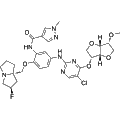
  • NUAK1-IN-3
    Cat. No.
    B21906

    NUAK1-IN-3

    NUAK1-IN-3 is a selective inhibitor of NUAK1 with a high potency, exhibiting an IC50 of 0.49 nM. It also demonstrates inhibitory activity against NUAK2 and JAK3 with IC50 values of 265 nM and 225 nM, respectively. This compound disrupts the NUAK1-MYPT1 signaling pathway, leading to reduced MYPT1 phosphorylation and inhibition of proliferation, migration, and invasion in triple-negative breast cancer cells. Additionally, NUAK1-IN-3 counteracts TGF-β1-induced epithelial-mesenchymal transition effects by modulating critical markers such as Snail, N-cadherin, and E-cadherin. It holds potential for exploring therapeutic strategies for triple-negative breast cancer.

    Out of stock

    All 3 sizes

Items 101-104 of 104

Added to your cart

View Cart Checkout

    Loading...