Protein Kinase C (PKC)

Protein kinase C (PKC) inhibitors and activators act on a family of lipid-regulated serine/threonine kinases. Conventional PKC isoforms require calcium and diacylglycerol, novel isoforms need only diacylglycerol, and atypical isoforms respond to neither. Tumor-promoting phorbol esters mimic diacylglycerol and were shown in 1982 to activate PKC directly. 12-O-tetradecanoyl phorbol-13-acetate (TPA) is the standard activator of this kind, and ingenol mebutate also activates several isoforms. Staurosporine was first described as a PKC inhibitor but blocks a wide range of protein kinases. Enzastaurin is selective for PKCβ, while GO6983 and Ro 31-8220 mesylate inhibit multiple conventional and novel isoforms.

17 Items

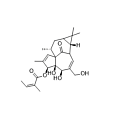
  • Ingenol Mebutate
    Cat. No.
    A12963

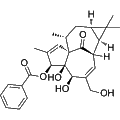
    Ingenol Mebutate (PEP005)

    Synonyms: PEP005; ingenol-3-angelate; I3A

    Ingenol mebutate is a substance found in the sap of the plant Euphorbia peplus and an inducer of cell death.

    1 mg
    $55.00
    2 mg
    $90.00
    All 6 sizes
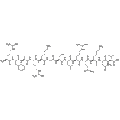
  • [Ser25] Protein Kinase C (19-31)
    Cat. No.
    A14882

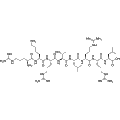
    [Ser25] Protein Kinase C (19-31)

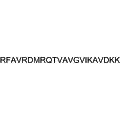
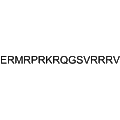
    Protein Kinase C (19-31), this peptide derived from the pseudo-substrate regulatory domain of PKCa (residues 19-31) with a serine at position 25 replacing the wild-type alanine, it was used as protein kinase C substrate peptide for testing the protein kinase C activity.

    5 mg
    $100.00
    10 mg
    $170.00
    All 3 sizes
  • Protein Kinase C (19-31)
    Cat. No.
    A23135

    Protein Kinase C (19-31)

    Synonyms: PKC (19-31)

    Protein Kinase C (19-31), a peptide inhibitor of protein kinase C (PKC), derived from the pseudo-substrate regulatory domain of PKCa (residues 19-31) with a serine at position 25 replacing the wild-type alanine, is used as protein kinase C substrate peptide for testing the protein kinase C activity. Protein kinase C (PKC) is involved in controlling the function of other proteins through the phosphorylation of hydroxyl groups of serine and threonine amino acid residues on these proteins.

    1 mg
    $60.00
    5 mg
    $220.00
    All 3 sizes
  • Psychosine
    Cat. No.
    A46142

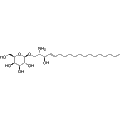
    Psychosine

    Synonyms: Galactosylsphingosine

    Psychosine, or galactosylsphingosine, serves as a substrate for the galactocerebrosidase (GALC) enzyme and is recognized as a potential biomarker for Krabbe disease. This cytotoxic lipid is known to induce apoptosis, leading to cell death in various cell types, particularly oligodendrocytes, which are significant in the context of globoid cell leukodystrophy (GLD). Additionally, psychosine acts as an inhibitor of protein kinase C (PKC), further emphasizing its role in cellular signaling pathways and potential applications in neurological research.

    1 mg
    $160.00
    5 mg
    $410.00
    All 2 sizes
  • Myelin Basic Protein
    Cat. No.
    A46145

    Myelin Basic Protein

    Synonyms: MHP4-14

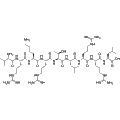
    Myelin Basic Protein (MHP4-14) serves as a specific substrate for protein kinase C (PKC), demonstrating a Km of 7 μM. This synthetic peptide, derived from residues 4-14 of myelin basic protein, is not phosphorylated by various other kinases, including cyclic AMP-dependent protein kinase and casein kinases I and II. It is highly effective for studying PKC activity in crude tissue extracts, providing a low background and reliable results in biochemical assays.

    5 mg
    $80.00
    10 mg
    $125.00
    All 2 sizes
  • Z-Arg-SBzl
    Cat. No.
    A46157

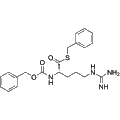
    Z-Arg-SBzl

    Z-Arg-SBzl is a specific substrate for both bovine and activated human protein C. It effectively facilitates the study of protein C activity and its role in coagulation processes. This compound is valuable for research applications focused on thrombosis and hemostasis, enabling the development of assays to investigate the regulatory mechanisms of blood coagulation.

    5 mg
    $150.00
    10 mg
    $235.00
    All 2 sizes
  • Ingenol 3-monobenzoate
    Cat. No.
    A46180

    Ingenol 3-monobenzoate

    Synonyms: Ingenol 3-benzoate

    Ingenol 3-monobenzoate is an aversion inducer that selectively activates protein kinase C (PKC) with a Ki of 0.14 nM. This compound inhibits the expression of phosphoenolpyruvate carboxykinase, leading to reduced gluconeogenesis and elevated cortisol levels, which collectively contribute to induced food aversion. Ingenol 3-monobenzoate is valuable for research into behavioral responses to aversive stimuli and the underlying metabolic mechanisms.

    5 mg
    $410.00
    10 mg
    $670.00
    All 3 sizes
  • EGFR Peptide
    Cat. No.
    A46187

    EGFR Peptide

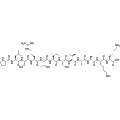
    EGFR Peptide is a selective substrate for Protein Kinase C (PKC), facilitating the measurement of PKC activity in various biological contexts. This peptide is instrumental in studies examining PKC's role in cellular signaling pathways, making it a valuable tool for researchers exploring cancer biology, cell proliferation, and differentiation processes. Its specific interaction with PKC allows for accurate assessments of enzyme activity, contributing to a deeper understanding of PKC-mediated signaling mechanisms.

    Out of stock

    All 3 sizes
  • PKCη pseudosubstrate inhibitor,myristoylated
    Cat. No.
    A46197

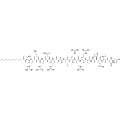
    PKCη pseudosubstrate inhibitor,myristoylated

    PKCη pseudosubstrate inhibitor, myristoylated is a cell-permeable compound designed to inhibit protein kinase C eta (PKCη) activity by mimicking its substrate. This inhibitor allows for the exploration of PKCη’s role in various signaling pathways, facilitating studies on its biological functions in cell proliferation, differentiation, and apoptosis. Researchers can utilize this tool to investigate the therapeutic potential of modulating PKCη activity in various diseases.

    1 mg
    $65.00
    5 mg
    $125.00
    All 3 sizes
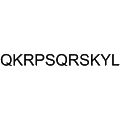
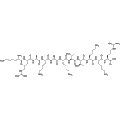
  • KRPpSQRHGSKY-NH2
    Cat. No.
    A46198

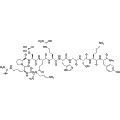
    KRPpSQRHGSKY-NH2

    KRPpSQRHGSKY-NH2 is a bioactive peptide that serves as a phosphorylated substrate for protein kinase C (PKC). This compound is utilized in research applications to study signaling pathways and phosphorylation events mediated by PKC. Its role in cellular processes makes it valuable for investigating various biological functions and potential therapeutic targets.

    Out of stock

    All 3 sizes
  • PKCδ Peptide Substrate
    Cat. No.
    A46211

    PKCδ Peptide Substrate

    PKCδ Peptide Substrate is a highly specific substrate that targets the δ isoform of Protein Kinase C (PKCδ). Featuring the amino acid sequence corresponding to residues 422-443 of murine eEF-1α and incorporating Thr-431, this peptide supports detailed studies of PKCδ activity. It is suitable for a variety of research applications, including kinase assays and understanding PKCδ's role in cellular signaling pathways.

    Out of stock

    All 3 sizes
  • Protein kinase C substrate
    Cat. No.
    A46228

    Protein kinase C substrate

    Protein kinase C substrate serves as a substrate for Protein kinase C, enabling the detection of phosphorylated proteins. Protein kinase C is a critical regulator in signal transduction pathways, facilitating cellular responses through the phosphorylation of specific substrates. This reagent is essential for studying kinase activity and elucidating signaling mechanisms in various biological contexts.

    Out of stock

    All 3 sizes
  • [Ala9,10, Lys11,12] Glycogen Synthase (1-12)
    Cat. No.
    A46234

    [Ala9,10, Lys11,12] Glycogen Synthase (1-12)

    [Ala9,10, Lys11,12] Glycogen Synthase (1-12) serves as a selective substrate for phosphorylation by protein kinase C (PKC). This reagent is useful for assessing PKC activity in various biological contexts, providing insights into signaling pathways involving PKC and glycogen metabolism. Researchers can utilize this substrate to elucidate the regulatory mechanisms of PKC in cellular processes.

    Out of stock

    All 3 sizes
  • Protein Kinase C Peptide Substrate
    Cat. No.
    A46235

    Protein Kinase C Peptide Substrate

    Synonyms: PKCε; PRKCE; Peptide Epsilon

    Protein Kinase C Peptide Substrate is specifically designed to act as a substrate for Protein Kinase C, a crucial player in cellular signal transduction. This substrate participates in the phosphorylation of serine and threonine residues in target proteins, modulating various cellular processes in response to second messengers. Its key biological activities include regulation of nervous, endocrine, exocrine, inflammatory, and immune responses. This reagent is valuable for research applications aimed at understanding signaling pathways and the functional roles of Protein Kinase C in cellular physiology.

    Out of stock

    All 3 sizes
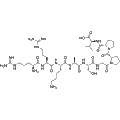
  • KRAKAKTTKKR
    Cat. No.
    A46243

    KRAKAKTTKKR

    KRAKAKTTKKR is a synthetic peptide that serves as a substrate for protein kinase C (PKC). It facilitates the study of PKC activity by enabling the assessment of phosphorylation processes. This peptide is utilized in biochemical assays to explore signaling pathways and cellular mechanisms involving PKC, contributing to research in cancer, diabetes, and other diseases influenced by this kinase.

    Out of stock

    All 3 sizes
  • Phosphate acceptor peptide
    Cat. No.
    A46246

    Phosphate acceptor peptide

    Phosphate acceptor peptide is a specific substrate for cyclic AMP-dependent protein kinase (PKA), facilitating the study of phosphorylation processes. Additionally, it exhibits weak inhibitory activity against protein kinase C (PKC), making it useful in exploring the mechanisms of kinase signaling pathways. This reagent is applicable in various biochemical assays aimed at understanding cellular signaling and regulation.

    Out of stock

    All 3 sizes
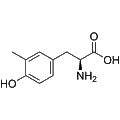
  • 3-Methyl-L-tyrosine
    Cat. No.
    A46256

    3-Methyl-L-tyrosine

    3-Methyl-L-tyrosine is a derivative of L-Tyrosine that features a methyl group at the third position of the aromatic ring. This compound acts as a substrate for the protein tyrosine kinase Csk, demonstrating a catalytic efficiency (kcat/Km) of 38% relative to L-Tyrosine, indicating its role in modulating the enzymatic processing of Gsk. Research applications of 3-Methyl-L-tyrosine include studying the molecular recognition mechanisms of Gsk's substrates, which is essential for the design of specific inhibitors targeting Gsk in various therapeutic areas.

    Out of stock

    All 3 sizes

17 Items

Added to your cart

View Cart Checkout

    Loading...