CSF-1R

CSF-1R inhibitors block the colony-stimulating factor 1 receptor (CSF-1R) on macrophages and microglia. In 1985 the c-fms proto-oncogene product was found to be related to the receptor for CSF-1, a mononuclear phagocyte growth factor. Binding of CSF-1 or interleukin-34 activates the receptor and supports survival, proliferation and differentiation of monocyte-lineage cells. Work with pexidartinib, then called PLX3397, showed in 2014 that adult mouse microglia require CSF-1R signaling to survive. PLX5622 and GW2580 are widely used CSF-1R inhibitors, and Ki 20227 and edicotinib also target the receptor. The c-Fms category lists further compounds that are filed under the gene name of the same receptor.

Items 76-77 of 77

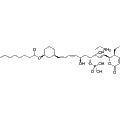
  • Leustroducsin A
    Cat. No.
    A34641

    Leustroducsin A

    Leustroducsin A is a colony-stimulating factor (CSF) inducer that stimulates the production of CSF from bone marrow stromal cells. This compound is essential for research applications focused on hematopoiesis and immune response modulation. Its activity makes it a valuable tool for studying the regulation of blood cell production and potential therapeutic interventions in hematologic disorders.

    25 mg
    $1,275.00
    All 1 sizes
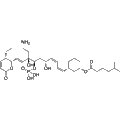
  • Leustroducsin C
    Cat. No.
    A34642

    Leustroducsin C

    Leustroducsin C is a colony-stimulating factor (CSF) inducer that stimulates the production of CSF from bone marrow stromal cells. This compound plays a critical role in hematopoiesis by enhancing the proliferation and differentiation of blood cell lineages, making it useful for research applications in immunology and regenerative medicine. Its ability to modulate the bone marrow microenvironment can be leveraged for studies on cellular interactions and therapeutic responses in various hematological conditions.

    25 mg
    $1,275.00
    All 1 sizes

Items 76-77 of 77

Added to your cart

View Cart Checkout

    Loading...