β-catenin

β-catenin inhibitors and activators act on the transcriptional coactivator at the center of canonical Wnt signaling. β-Catenin also links cadherins to the actin cytoskeleton, while its free signaling pool is constantly degraded. Wnt stimulation stabilizes β-catenin, which then enters the nucleus and binds T-cell factor/lymphoid enhancer factor (TCF/LEF) transcription factors. FH535 suppresses β-catenin/TCF-dependent transcription and also antagonizes peroxisome proliferator-activated receptors γ and δ (PPARγ, PPARδ). ICG-001 and foscenvivint block β-catenin binding to CREB-binding protein (CBP), a coactivator named after cyclic adenosine monophosphate response element-binding protein (CREB). Astragaloside I and WAY-316606 act in the opposite direction, and WAY-316606 inhibits the extracellular Wnt antagonist secreted frizzled-related protein 1 (sFRP-1). Upstream modulators, such as porcupine and tankyrase inhibitors, are listed under Wnt.

4 Items

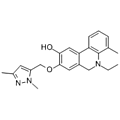
  • SKL2001
    Cat. No.
    A16707

    SKL2001

    SKL2001 is an agonist of the Wnt/β-catenin pathway, with anti-cancer activity. SKL2001 stabilizes intracellular β-catenin via disruption of the Axin/β-catenin interaction.

    5 mg
    $30.00
    10 mg
    $50.00
    All 8 sizes
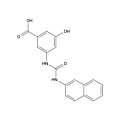
  • FzM1.8
    Cat. No.
    A18760

    FzM1.8

    FzM1.8 is an allosteric agonist of the Frizzled receptor FZD4 with pEC50 of 6.4. FzM1.8 binds to FZD4 and activates the WNT/β-catenin pathway, by promoting TCF/LEF transcriptional activity in the absence of any WNT ligand. FzM1.8 binding stabilizes FZD4 with an increased affinity for heterotrimeric G protein and stimulates the release of the Gβγ subunit that in turn activates PI3K.

    1 mg
    $30.00
    5 mg
    $60.00
    All 7 sizes
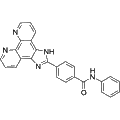
  • SLD1121
    Cat. No.
    A37100

    SLD1121

    SLD1121 is a potent agonist of the Wnt/β-catenin signaling pathway, specifically targeting LRP6 with an inhibition constant (Kd) ranging from 4.52 to 7.49 nM. By interacting with the intracellular domain of LRP6, SLD1121 stabilizes the receptor, enhances its nuclear translocation, and promotes its association with β-catenin, TCF4, or LEF1, leading to the upregulation of Wnt-regulated and stem cell-associated genes. Notably, SLD1121 facilitates the transition of hair follicles from the telogen to anagen phase in the mouse hair growth cycle, making it a valuable reagent for research focused on hair loss and regenerative medicine.

    Out of stock

    All 3 sizes

4 Items

Added to your cart

View Cart Checkout

    Loading...