Adrenergic Receptors

Adrenergic receptor agonists and antagonists act on the receptors activated by norepinephrine and epinephrine. These receptors are G protein-coupled receptors (GPCRs), grouped into α1, α2 and β subtypes that control vascular tone, heart rate and metabolism. Cloning of the β-adrenergic receptor gene in 1986 revealed homology with rhodopsin, linking hormone receptors to the visual pigment family. In 2011 the crystal structure of the β2 adrenergic receptor bound to its G protein, Gs, captured an active receptor complex. Representative ligands include the α1 agonist phenylephrine HCl and the α1 antagonist prazosin HCl. The β agonist isoprenaline HCl and the β3-selective agonist mirabegron are also listed.

2 Items

  • FFN270 hydrochloride
    Cat. No.
    A58171

    FFN270 hydrochloride

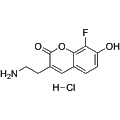
    FFN270 hydrochloride is a fluorescent tracer that specifically targets adrenergic receptors, functioning as a substrate for norepinephrine and vesicular monoamine transporters. This compound displays distinct absorption and excitation maxima at either 320 nm or 365 nm depending on the solvent pH, with an emission wavelength of 475 nm. FFN270 hydrochloride is valuable in research applications that involve monitoring norepinephrine dynamics and can also serve as a ratiometric pH sensor for various biological studies.

    5 mg
    $525.00
    10 mg
    $695.00
    All 2 sizes
  • RESA peptide
    Cat. No.
    A58261

    RESA peptide

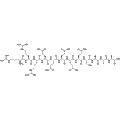
    RESA peptide is a substrate for β-adrenergic receptor kinase (βARK) that facilitates βARK-mediated phosphorylation. Its N-terminal acidic residues enhance both the efficiency of phosphorylation and the binding affinity to the kinase. This peptide is valuable for studies investigating βARK signaling pathways and the regulation of adrenergic receptors, contributing to the understanding of cardiac function and other physiological processes.

    Out of stock

    All 3 sizes

2 Items

Added to your cart

View Cart Checkout

    Loading...