Protein Kinase A (PKA)

Protein kinase A (PKA) inhibitors and activators act on the main kinase that relays cyclic nucleotide signals in cells. PKA was described in 1968 as an adenosine 3',5'-monophosphate-dependent protein kinase from rabbit skeletal muscle. The inactive enzyme is a tetramer of two regulatory and two catalytic subunits, and cyclic adenosine monophosphate (cAMP) binding releases the catalytic subunits. H 89 2HCl is a salt of H-89, an isoquinolinesulfonamide inhibitor reported in 1990. PKI 14-22 amide, myristoylated, is a cell-permeable peptide derived from the endogenous protein kinase inhibitor. Bucladesine sodium, a dibutyryl cAMP analog, activates PKA in intact cells instead. AT13148 inhibits PKA along with related kinases such as Akt, and further relatives are listed under Protein Kinase C (PKC).

4 Items

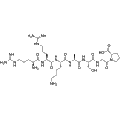
  • Kemptide
    Cat. No.
    A37157

    Kemptide

    Kemptide is a synthetic heptapeptide that serves as a specific substrate for cyclic AMP-dependent protein kinase (PKA). By mimicking natural substrates, Kemptide facilitates the study of PKA activity, making it a valuable tool for researchers investigating signal transduction pathways and cellular responses mediated by cAMP. Its use in biochemical assays can help elucidate the roles of PKA in various physiological processes and disease states.

    1 mg
    $50.00
    5 mg
    $75.00
    All 4 sizes
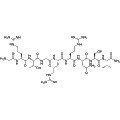
  • H1-7 (histone H1 phosphorylation site), PKA Substrate
    Cat. No.
    A37180

    H1-7 (histone H1 phosphorylation site), PKA Substrate

    H1-7 is a synthetic polypeptide designed as a substrate for protein kinase A (PKA). This compound effectively mimics histone H1 phosphorylation sites, allowing for the study of PKA-mediated phosphorylation processes. Its application is significant in understanding PKA signaling pathways and epigenetic modifications associated with histones in various biological contexts.

    Out of stock

    All 3 sizes
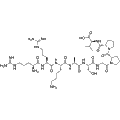
  • PKA Substrate
    Cat. No.
    A37198

    PKA Substrate

    PKA Substrate is a selective peptide designed for the measurement of protein kinase A (PKA) activity. This substrate undergoes phosphorylation in the presence of active PKA, allowing for the detection and quantification of kinase activity in various biological samples. Its utility in biochemical assays makes it an essential tool for researchers investigating PKA-mediated signaling pathways.

    Out of stock

    All 3 sizes
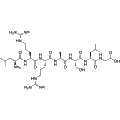
  • Phosphate acceptor peptide
    Cat. No.
    A46246

    Phosphate acceptor peptide

    Phosphate acceptor peptide is a specific substrate for cyclic AMP-dependent protein kinase (PKA), facilitating the study of phosphorylation processes. Additionally, it exhibits weak inhibitory activity against protein kinase C (PKC), making it useful in exploring the mechanisms of kinase signaling pathways. This reagent is applicable in various biochemical assays aimed at understanding cellular signaling and regulation.

    Out of stock

    All 3 sizes

4 Items

Added to your cart

View Cart Checkout

    Loading...