- Cat. No.
- A18963
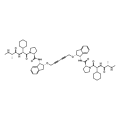
MV1
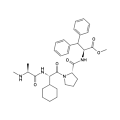
MV1 is an antagonist of IAP (inhibitor of apoptosis protein), leads to protein knockdown of HaloTag-fused proteins when combined with HaloTag ligand.
Search by product name, CAS, target or catalog number. Press Down Arrow to reach product suggestions, Tab to move between links, and Escape to close suggestions.
Apoptosis related compounds affect cell survival indirectly, through metabolism, stress responses or signaling. Unlike the target categories of the Apoptosis section, this mixed set groups compounds by a reported link to cell death rather than by one mechanism. Sodium oxamate, a pyruvate analog, inhibits lactate dehydrogenase (LDH) and is used to study glycolytic metabolism. Zinc protoporphyrin inhibits heme oxygenase 1 (HO-1), an enzyme induced by oxidative stress. Sulforaphane, an isothiocyanate from cruciferous vegetables, activates nuclear factor erythroid 2-related factor 2 (Nrf2) and has been reported to inhibit histone deacetylases. CASIN inhibits the small GTPase cell division cycle 42 (Cdc42). Drugs such as flurbiprofen and metronidazole are also included, so the list is broad.
MV1 is an antagonist of IAP (inhibitor of apoptosis protein), leads to protein knockdown of HaloTag-fused proteins when combined with HaloTag ligand.
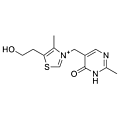
Synonyms: Hydroxythiamin
Oxythiamine, an antimetabolite and a vitamin B1 antagonist, is a well-known thiamine antagonist and inhibitor of transketolase.
AZD5582 is an antagonist of the inhibitor of apoptosis proteins (IAPs), which binds to the BIR3 domains cIAP1, cIAP2, and XIAP with IC50s of 15, 21, and 15 nM, respectively.
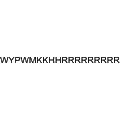
HXR9 is a cell-permeable peptide that functions as a competitive antagonist of the HOX/PBX interaction, disrupting the binding of HOX proteins (paralogues 1–8) to the transcription factor PBX. It selectively inhibits proliferation and induces apoptosis in cells with elevated HOXA/PBX3 expression, such as MLL-rearranged leukemic cells, making it a valuable tool for studying HOX/PBX-driven oncogenesis.
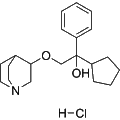
Synonyms: Penequinine hydrochloride
Penehyclidine hydrochloride (also known as Penequinine hydrochloride) is a selective anticholinergic agent that acts as an antagonist of muscarinic M1 and M3 receptors. It exerts anti-inflammatory effects by modulating immune signaling in lung tissue, notably through activation of the NF-κB pathway and inhibition of pro-inflammatory cytokine release. In preclinical studies, Penehyclidine hydrochloride has been shown to alleviate pulmonary inflammation in rat models of chronic obstructive pulmonary disease (COPD), particularly under conditions of mechanical ventilation. These properties suggest its potential utility in managing respiratory inflammatory conditions and improving outcomes in mechanically ventilated patients with COPD.