- Cat. No.
- A11090
PAC-1
Synonyms: first procaspase activating compound
PAC-1 is an activator of procaspase-3 induces apoptosis in cancer cells with EC50 of 2.08 μM.
Search by product name, CAS, target or catalog number. Press Down Arrow to reach product suggestions, Tab to move between links, and Escape to close suggestions.
Caspase inhibitors and activators act on cysteine proteases that cleave their substrates after aspartate residues. Initiator caspases such as caspase-8 and caspase-9 activate executioner caspases, including caspase-3, to dismantle the cell during apoptosis. Caspase-1, the first family member, was identified in 1992 as the protease that processes interleukin-1β (IL-1β). Peptide fluoromethyl ketones (FMKs) are the classic inhibitor type, led by the pan-caspase inhibitor Z-VAD-FMK. Z-DEVD-FMK, Z-IETD-FMK and Z-LEHD-FMK prefer caspase-3, caspase-8 and caspase-9, respectively. Q-VD-OPh is a broad caspase inhibitor, and belnacasan inhibits the inflammatory caspases 1 and 4. PAC-1 works in the opposite direction, as a small molecule that activates procaspase-3.
Synonyms: first procaspase activating compound
PAC-1 is an activator of procaspase-3 induces apoptosis in cancer cells with EC50 of 2.08 μM.
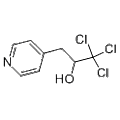
Apoptosis Activator 2 strongly induces caspase-3 activation, PARP cleavage, and DNA fragmentation which leads to the destruction of cells (Apaf-1 dependent) with IC50 of ~4 μM, inactive to HMEC, PREC, or MCF-10A cells
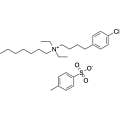
Clofilium tosylate, a potassium channel blocker, induces apoptosis of human promyelocytic leukemia (HL-60) cells via Bcl-2-insensitive activation of caspase-3. Antiarrhythmic agent.
Synonyms: NSC144303
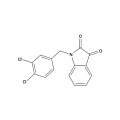
Ubiquitin Isopeptidase Inhibitor I, G5 (NSC 144303) is an apoptosome-independent caspase and apoptosis activator with IC50 values of 1.76 and 1.6 μM in E1A and E1A/C9DN cells, respectively.
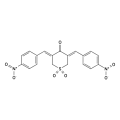
PETCM is an activator of caspase-3 and a stimulator of apoptosome formation in HeLa cell cytosols.
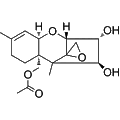
15-Acetoxyscirpenol is a potent caspase activator that induces apoptosis through the activation of multiple caspases, with effects that are independent of caspase-3. This mycotoxin significantly inhibits the growth of Jurkat T cells in a dose-dependent manner. Its ability to modulate apoptosis makes it a valuable tool for research in cancer biology and cell signaling pathways.
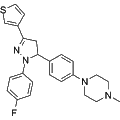
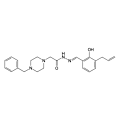
Caspase-3 Activator 2 is a potent activator of caspase-3, a key executioner of apoptosis. This compound effectively induces apoptotic cell death in cancer cell lines, demonstrating cytotoxicity with IC50 values of 33.52 μM against HL-60 cells and 76.90 μM against K562 cells. Its applications are significant in cancer research, particularly in studies investigating apoptotic pathways and therapeutic interventions.
Out of stock
All 3 sizes
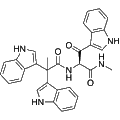
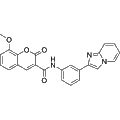
Caspase-3 Activator 4 is a potent activator of caspase-3 that effectively crosses the blood-brain barrier. This compound exhibits significant antiproliferative activity and induces apoptosis in various cell types. Additionally, Caspase-3 Activator 4 enhances the gene expression of TNF-α while reducing the protein expression of cleaved caspases 3, underscoring its potential in apoptosis-related research applications.
Out of stock
All 3 sizes
Apoptosis Inducer 34 is a small molecule compound that functions as a caspase activator by directly stimulating the intrinsic apoptotic pathway. It facilitates the oligomerization of Apaf-1 to generate mature apoptosomes, leading to the activation of caspase-9 and caspase-3. This compound effectively enhances the cytochrome c-dependent apoptotic signaling in Jurkat cells, resulting in PARP cleavage and chromosomal DNA fragmentation. Additionally, Apoptosis Inducer 34 demonstrates low toxicity towards normal cells, indicating its potential for selective targeting of cancer cells and making it a valuable tool for researching apoptosis-related cancer mechanisms.
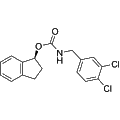
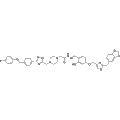
WF-210 is a potent activator of procaspase-3, exhibiting an EC50 value of 0.95 μM. This compound effectively induces apoptosis, making it a valuable tool for studying apoptotic pathways. Additionally, WF-210 demonstrates anti-tumor activity, supporting its application in cancer research and therapeutic investigations.
Procaspase-3/6 activator 1 is a highly selective activator of the executioner procaspases-3 and -6, exhibiting EC50 values of 2.4 ± 0.2 and 2.8 ± 0.3 μM, respectively. This compound does not activate procaspases-1 or -7, making it a valuable tool for investigating apoptotic processes. It is suitable for research applications focused on apoptosis, cell death mechanisms, and therapeutic development targeting caspase pathways.
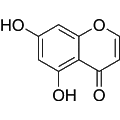
5,7-Dihydroxychromone functions as a caspase activator and exhibits neuroprotective properties by activating the Nrf2/ARE signaling pathway. This compound effectively mitigates oxidative stress and apoptosis induced by 6-hydroxydopamine (6-OHDA) in SH-SY5Y cells. Additionally, 5,7-Dihydroxychromone reduces the expression of activated caspase-3, caspase-9, and cleaved PARP, making it a valuable tool for studying neuroprotection and apoptosis in cellular models.
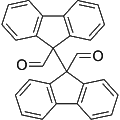
Raptinal is a potent activator of caspase-3, directly initiating the intrinsic pathway of caspase-dependent apoptosis. By rapidly inducing cell death in cancer cells through the direct activation of effector caspase-3, Raptinal effectively bypasses the need for initiator caspase-8 and caspase-9 activation. This unique mechanism makes Raptinal a valuable tool for research in cancer therapy and apoptosis studies.
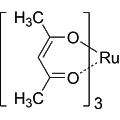
Synonyms: Tris(acetylacetonato)ruthenium (III)
Ru(acac)3 (Tris(acetylacetonato)ruthenium(III)) acts as a caspase-3 activator and apoptosis inducer. This compound demonstrates growth inhibitory effects on various cell lines in vitro, primarily by inhibiting DNA/RNA synthesis and inducing a mild, reversible S-phase cell cycle arrest. Ru(acac)3 is utilized in research focused on ovarian cancer, osteosarcoma, cervical cancer, melanoma, and other oncological studies.
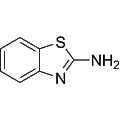
2-Aminobenzothiazole is a potent activator of caspase 3 and 7, functioning as an anticancer agent through its pro-apoptotic properties. This compound initiates the apoptotic cascade by promoting mitochondrial membrane depolarization, resulting in both early and late apoptosis via a caspase-dependent mechanism. In zebrafish models, 2-Aminobenzothiazole has been shown to induce oxidative damage in neuronal tissues while inhibiting genes involved in GABA and serotonin synthesis, leading to deficits in motor abilities, social interactions, and cognitive functions. Its applications extend to research on human laryngeal carcinoma and the investigation of neurotoxic effects.
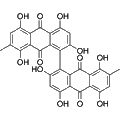
Dicatenarin is a selective activator of caspase-3, playing a crucial role in apoptosis induction. This compound effectively enhances caspase-3 activity, promotes the generation of reactive oxygen species (ROS), and activates the mitochondrial-mediated apoptotic pathway, leading to growth inhibition in various human cancer cell lines. Dicatenarin is applicable in research focused on multiple cancer types, including pancreatic, lung, colon, breast, prostate, and ovarian cancers.
Out of stock
All 3 sizes