- Cat. No.
- AT0106
Emunkitug
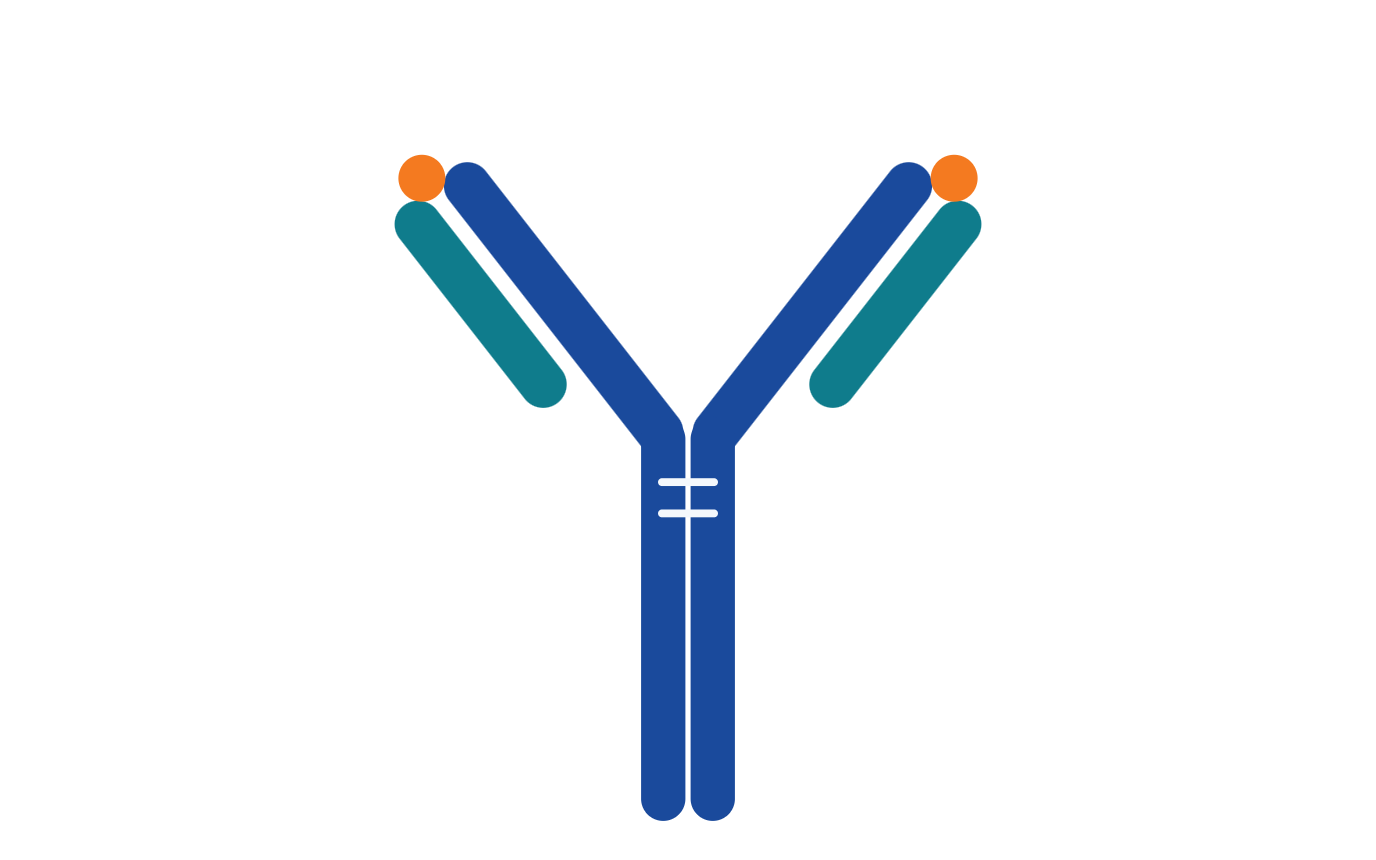
Emunkitug is a humanized IgG1κ monoclonal antibody specifically targeting TNFRSF1B. For experimental control purposes, Human IgG1 kappa Isotype Control is recommended.
Search by product name, CAS, target or catalog number. Press Down Arrow to reach product suggestions, Tab to move between links, and Escape to close suggestions.
Cytokine and chemokine antibodies neutralize soluble mediators or block their receptors in immunology research. Adalimumab, infliximab and golimumab bind tumor necrosis factor alpha (TNF-α), and tocilizumab blocks the interleukin-6 (IL-6) receptor. Secukinumab and ixekizumab neutralize IL-17A, while ustekinumab, guselkumab and risankizumab act on the IL-12 and IL-23 axis. Dupilumab binds IL-4 receptor alpha, tralokinumab and lebrikizumab neutralize IL-13, and mepolizumab and benralizumab act on the IL-5 pathway. Further antibodies target IL-1β, thymic stromal lymphopoietin (TSLP) and chemokine receptors such as CCR4, which mogamulizumab binds.
Emunkitug is a humanized IgG1κ monoclonal antibody specifically targeting TNFRSF1B. For experimental control purposes, Human IgG1 kappa Isotype Control is recommended.
Synonyms: AK 111
Gumokimab (AK 111) is a monoclonal antibody specifically designed to target IL-17A. This antibody effectively inhibits the interaction between IL-17A and its receptor, IL-17R, through competitive binding. It is primarily utilized in research focused on inflammatory conditions such as psoriasis and ankylosing spondylitis, offering a valuable tool for the investigation of the pathophysiological roles of IL-17A in these diseases.
Synonyms: RG4934
Perakizumab (RG4934) is a humanized IgG1κ monoclonal antibody specifically targeting IL-17A, a cytokine implicated in the pathogenesis of various autoimmune disorders. This antibody is utilized primarily in the investigation of autoimmune diseases including psoriatic arthritis, offering a valuable tool for elucidating disease mechanisms and potential therapeutic pathways.
Clazakizumab is a monoclonal antibody designed to target and neutralize interleukin-6 (IL-6), a cytokine implicated in a wide array of inflammatory responses. This antibody exhibits high affinity and specificity for IL-6, making it a valuable tool in the study of cytokine-mediated processes. Clazakizumab has potential applications in the inhibition of the cytokine storm associated with SARS-CoV-2 infection in COVID-19 patients. Additionally, it is utilized in research focused on psoriatic arthritis (PsA) and renal antibody-mediated rejection, providing insights into the therapeutic mechanisms and potential clinical applications in these conditions.
Synonyms: CTL-002
Visugromab (CTL-002) is an IgG4 monoclonal antibody designed to neutralize Growth Differentiation Factor 15 (GDF-15). This antibody has demonstrated synergistic anticancer effects when used in combination with the anti-PD1 antibody Nivolumab. It is particularly effective in treating PD-1/PD-L1 relapsed or refractory metastatic solid tumors, offering a promising therapeutic option for advanced cancer management.
Synonyms: Anti-Human TNF-alpha; Human Antibody
Adalimumab is a recombinant human monoclonal IgG1 antibody that specifically targets and neutralizes tumor necrosis factor alpha (TNF-α). This interaction inhibits the inflammatory response associated with autoimmune diseases, making Adalimumab essential for research in immunology and inflammation.
Synonyms: BAY-103356; CDP-571
Senlizumab is a humanized monoclonal antibody produced in Chinese Hamster Ovary (CHO) cells, specifically designed to bind to TNFSF2/TNFα. This antibody is constructed from human IgG4SP heavy chains and human kappa light chains, exhibiting a predicted molecular weight of approximately 146.9 kDa. For experimental controls, Human IgG4 kappa, Isotype Control is recommended.
Pacibekitug is a human monoclonal antibody of the IgG2κ subclass that specifically targets interleukin-6 (IL-6). For experimental control purposes, it is recommended to use Human IgG2 kappa as an isotype control. This antibody is suitable for a variety of research applications focusing on the biological role and therapeutic targeting of IL-6.
Synonyms: TEV-48574
Duvakitug (TEV-48574) is a humanized IgG1-λ2 monoclonal antibody specifically designed to target TNFSF15/TL1A. It is produced in CHOK1SV cells, which endogenously express glutamine synthetase (GS), optimizing the antibody's expression and stability. This antibody is primarily utilized in research focused on understanding and potentially treating Crohn's Disease (CD), offering significant value for disease model studies and therapeutic development.
Synonyms: AMG 157 (anti-TSLP; MEDI 19929 (anti-TSLP; Tezepelumab-ekko (anti-TSLP
Tezepelumab is a human monoclonal antibody (IgG2λ) designed to bind with high specificity to thymic stromal lymphopoietin (TSLP). By attaching to TSLP, Tezepelumab prevents its interaction with the heterodimeric receptor complex, effectively inhibiting the TSLP-mediated signaling pathway. This antibody is primarily utilized in research focused on severe, uncontrolled asthma, providing a valuable tool for understanding the underlying mechanisms of this condition and exploring potential therapeutic strategies.
Synonyms: Anti-Human IL6R; Humanized Antibody
Tocilizumab, a humanized monoclonal antibody, targets and neutralizes the interleukin-6 receptor (IL-6R). By blocking the interaction of IL-6 with IL-6R, Tocilizumab effectively inhibits both classical and trans-signaling pathways. This antibody is primarily utilized in the therapeutic management of rheumatoid arthritis, leveraging its ability to modulate inflammatory responses. Additionally, Tocilizumab has demonstrated significant efficacy in research focused on severe cases of COVID-19, highlighting its potential in addressing cytokine release syndrome and related complications. This makes it a valuable tool for both clinical and research applications in immune-mediated inflammatory disorders.
Synonyms: PRA023
Tulisokibart (PRA023) is a humanized IgG1-κ monoclonal antibody specifically designed to target TNFSF15, also known as TL1A. This antibody is utilized in the investigation of various inflammatory and fibrotic diseases, including Crohn's Disease and ulcerative colitis. Tulisokibart's specificity for TL1A makes it a valuable tool in the study of the pathogenesis and potential therapeutic interventions for these conditions.
Anifrolumab is a human monoclonal antibody that functions as a type I interferon (IFN) receptor antagonist. By blocking the activity of type I interferons, Anifrolumab serves as a critical tool in the study of systemic lupus erythematosus (SLE). This antibody provides a valuable means for researchers to explore the role of type I IFN in the pathogenesis and potential therapeutic targeting of SLE.
Synonyms: CHI 621
Basiliximab (CHI 621) is a recombinant chimeric murine/human IgG1 monoclonal antibody that targets the interleukin-2 receptor. This antibody is specifically designed for research applications focusing on renal transplantation, providing a valuable tool for investigating immune response modulation in this context.
Synonyms: 64G12
Faralimomab (64G12) is a murine-derived monoclonal antibody of the IgG1 subtype that targets interferon-alpha 1 (IFNA1). It functions as an immunomodulator by binding to IFNA1, thereby potentially modulating immune responses mediated by this cytokine. Faralimomab is utilized in research settings to study the role of IFNA1 in immune regulation and its implications in various inflammatory and autoimmune disorders.
Varokibart (TEV-53275) is a humanized IgG4λ monoclonal antibody designed to specifically target and neutralize interleukin 5 (IL-5). This antibody is engineered for stability and reduced immunogenicity, making it an ideal tool for research focused on the role of IL-5 in eosinophilic disorders and other inflammatory conditions.
Synonyms: Antibody ANB 020
Etokimab, also known as Antibody ANB 020, is a humanized monoclonal antibody specifically designed to target interleukin-33 (IL-33). This antibody is utilized primarily in the study of atopic dermatitis, providing a valuable tool for researchers investigating the pathophysiological mechanisms and potential therapeutic interventions for this condition.
Amdokitug is a human IgG1 κ monoclonal antibody targeting IL-17A. For optimal experimental control, it is recommended to use Human IgG1 kappa as an isotype control.
Synonyms: SCH 900222; MK 3222; Anti-Human IL23 Recombinant Antibody
Tildrakizumab (SCH 900222) is a humanized monoclonal antibody selectively targeting the p19 subunit of interleukin-23 (IL-23), a pivotal cytokine in sustaining the Th17 cell phenotype. This antibody exhibits high affinity for the single-chain IL-23, demonstrated by a dissociation constant (Kd) of 136 pM. Clinically, Tildrakizumab has been shown to be effective in the treatment of moderate to severe plaque psoriasis.
Synonyms: HuZAF; Anti-Human IFNG Recombinant Antibody
Fontolizumab (HuZAF) is a humanized monoclonal antibody that targets interferon-gamma (IFN-γ), serving as an immunosuppressive agent. This antibody is specifically designed for the study of immune response mechanisms in conditions such as Crohn’s disease, providing a valuable tool for researchers investigating the pathophysiology and potential therapeutic interventions for this inflammatory bowel disease.
The Anti-IL-5 Antibody is a humanized antibody produced in Chinese Hamster Ovary (CHO) cells, specifically designed to target interleukin-5 (IL-5). This antibody is constructed from human IgG4 heavy chains and human kappa light chains, and exhibits a predicted molecular weight of 150 kDa. For experimental control purposes, the appropriate isotype control is Human IgG4 kappa. This product is ideal for research applications focusing on the biological roles and regulatory mechanisms of IL-5 in immune responses and inflammatory processes.
Synonyms: CNTO-148
Golimumab (CNTO-148) is a potent monoclonal antibody of the human IgG1 subclass that functions as a TNFα antagonist. It exhibits anti-inflammatory properties by inhibiting the production of interleukins IL-6 and IL-1β. The mechanism of action of Golimumab involves targeting and neutralizing tumor necrosis factor (TNF), thereby preventing inflammation and the associated degradation of cartilage and bone. Additionally, Golimumab demonstrates anticancer properties through the induction of cell apoptosis. This antibody is applicable in the research of rheumatoid arthritis, Crohn's disease, and various cancers, providing a valuable tool for both basic research and therapeutic development.
Synonyms: ALX 0761; M 1095
Sonelokimab (ALX 0761) is a trivalent bispecific nanobody that incorporates camel-derived, humanized antibodies targeting IL-17F and IL-17A/F, along with antibodies specific to serum albumin VHH. This configuration enhances the plasma half-life of the molecule through its interaction with human serum albumin. Sonelokimab is primarily utilized in research focused on inflammatory conditions such as rheumatoid arthritis and psoriasis, offering a valuable tool for investigating the pathophysiology and potential therapeutic interventions for these diseases.
Synonyms: ASLAN004; CSL-334; MK-6105
Eblasakimab, also known as ASLAN004 and CSL-334, is a human IgG4 monoclonal antibody designed to specifically bind to the interleukin 13 receptor alpha 1 (IL13RA1). This antibody is produced in CHO-K1 cells, ensuring high fidelity and stability in its expression. Eblasakimab holds significant potential for therapeutic applications in diseases mediated by the IL-13 pathway, such as asthma and other allergic disorders.
Synonyms: E-6071; HGS-1035
GSK-3050002 (E-6071) is a humanized monoclonal antibody produced in Chinese Hamster Ovary (CHO) cells, specifically designed to target CCL20. This antibody is comprised of a human IgG1 heavy chain and a human kappa light chain, and has a predicted molecular weight of 150 kDa. For experimental control purposes, Human IgG4 kappa, Isotype Control is recommended.