Nucleoside Antimetabolite/Analog

Nucleoside analogs and antimetabolites are modified nucleosides resembling the natural building blocks of DNA and RNA. Changes to the base or the sugar let them interfere with nucleotide metabolism and nucleic acid synthesis. After phosphorylation in cells, many are incorporated into DNA or RNA, or inhibit polymerases and cause chain termination. Cytarabine hydrochloride, which carries an arabinose sugar, is used to study inhibition of DNA synthesis. Zalcitabine, a dideoxynucleoside, is used in research on viral reverse transcriptase. The category also covers naturally modified nucleosides such as 3-methylcytidine and N6,N6-dimethyladenosine. These serve as reference compounds in studies of RNA modification and DNA damage.

Items 51-63 of 63

  • UTPαS
    Cat. No.
    A56701

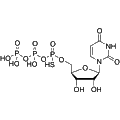
    UTPαS

    UTPαS is a nucleoside analog that serves as a crucial monomeric substrate for nucleic acid synthesis. It is instrumental in various research applications, particularly in the study of RNA metabolism and the development of RNA-based therapeutics. UTPαS facilitates the incorporation of modified nucleotides into nucleic acids, enabling researchers to explore new avenues in molecular biology and genetic engineering.

    Out of stock

    All 3 sizes
  • 5'-O-Bz-rA(Bz)
    Cat. No.
    A56722

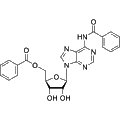
    5'-O-Bz-rA(Bz)

    5'-O-Bz-rA(Bz) is a nucleoside analog that serves as a monomeric substrate for nucleic acid synthesis. This compound is crucial in the development of oligonucleotides and assists in the study of nucleic acid structures and functions. Its incorporation into nucleic acid constructs can facilitate research in areas such as gene expression, RNA processing, and therapeutic applications.

    Out of stock

    All 3 sizes
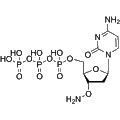
  • 3'-ONH₂-dCTP
    Cat. No.
    A56736

    3'-ONH₂-dCTP

    3'-ONH₂-dCTP is a nucleoside analog that serves as a substrate for DNA polymerases during nucleic acid synthesis. Its modified structure allows for incorporation into DNA, facilitating the study of biological processes and enabling the development of novel therapeutic strategies. This reagent is valuable for research applications in genetics, molecular biology, and biotechnology.

    Out of stock

    All 3 sizes
  • Biotin-16-aminoallyluridine-5'-triphosphate
    Cat. No.
    A56752

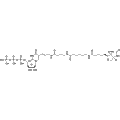
    Biotin-16-aminoallyluridine-5'-triphosphate

    Biotin-16-aminoallyluridine-5'-triphosphate is a nucleoside analog that serves as a valuable substrate for RNA synthesis. This compound is utilized in various biochemical applications, including the labeling of nucleic acids, facilitating the detection and quantification of RNA molecules. Its incorporation into RNA can enhance the stability and functionality of synthesized transcripts for research purposes.

    Out of stock

    All 3 sizes
  • 2'-F-CMP
    Cat. No.
    A56754

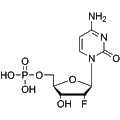
    2'-F-CMP

    2'-F-CMP is a nucleoside analog that serves as a substrate for the synthesis of oligonucleotides. Its incorporation into RNA sequences mimics the natural nucleotides, allowing for studies in RNA function and stability. This reagent is valuable in molecular biology research for generating modified oligonucleotides that confer unique properties in therapeutic and diagnostic applications.

    Out of stock

    All 3 sizes
  • (2'OMe-5'p(S)-A)pG
    Cat. No.
    A56767

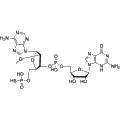
    (2'OMe-5'p(S)-A)pG

    (2'OMe-5'p(S)-A)pG is a nucleoside analog that serves as a monomeric substrate for nucleic acid synthesis. Its modified structure enhances stability and improves enzymatic properties, making it valuable for applications in RNA research and therapeutic development. This reagent is ideal for constructing modified oligonucleotides that can facilitate studies in gene expression, RNA interference, and other nucleic acid-related fields.

    Out of stock

    All 3 sizes
  • 3'-ONH2-dATP
    Cat. No.
    A56768

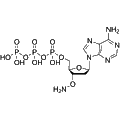
    3'-ONH2-dATP

    3'-ONH2-dATP is a nucleoside analog that serves as a substrate for DNA polymerase during nucleic acid synthesis. Its unique amine modification enhances the structural diversity of oligonucleotides, making it a valuable tool in research applications including genetic engineering, molecular cloning, and the development of modified nucleic acids. This reagent is ideal for studies investigating the effects of nucleotide modifications on enzymatic activity and stability of nucleic acids.

    Out of stock

    All 3 sizes
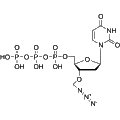
  • 3′-O-Azidomethyl-dUTP
    Cat. No.
    A56769

    3′-O-Azidomethyl-dUTP

    3′-O-Azidomethyl-dUTP is a nucleoside analog that serves as a substrate for nucleic acid synthesis. Its azide functionality allows for the incorporation into DNA strands, facilitating the introduction of modifications in genetic studies. This reagent is valuable for applications such as the synthesis of modified oligonucleotides and in bioconjugation techniques to visualize or manipulate nucleic acids in various research settings.

    Out of stock

    All 3 sizes
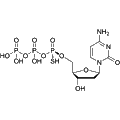
  • Rp-dCTPαS
    Cat. No.
    A56773

    Rp-dCTPαS

    Rp-dCTPαS is a nucleoside analog that serves as a monomeric substrate for nucleic acid synthesis. It plays a crucial role in the study of DNA and RNA polymerization mechanisms and is utilized in various applications such as mutagenesis, primer extension, and the synthesis of modified nucleic acids. This compound is an essential tool for researchers working in molecular biology and genetics.

    Out of stock

    All 3 sizes
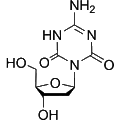
  • 5-Aza-2'-deoxy-6-oxo cytidine
    Cat. No.
    A56779

    5-Aza-2'-deoxy-6-oxo cytidine

    5-Aza-2'-deoxy-6-oxo cytidine is a nucleoside analog that serves as a valuable substrate for nucleic acid synthesis. This compound possesses structural modifications that enhance its stability and incorporation into DNA, making it a useful tool for studies involving epigenetics and gene expression regulation. Applications include the investigation of DNA methylation processes and the development of therapeutic strategies targeting nucleic acid sequences.

    Out of stock

    All 3 sizes
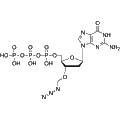
  • 3'-Azidomethyi-dGTP
    Cat. No.
    A56794

    3'-Azidomethyi-dGTP

    3'-Azidomethyl-dGTP is a nucleoside analog that acts as a substrate for nucleic acid synthesis. This compound is utilized in various applications, including the incorporation of modified nucleotides in oligonucleotides and the study of nucleic acid interactions. Its unique azido group allows for bioorthogonal reactions, making it valuable for advanced bioconjugation techniques in molecular biology research.

    Out of stock

    All 3 sizes
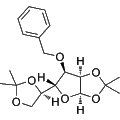
  • 3-O-Benzyl-1,2:5,6-di-O-isopropylidene-a-D-allofuranose
    Cat. No.
    A89738

    3-O-Benzyl-1,2:5,6-di-O-isopropylidene-a-D-allofuranose

    Synonyms: 1,2:5,6-di-O-Isopropylidene-3-O-benzyl-α-D-allofuranose

    3-O-Benzyl-1,2:5,6-di-O-isopropylidene-α-D-allofuranose is a nucleoside analog that serves as a valuable tool for studying nucleic acid metabolism and synthesis. Its structural modifications enable the exploration of substrate interactions with nucleoside kinases and other enzymes involved in nucleic acid processing. This compound is utilized in biochemical research to investigate nucleoside transport, antiviral drug development, and the mechanisms of nucleic acid-related diseases.

    250 mg
    $20.00
    1 g
    $45.00
    All 3 sizes
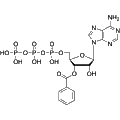
  • 3′-O-Benzoyl-ATP
    Cat. No.
    A96177

    3′-O-Benzoyl-ATP

    Synonyms: 3′-O-Benzoyladenosine 5′-triphosphate

    3′-O-Benzoyl-ATP is a nucleotide analog that features a benzoyl modification at the 3' position of adenosine triphosphate (ATP). This compound exhibits key biological activity as a substrate for protein kinases and other ATP-dependent enzymes, which makes it invaluable in cellular and molecular biology research. It is widely utilized in studies involving phosphorylation processes, enzyme assays, and the exploration of nucleotide transport mechanisms.

    Out of stock

    All 3 sizes

Items 51-63 of 63

Added to your cart

View Cart Checkout

    Loading...