- Cat. No.
- A20918
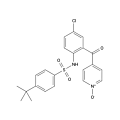
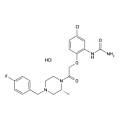
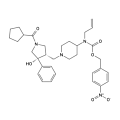
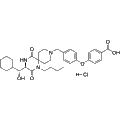
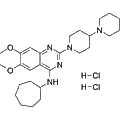
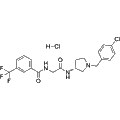
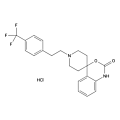
RS102895 hydrochloride
Synonyms: RS 102895
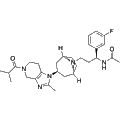
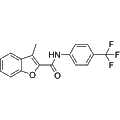
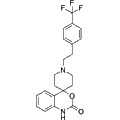
RS102895 hydrochloride is a potent CCR2 antagonist, with an IC50 of 360 nM, and shows no effect on CCR1.
Search by product name, CAS, target or catalog number. Press Down Arrow to reach product suggestions, Tab to move between links, and Escape to close suggestions.
CC chemokine receptor (CCR) antagonists block G protein-coupled receptors that guide leukocyte migration. CCR2, a receptor for monocyte chemoattractant protein 1 (MCP-1), was cloned in 1994 as two splice variants. CCR5 was identified in 1996 as a fusion cofactor for macrophage-tropic human immunodeficiency virus type 1 (HIV-1). Maraviroc, described in 2005 as a selective small-molecule CCR5 inhibitor, blocks this route of viral entry. Other CCR5 antagonists include vicriviroc malate and aplaviroc, while INCB3344 and MK-0812 target CCR2. Cenicriviroc blocks both CCR2 and CCR5, and GSK2239633A is a CCR4 antagonist for studies of T cell trafficking.
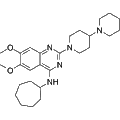
Synonyms: RS 102895
RS102895 hydrochloride is a potent CCR2 antagonist, with an IC50 of 360 nM, and shows no effect on CCR1.
Synonyms: GSK-1605786; CCX282-B; Traficet-EN
Vercirnon (GSK-1605786) is an orally bioavailable, selective, and potent antagonist of CCR9, with an IC50 of 10 nM, used in the research of inflammatory bowel diseases.
Synonyms: ZK-811752 hydrochloride; ZK811752; TAK 659
BX471 hydrochloride (ZK-811752 hydrochloride) is a potent, selective non-peptide CCR1 antagonist with Ki of 1 nM for human CCR1, and exhibits 250-fold selectivity for CCR1 over CCR2, CCR5 and CXCR4.
Synonyms: TD-0232
Nifeviroc is a CCR5 antagonist potentially for treatment of inflammatory responses to HIV type-1 infection
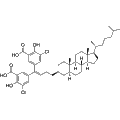
Synonyms: NSC 658586
Cosalane is a dual antagonist of the chemokine receptors CCR7 (IC50 = 2.43 μM) and CXCR2 (IC50 = 0.66 μM). This compound effectively inhibits HIV replication across a variety of strains, including HIV-1, HIV-2, Rauscher murine leukemia virus, as well as herpes simplex viruses HSV-1 and HSV-2, and human cytomegalovirus. Cosalane disrupts the interaction between gp120 and CD4, inhibiting signaling downstream of CCR7 in response to its ligands CCL19 and CCL21. Research applications include studies on HIV and the potential modulation of acute graft-versus-host disease in allogeneic hematopoietic stem cell transplantation.
Synonyms: AK602 hydrochloride; GSK-873140 hydrochloride; GW-873140 hydrochloride
Aplaviroc hydrochloride is a potent CCR5 antagonist targeting the CCR5 co-receptor. It demonstrates biological activity with IC50 values ranging from 0.1 to 0.4 nM against various HIV-1 strains, including HIV-1Ba-L, HIV-1JRFL, and HIV-1MOKW. This compound is valuable for research applications focused on HIV entry inhibition and the development of antiviral therapies.
Synonyms: SCH-351125
Ancriviroc is a small molecule CCR5 antagonist that demonstrates potent antiviral activity against various HIV-1 isolates that utilize CCR5 as an entry coreceptor, with IC50 values ranging from 0.4 to 9 nM. This compound effectively inhibits the replication of R5-utilizing HIV-1 strains in the SCID-hu Thy/Liv mice model of HIV-1 infection. Ancriviroc is a valuable tool for research focused on HIV infection and the exploration of therapeutic strategies targeting CCR5.
INCB9471 is a potent and selective CCR5 antagonist that serves as a critical resource for HIV-1 research. This orally active compound effectively inhibits CCR5-mediated entry of HIV-1 into host cells, demonstrating significant anti-HIV-1 activity. Its targeted mechanism of action makes INCB9471 a valuable tool for studying HIV pathogenesis and developing therapeutic strategies against HIV infection.
Synonyms: SCH 417690; SCH-D; MK-7690 free base
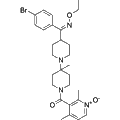
Vicriviroc is a potent CCR5 antagonist with an IC50 of 10 nM. It effectively inhibits the release of MIP-1α and intracellular calcium levels induced by the ligand RANTES, with IC50 values of 0.91 nM and 16 nM, respectively. Vicriviroc is primarily utilized in research related to human immunodeficiency virus type 1 (HIV-1) infection and holds potential for cancer studies.
PF-232798 is an orally bioavailable antagonist of the CCR5 receptor, primarily known for its role in HIV entry into cells. By blocking CCR5, PF-232798 demonstrates efficacy in inhibiting HIV replication and offers potential applications in antiviral research. Its selective activity makes it a valuable tool for studying HIV pathogenesis and developing new therapeutic strategies against the virus.
Out of stock
All 3 sizes
E913 is a selective antagonist of the CCR5 receptor, effectively inhibiting the binding of macrophage inflammatory protein-1alpha (MIP-1alpha) to CCR5 with an IC50 of 0.002 μM. This compound also blocks MIP-1alpha-induced cellular Ca2+ mobilization, demonstrating an IC50 of 0.02 μM. E913 significantly suppresses the replication of both laboratory and primary R5 HIV-1 strains, including multidrug-resistant variants, with IC50 values ranging from 0.03 to 0.06 μM. This reagent is valuable for research into HIV-1 infection and related mechanisms of immune response.
Out of stock
All 3 sizes
GSK-214096 is a selective CCR5 antagonist that inhibits HIV-1 entry through the blockade of the virus's glycoprotein 120 (gp120). By targeting the CCR5 co-receptor, this compound plays a critical role in interrupting HIV-1 infection pathways. It is valuable for research applications focused on HIV-1 biology and therapeutic discovery.
Out of stock
All 3 sizes
SB-328437 is a selective non-peptide antagonist of the CCR3 receptor, demonstrating an IC50 of 4.5 nM. This compound effectively inhibits eosinophil migration induced by eotaxin, eotaxin-2, and monocyte chemotactic protein-4, making it valuable in studies of allergic inflammation. Additionally, SB-328437 has shown the ability to sensitize 5-FU-resistant gastric cancer cells and reduce neutrophil recruitment to the lungs, thus mitigating pulmonary inflammation during acute inflammatory responses. Its applications extend to the investigation of various inflammation-related diseases.
IDOR-1117-2520 is a potent and selective reversible antagonist targeting CCR6. It effectively inhibits CCL20-mediated calcium influx with an IC50 of 63 nM and blocks β-arrestin recruitment to human CCR6, showing an IC50 of 30 nM in recombinant cell models. As a substrate of P-glycoprotein/MDR1, IDOR-1117-2520 is a valuable tool for investigating autoimmune diseases and skin inflammation in research settings.
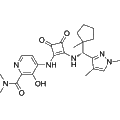
CCR6 antagonist 1 is a selective antagonist of the CCR6 receptor, effectively inhibiting the CCL20/CCR6 signaling pathway. This compound is instrumental in research focusing on autoimmune-mediated inflammatory diseases, particularly inflammatory bowel diseases (IBDs). Its role in modulating the CCR6 axis provides insights into potential therapeutic strategies for managing such conditions.
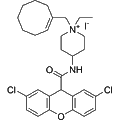
Synonyms: RS102895; MLJS-21001
Abaucin is a potent CCR2 antagonist, demonstrating an IC50 of 360 nM. It selectively inhibits CCR2 without affecting CCR1, making it a valuable tool for studying immunological responses and inflammatory processes. Abaucin is applicable in research focusing on the role of CCR2 in disease models and therapeutic interventions targeting chemokine receptors.
Synonyms: CCR7-Cmp2105
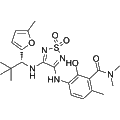
CCR7 Ligand 1 is a potent allosteric antagonist targeting the human CC chemokine receptor 7 (CCR7), with a dissociation constant (Kd) of 3 nM. This thiadiazole-dioxide compound effectively inhibits arrestin binding upon CCL19 activation, exhibiting an IC50 of 7.3 μM. CCR7 Ligand 1 is valuable for research applications focused on immune response modulation, chemokine signaling pathways, and therapeutic development for related conditions.
J-113863 is a potent and selective antagonist of the CCR1 receptor, demonstrating IC50 values of 0.9 nM and 5.8 nM for human and mouse CCR1, respectively. Additionally, it acts as a strong antagonist of the human CCR3 receptor (IC50 of 0.58 nM), while exhibiting weak antagonistic activity against mouse CCR3 (IC50 of 460 nM). J-113863 shows inactivity toward CCR2, CCR4, and CCR5, as well as LTB4 and TNF-α receptors. This compound is primarily utilized in anti-inflammatory research applications.
C-021 dihydrochloride is a highly effective antagonist of the CC chemokine receptor-4 (CCR4). It significantly inhibits chemotaxis in both human and mouse models, exhibiting IC50 values of 140 nM and 39 nM, respectively. Additionally, C-021 dihydrochloride demonstrates capability in preventing the binding of human CCL22-derived [35S]GTPγS to CCR4, with an IC50 of 18 nM. This compound is valuable for research applications focused on immune response modulation and related therapeutic strategies.
PF-07054894 is a potent and orally active antagonist of the C-C Chemokine Receptor 6 (CCR6), effectively blocking CCR6-mediated chemotaxis with an IC50 of 5.7 nM in vitro. As a target of G protein-coupled receptors (GPCRs), PF-07054894 demonstrates significant potential in the study of inflammatory bowel disease and related immunological disorders, providing a valuable tool for understanding CCR6’s role in inflammation.
C-021 is a potent antagonist of the CC chemokine receptor-4 (CCR4). It effectively inhibits functional chemotaxis in both human and mouse models, exhibiting IC50 values of 140 nM and 39 nM, respectively. Additionally, C-021 demonstrates strong efficacy in blocking the binding of human CCL22-derived [35S]GTPγS to CCR4, with an IC50 of 18 nM. This compound is valuable for research applications focused on immune response modulation and cancer biology.
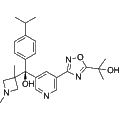
BI-6901 is a potent and selective antagonist of the CCR10 receptor, exhibiting a pIC50 of 9.0. It demonstrates high selectivity among various GPCRs, including multiple chemokine receptors. BI-6901 has shown efficacy in the murine DNFB model of contact hypersensitivity, making it a valuable tool in inflammation research.
INCB 3284 is a selective and potent antagonist of the human CCR2 receptor, functioning by inhibiting the binding of monocyte chemoattractant protein-1 to hCCR2, with an IC50 value of 3.7 nM. This compound is of particular interest in studies related to acute liver failure, providing insights into the role of CCR2 signaling in inflammatory processes. Its oral bioavailability makes it a valuable tool for in vivo research applications.
Synonyms: FLX475
Tivumecirnon is a selective CCR4 antagonist that functions by blocking the interaction of CCR4 with its ligands, CCL17 and CCL22. This mechanism reduces the infiltration of regulatory T cells (Tregs) into the tumor microenvironment, thereby enhancing antitumor activity. It is useful for research applications aimed at understanding immune modulation in cancer therapy.
Synonyms: Teijin compound 1 hydrochloride
CCR2 antagonist 4 hydrochloride is a selective antagonist targeting the CCR2b receptor, exhibiting a potent inhibitory effect with an IC50 value of 180 nM. This compound effectively reduces MCP-1-induced chemotaxis, with an IC50 of 24 nM, making it a valuable tool for studying inflammatory pathways. Its application in research includes investigations into immune responses and the role of CCR2 in various disease models, particularly those related to monocyte migration and chronic inflammation.