- Cat. No.
- A15585
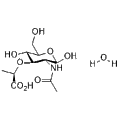
Aceneuramic acid hydrate
Synonyms: NPC-09; Ace-ER; UX-001; Neu-5Ac; SA-ER
Aceneuramic acid is an immunomodulator potentially for treatment of hereditary inclusion body myopathy (HIBM).
Search by product name, CAS, target or catalog number. Press Down Arrow to reach product suggestions, Tab to move between links, and Escape to close suggestions.
Immunology and inflammation related compounds in this category range from corticosteroids to plant-derived agents. The set is mixed, holding compounds that have no more specific target category in the Immunology & Inflammation section. Synthetic glucocorticoids are represented by triamcinolone acetonide, used to study suppression of inflammatory gene expression. Flufenamic acid is a fenamate that inhibits cyclooxygenase (COX) and also acts on several ion channels. CORM-3 is a water-soluble carbon monoxide-releasing molecule for studies of carbon monoxide signaling in inflammation. Natural products include the triterpenoid saponin saikosaponin A and the alkaloid ligustrazine. Compounds with a defined target are often listed in neighboring categories such as COX.
Synonyms: NPC-09; Ace-ER; UX-001; Neu-5Ac; SA-ER
Aceneuramic acid is an immunomodulator potentially for treatment of hereditary inclusion body myopathy (HIBM).
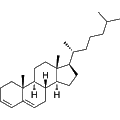
Synonyms: delta-3,5-Cholestadiene
Cholesta-3,5-diene is an inflammatory modulator that primarily targets immune cells, including neutrophils, to enhance wound healing processes. It facilitates neutrophil chemotaxis and fibroblast migration by activating chemokine receptor-mediated signaling pathways, such as the PI3K/Akt pathway. This compound can be utilized in topical applications for wound repair and exhibits potential therapeutic benefits in managing chronic ulcers and skin lesions.
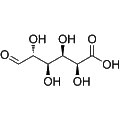
Synonyms: G2013
Guluronic acid is an oxidative stress modulator and anti-inflammatory agent. It functions by down-regulating pro-inflammatory genes such as TLR4, NF-κB, and iNOS, while inhibiting COX-2, MMPs, and VEGF activity. This compound promotes the up-regulation of immunoregulatory genes including SHIP1 and SOCS1, thereby mitigating cancer-related inflammation, tumor angiogenesis, cell adhesion, and metastasis, while decreasing immunosuppressive cell accumulation. Guluronic acid has demonstrated potential in extending survival times in tumor-bearing hosts within a non-cytotoxic concentration range and has applications in research related to multiple sclerosis, ankylosing spondylitis, breast cancer, and other inflammatory diseases.