Other Lipids

Other Lipids lists lipid-related compounds that fall outside the five main lipid classes of this section. Phenolic lipids are represented by 5-heptadecylresorcinol, an alkylresorcinol with a long saturated side chain that occurs in cereal bran. Linoleic acid derivatives include cis-coronaric acid, an epoxy fatty acid, and octadeca-9,12-dienamide, a primary fatty acid amide. 11-cis-Vaccenyl acetate is a fatty acyl ester that acts as a male pheromone in the fruit fly Drosophila melanogaster. ONO-4007 is a synthetic analog of lipid A, the glycolipid anchor of bacterial lipopolysaccharide. Riboflavin tetrabutyrate, a lipophilic ester of riboflavin (vitamin B2), is listed as well. Some entries are not lipids, such as plozasiran, a small interfering RNA (siRNA) directed at apolipoprotein C-III (APOC3).

Items 26-50 of 70

  • Gemfibrozil glucoside
    Cat. No.
    A89914

    Gemfibrozil glucoside

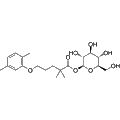
    Gemfibrozil glucoside is a glycoside derivative of Gemfibrozil that primarily targets lipid metabolism. It exhibits lipid-lowering properties, making it relevant in studies focused on dyslipidemia and cardiovascular health. This compound can be utilized in research applications aimed at understanding the mechanisms of lipid regulation and the therapeutic potential of glycosides in metabolic disorders.

    Out of stock

    All 3 sizes
  • 16:0-18:1 DG Glucose
    Cat. No.
    A90005

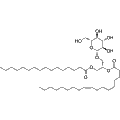
    16:0-18:1 DG Glucose

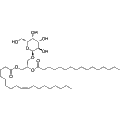
    16:0-18:1 DG Glucose is a glycosylated diacyl glycerol that primarily targets lipid metabolism. This compound plays a crucial role in cellular signaling and energy storage processes. It is utilized in research applications focused on lipid biochemistry, metabolic pathways, and membrane dynamics.

    Out of stock

    All 3 sizes
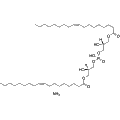
  • 18:1 BMP (S,R) ammonium
    Cat. No.
    A90008

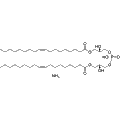
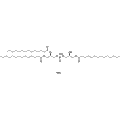
    18:1 BMP (S,R) ammonium

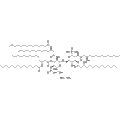
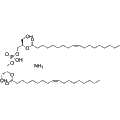
    18:1 BMP (S,R) ammonium is a bis(monoacylglycero)phosphate (BMP) that targets lipid metabolism. It plays a crucial role in cellular signaling and membrane dynamics, contributing to the regulation of lipid bilayer properties. This compound is useful in research applications focused on lipid biology, membrane structure, and cellular processes involving phospholipid interactions.

    1 mg
    $320.00
    5 mg
    $815.00
    All 2 sizes
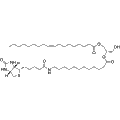
  • 18:1-12:0 Biotin DG
    Cat. No.
    A90079

    18:1-12:0 Biotin DG

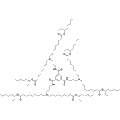
    18:1-12:0 Biotin DG is a biotinylated lipid that functions primarily as an anchoring molecule in lipid-based assays. This compound facilitates the study of lipid dynamics and interactions in cellular membranes, making it valuable for research in cellular biology and biochemistry. Its unique structure enables biotin-mediated capture and detection in various experimental setups, providing insights into lipid function and metabolism.

    Out of stock

    All 3 sizes
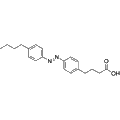
  • Trans-faazo-4
    Cat. No.
    A90142

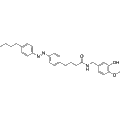
    Trans-faazo-4

    Trans-FAAzo-4 is a photo-switchable lipid analogue utilized in photo-pharmacology. This compound modulates membrane lateral pressure, effectively influencing the opening and closing of mechanosensitive ion channels. Its innovative design enables researchers to study dynamic cellular processes and manipulate membrane behavior with light, making it a valuable tool for examining membrane biology and ion channel regulation.

    Out of stock

    All 3 sizes
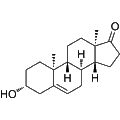
  • ent-DHEA
    Cat. No.
    A90192

    ent-DHEA

    Synonyms: ent-Dehydroepiandrosterone

    ent-DHEA is an enantiomer of dehydroepiandrosterone (DHEA), a dominant steroid hormone involved in lipid metabolism. This compound facilitates research into steroidogenesis and its effects on lipid profiles, making it a valuable tool for studies on metabolic disorders and hormonal regulation. Its unique structure allows for exploration of enantiomer-specific biological pathways, providing insights into DHEA's role in endocrine function.

    Out of stock

    All 3 sizes
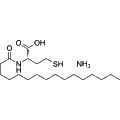
  • N-Palmitoyl homocysteine (PHC) ammonium
    Cat. No.
    A90539

    N-Palmitoyl homocysteine (PHC) ammonium

    Synonyms: PHCPamHcy

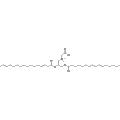
    N-Palmitoyl homocysteine (PHC) ammonium is a pH-sensitive lipid that undergoes cleavage in endosomal environments, particularly at pH 5.5. This property makes PHC useful for studies involving intracellular delivery systems and drug release mechanisms. Its ability to respond to specific pH conditions enables research into lipid-mediated cellular processes and potential therapeutic applications in targeted drug delivery.

    Out of stock

    All 3 sizes
  • 4ME 16:0 Diether DG
    Cat. No.
    A90844

    4ME 16:0 Diether DG

    4ME 16:0 Diether DG is a diphytanoyl lipid that serves as a key component in lipid research. It is commonly utilized in studies involving membrane biophysics and the characterization of lipid-protein interactions. This compound plays an important role in exploring the effects of lipid composition on cellular functions and signaling pathways.

    Out of stock

    All 3 sizes
  • Lipid A (14:0(5)-iso15:0(1)) diammonium
    Cat. No.
    A90890

    Lipid A (14:0(5)-iso15:0(1)) diammonium

    Lipid A (14:0(5)-iso15:0(1)) diammonium is a lipid molecule that acts as an immunostimulatory adjuvant. This compound enhances the immune response, making it a valuable tool in vaccine development and research related to immune system activation. Its ability to stimulate innate immune responses makes it particularly useful in studies of host-pathogen interactions and immunotherapy applications.

    Out of stock

    All 3 sizes
  • BbGL-2
    Cat. No.
    A91069

    BbGL-2

    BbGL-2 is a glycosylated diacyl glycerol that serves as an antigenic compound. Its primary mechanism involves targeting lipid components, making it a promising candidate for vaccine development against Lyme disease. BbGL-2's biological activity includes the potential to elicit an immune response, facilitating research into novel vaccination strategies and understanding the pathogenesis of Lyme disease.

    Out of stock

    All 3 sizes
  • CP-LC-1067
    Cat. No.
    A91137

    CP-LC-1067

    CP-LC-1067 is a certified lipid that plays a significant role in cellular membrane structure and function. This compound is primarily used in lipid research and studies related to membrane dynamics, lipid metabolism, and signaling pathways. Its biological activity supports the exploration of lipid-related diseases and therapeutic interventions, making it a valuable reagent for researchers in the field of biochemistry and molecular biology.

    Out of stock

    All 3 sizes
  • 18:1 BMP (R,R) ammonium
    Cat. No.
    A91288

    18:1 BMP (R,R) ammonium

    Synonyms: 18:1 LBPA (R,R)

    18:1 BMP (R,R) ammonium is a bis(monoacylglycero)phosphate that targets lipid metabolism. It plays a crucial role in membrane biophysics and cellular signaling pathways. This compound is utilized in research to study lipid interactions and their effects on cellular functions, making it valuable for investigations in lipid biology and membrane dynamics.

    Out of stock

    All 3 sizes
  • trans-AzCA4
    Cat. No.
    A91311

    trans-AzCA4

    trans-AzCA4 is a photoswitchable lipid that serves as a versatile tool for studying membrane dynamics and cellular processes. Its unique ability to undergo conformational changes in response to light allows for precise control of lipid organization and function in biomimetic systems. This compound is invaluable for researchers investigating lipid behavior, membrane trafficking, and the role of lipids in cellular signaling pathways.

    Out of stock

    All 3 sizes
  • CP-LC-1421
    Cat. No.
    A91521

    CP-LC-1421

    CP-LC-1421 is a synthetic lipid that serves as a key component in lipid-based formulations. This reagent is essential for studying lipid metabolism and membrane dynamics in various biological contexts. Its unique properties make it suitable for applications in drug delivery systems and nanomedicine research, facilitating a better understanding of lipid interactions within cellular environments.

    Out of stock

    All 3 sizes
  • VL-6
    Cat. No.
    A91664

    VL-6

    VL-6 is a lipid tail designed for the synthesis of biomimetic nanomaterials. It facilitates the targeted delivery of therapeutic, diagnostic, and prophylactic agents, enhancing the efficacy of various biomedical applications. Researchers utilize VL-6 for the development of advanced drug delivery systems and nanocarriers, promoting personalized medicine and improved therapeutic outcomes.

    Out of stock

    All 3 sizes
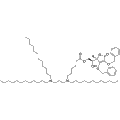
  • C6(6-Azido) GluCer
    Cat. No.
    A91910

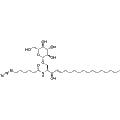
    C6(6-Azido) GluCer

    C6(6-Azido) GluCer is a lipid featuring an omega-terminal azide, serving as a versatile click chemistry reagent. It is capable of undergoing copper-catalyzed azide-alkyne cycloaddition (CuAAc) reactions with alkyne-containing molecules. Additionally, C6(6-Azido) GluCer participates in strain-promoted alkyne-azide cycloaddition (SPAAC) reactions with compounds containing DBCO or BCN groups. This functionality allows for the selective labeling and modification of lipid molecules in various biological research applications.

    Out of stock

    All 3 sizes
  • 14:0 Hemi BMP (S,R) ammonium
    Cat. No.
    A92219

    14:0 Hemi BMP (S,R) ammonium

    14:0 Hemi BMP (S,R) ammonium is a bis(monoacylglycero)phosphate (BMP) known for its role in lipid metabolism. This compound exhibits significant biological activity, particularly in modulating membrane dynamics and influencing cellular signaling pathways. It is utilized in research applications related to membrane biology, lipid metabolism studies, and the exploration of cellular processes influenced by phospholipid interactions.

    Out of stock

    All 3 sizes
  • Polyprenol (13~21)
    Cat. No.
    A92253

    Polyprenol (13~21)

    Synonyms: Polyprenol mixture (13~21)

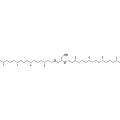
    Polyprenol (13~21) is a neutral lipid composed of a mixture of polyprenols. It plays a critical role in various biological processes, including the synthesis of glycoproteins and the regulation of cellular signaling pathways. Polyprenol is utilized in research applications focused on lipid metabolism, membrane dynamics, and the study of glycosylation pathways, offering insights into cellular function and disease mechanisms.

    Out of stock

    All 3 sizes
  • C18(Plasm) MG
    Cat. No.
    A92451

    C18(Plasm) MG

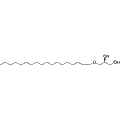
    C18(Plasm) MG is a glyceride that primarily targets lipid metabolism. Its structural properties make it a valuable reagent for studying lipid biosynthesis and metabolism in various biological systems. This compound is commonly utilized in research involving cell culture and lipid profiling, contributing to insights on lipid-related diseases and therapies.

    Out of stock

    All 3 sizes
  • Beta-D-mannosyl farnesyl phosphate ammonium
    Cat. No.
    A92573

    Beta-D-mannosyl farnesyl phosphate ammonium

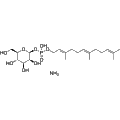
    Beta-D-mannosyl farnesyl phosphate ammonium is a lipid compound that plays a crucial role in the biosynthesis of glycoproteins and glycolipids. This reagent facilitates the study of lipid metabolism and signaling pathways, making it valuable for research in cell biology and biochemistry. Its ability to influence cellular processes underscores its importance in understanding lipid-related diseases.

    Out of stock

    All 3 sizes
  • DPCB
    Cat. No.
    A92625

    DPCB

    Synonyms: 16:0 CB

    DPCB (16:0 CB) is an inverse charge zwitterlipid that facilitates the formation of lipid membranes. This compound is essential for studying membrane dynamics and interactions, as well as the modulation of membrane properties in various biological systems. Its unique structure enables its application in research focused on drug delivery, membrane protein studies, and the development of nanocarriers.

    Out of stock

    All 3 sizes
  • 18:1 BMP (R,R'; 2,2'-isomer) ammonium
    Cat. No.
    A92923

    18:1 BMP (R,R'; 2,2'-isomer) ammonium

    18:1 BMP (R,R'; 2,2'-isomer) ammonium is a bis(monoacylglycero)phosphate that serves as an important lipid molecule. This compound is primarily involved in modulating cellular signaling pathways and membrane dynamics. Its unique structure and properties make it valuable in the study of lipid metabolism and membrane biology. Researchers utilize 18:1 BMP for investigating its role in cellular processes, including endocytosis and membrane trafficking.

    Out of stock

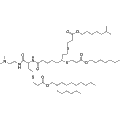
    All 3 sizes
  • FTT5 LLNs
    Cat. No.
    A93000

    FTT5 LLNs

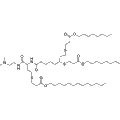
    FTT5 LLNs are functionalized lipid-like nanoparticles designed for efficient in vivo delivery of mRNA and base editing applications. These nanoparticles facilitate targeted delivery, enhancing the stability and bioavailability of nucleic acids in therapeutic contexts. Their utility in genetic research and potential therapeutic interventions makes FTT5 LLNs a critical reagent for advancing mRNA-based technologies and gene editing strategies.

    1 mg
    $115.00
    5 mg
    $500.00
    All 2 sizes
  • 1,2-Dipalmitoyl ethylene glycol
    Cat. No.
    A93508

    1,2-Dipalmitoyl ethylene glycol

    Synonyms: Ethylene glycol dipalmitate

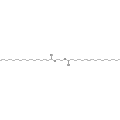
    1,2-Dipalmitoyl ethylene glycol is a glyceride that serves as a lipid-based emulsifier. This compound exhibits significant properties in stabilizing and enhancing the delivery of hydrophobic drugs in pharmaceutical formulations. It is widely used in research applications focused on drug formulation, lipid bilayer studies, and the creation of nanocarriers for improved bioavailability.

    500 mg
    $20.00
    1 g
    $30.00
    All 7 sizes
  • Leucomentin-6
    Cat. No.
    A93955

    Leucomentin-6

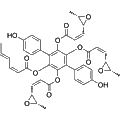
    Leucomentin-6 is a potent free radical scavenger that effectively inhibits lipid peroxidation, demonstrating an IC50 value of 0.06 μg/mL. Its ability to neutralize reactive oxygen species makes it a valuable tool in studies exploring oxidative stress and related pathologies. This compound is particularly useful in biochemical research aimed at understanding cellular damage mechanisms and potential therapeutic interventions for oxidative damage.

    Out of stock

    All 3 sizes
Items 26-50 of 70

Added to your cart

View Cart Checkout

    Loading...