Phospholipids

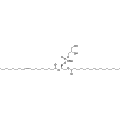
Phospholipids, mainly glycerophospholipids, form cell membrane bilayers and give rise to lipid signaling mediators. Each glycerophospholipid carries fatty acyl or ether-linked chains on a glycerol backbone and a phosphate-containing head group. Egg phosphatidylcholines, a natural mixture of phosphatidylcholine species, are commonly used to prepare model membranes and vesicles. sn-Glycero-3-phosphocholine is the deacylated backbone of phosphatidylcholine and a water-soluble metabolite of choline metabolism. Oxidized phospholipids such as POVPC arise when polyunsaturated acyl chains in membranes and lipoproteins are oxidized. 2-O-Methyl PAF C-16 is an ether lipid analog of platelet-activating factor (PAF). A few compounds, such as the nucleotide 5-PA-dUTP, are phosphate-containing reagents rather than phospholipids.

Items 1-25 of 279

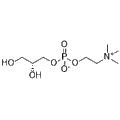
  • sn-Glycero-3-phosphocholine
    Cat. No.
    A18078

    sn-Glycero-3-phosphocholine

    Synonyms: Choline Alfoscerate; Alpha GPC; L-Alpha glycerylphosphorylcholine; Choline glycerophosphate

    Choline Alfoscerate, also known as Alpha GPC and L-Alpha glycerylphosphorylcholine, is a component of PHOSPHATIDYLCHOLINES or LECITHINS, in which the two hydroxy groups of GLYCEROL are esterified with fatty acids. Choline Alfoscerate is a precursor in the biosynthesis of brain phospholipids and increases the bioavailability of choline in nervous tissue. Choline Alfoscerate is used in the treatment of Alzheimer's Disease and other dementias..

    500 mg
    $20.00
    1 g
    $35.00
    All 3 sizes
  • 2-O-Methyl PAF C-16
    Cat. No.
    A25516

    2-O-Methyl PAF C-16

    Synonyms: ET-18-O-OCH3

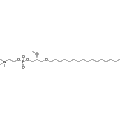
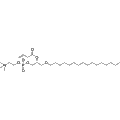
    2-O-Methyl PAF C-16 is a cytotoxic ether lipid and a structural analog of the inflammatory mediator platelet-activating factor (PAF). It effectively stimulates the release of tumor necrosis factor-alpha (TNF-α) in murine macrophages, making it a valuable tool for studying inflammatory responses. This compound is particularly useful in research focused on inflammation, immune modulation, and ether lipid biology.

    Out of stock

    All 3 sizes
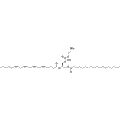
  • 1-Stearoyl-2-15(S)-Hpete-Sn-Glycero-3-Pe
    Cat. No.
    A27013

    1-Stearoyl-2-15(S)-Hpete-Sn-Glycero-3-Pe

    Synonyms: 1-Stearoyl-2-15(S)-HpETE-sn-glycero-3-phosphoethanolamine; 15(S)-HpETE-SAPE; 15(S)-hydroperoxyeicostetraenoic acid-SAPE

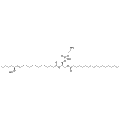
    1-Stearoyl-2-15(S)-HpETE-sn-glycero-3-Pe is a phospholipid featuring stearic acid at the sn-1 position and 15(S)-HpETE at the sn-2 position. This compound is generated through the oxidation of 1-stearoyl-2-arachidonoyl-sn-glycero-3-Pe via the enzyme 15-lipoxygenase. It is shown to enhance ferroptotic cell death in wild-type and Acsl4 knockout Pfa1 mouse embryonic fibroblasts when treated with the GPX4 inhibitor RSL3. Its unique properties make it a valuable reagent for studying ferroptosis and lipid metabolism in cellular models.

    0.05 mg
    $230.00
    0.1 mg
    $430.00
    All 2 sizes
  • Phosphatidylcholines, egg
    Cat. No.
    A30066

    Phosphatidylcholines, egg

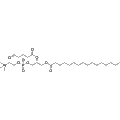
    Phosphatidylcholines, egg are a class of phosphatidylcholine derived from egg yolks, serving as vital components of cell membranes. They are known for their neuroprotective properties, helping to mitigate oxidative stress and neurotoxicity. In addition, Phosphatidylcholines, egg have been shown to inhibit lymphatic cholesterol absorption in the intestine, making them valuable in research related to lipid metabolism and intestinal absorption processes.

    5 mg
    $40.00
    10 mg
    $60.00
    All 2 sizes
  • POVPC
    Cat. No.
    A31010

    POVPC

    POVPC is an oxidized phospholipid that is a component of oxidatively modified low-density lipoprotein (oxLDL). This compound exhibits inhibitory effects on vascular smooth muscle cell (VSMC) proliferation under high serum conditions and induces apoptosis when in low serum conditions. POVPC is valuable for research applications related to cardiovascular disease, atherosclerosis, and cellular responses to oxidative stress.

    1 mg
    $270.00
    5 mg
    $1,175.00
    All 4 sizes
  • 1-Palmitoyl-2-glutaryl-sn-glycero-3-phosphocholine
    Cat. No.
    A35884

    1-Palmitoyl-2-glutaryl-sn-glycero-3-phosphocholine

    Synonyms: PGPC

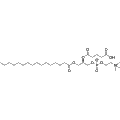
    1-Palmitoyl-2-glutaryl-sn-glycero-3-phosphocholine is an oxidized phospholipid that influences cellular viability and oxidative stress in human umbilical vein endothelial cells (HUVECs). This compound induces ferroptosis by promoting lipid peroxidation and superoxide anion production while reducing glutathione and GPX4 levels. It also enhances FABP3 expression and disrupts mitochondrial function, leading to apoptosis in aortic smooth muscle cells. Additionally, 1-Palmitoyl-2-glutaryl-sn-glycero-3-phosphocholine activates caspase-11 and encourages IL-1β release from immune cells, making it a valuable tool for research on atherosclerosis and related pathways.

    0.5 mg
    $75.00
    1 mg
    $140.00
    All 7 sizes
  • 1-Palmitoyl-2-pyropheophorbide a-sn-glycero-3-pc
    Cat. No.
    A39093

    1-Palmitoyl-2-pyropheophorbide a-sn-glycero-3-pc

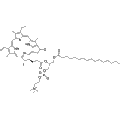
    1-Palmitoyl-2-pyropheophorbide a-sn-glycero-3-pc is a phospholipid-porphyrin conjugate designed for applications in photodynamic therapy. This compound exhibits significant potential in inducing phototoxic effects upon light activation, making it valuable for cancer treatment research and targeting specific biological pathways. Its unique structure enhances membrane interaction, facilitating targeted delivery and effective treatment outcomes in experimental settings.

    1 mg
    $200.00
    All 1 sizes
  • 1-Stearoyl-2-15(S)-HpETE-sn-glycero-3-PC
    Cat. No.
    A39220

    1-Stearoyl-2-15(S)-HpETE-sn-glycero-3-PC

    Synonyms: 15(S)-HpETE-SAPC; 15(S)-Hydroperoxyeicostetraenoic acid-SAPC

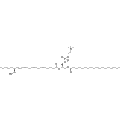
    1-Stearoyl-2-15(S)-HpETE-sn-glycero-3-PC (15(S)-HpETE-SAPC) targets reactive oxygen species (ROS) and is integral to research on phosphatidylcholine hydroperoxides. This compound demonstrates cytotoxicity via the decomposition of hydroperoxides, resulting in the formation of toxic byproducts. It serves as a valuable tool in studies investigating oxidative stress and cellular damage mechanisms.

    0.05 mg
    $205.00
    0.1 mg
    $390.00
    All 3 sizes
  • UK-390957
    Cat. No.
    A41299

    UK-390957

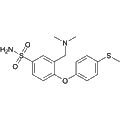
    UK-390957 is a sulfonamide compound that functions as a phosphatidylserine binder. It exhibits affinity for both phosphatidylserine and carbonic anhydrase, making it a valuable tool in biochemical research. This reagent is primarily utilized in studies related to the mechanisms of premature ejaculation, providing insights into the molecular pathways involved in this condition.

    1 mg
    $50.00
    5 mg
    $125.00
    All 7 sizes
  • 1-Stearoyl-2-arachidonoyl-sn-glycero-3-phosphorylethanolamine
    Cat. No.
    A43676

    1-Stearoyl-2-arachidonoyl-sn-glycero-3-phosphorylethanolamine

    Synonyms: SAPE

    1-Stearoyl-2-arachidonoyl-sn-glycero-3-phosphorylethanolamine (SAPE) is a phospholipid primarily located within the inner mitochondrial membrane. This compound plays a key role in membrane structure and function, contributing to the dynamics of mitochondrial processes. SAPE is utilized in research applications related to cell signaling, mitochondrial function, and lipid metabolism, making it valuable for studies in cellular physiology and disease mechanisms.

    1 mg
    $195.00
    5 mg
    $450.00
    All 4 sizes
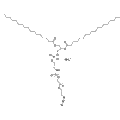
  • DSPE-PEG2000-Azide ammonium
    Cat. No.
    A45514

    DSPE-PEG2000-Azide ammonium

    DSPE-PEG2000-Azide ammonium is an azide-containing lipid primarily utilized for drug delivery applications through the formation of micelles as nanoparticles. It serves as a versatile click chemistry reagent, capable of undergoing copper-catalyzed azide-alkyne cycloaddition (CuAAc) with alkyne-containing molecules. Additionally, it can facilitate strain-promoted alkyne-azide cycloaddition (SPAAC) reactions with DBCO or BCN-bearing compounds, making it valuable for bioconjugation and targeted therapy research.

    10 mg
    $230.00
    25 mg
    $460.00
    All 4 sizes
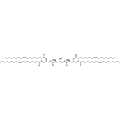
  • 18:1 Cardiolipin disodium
    Cat. No.
    A47904

    18:1 Cardiolipin disodium

    18:1 Cardiolipin disodium is a virulence regulator characterized by its two phosphate groups and four acyl chains. This compound plays a critical role in modulating bacterial infections and can be utilized in research to investigate the regulation mechanisms of bacterial virulence. Its properties make it a valuable tool for studying the interactions between host and pathogen.

    5 mg
    $65.00
    10 mg
    $105.00
    All 5 sizes
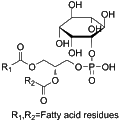
  • L-α-Phosphatidylinositol
    Cat. No.
    A51262

    L-α-Phosphatidylinositol

    L-α-Phosphatidylinositol is a phospholipid that plays a crucial role in cell membrane structure and function. It serves as an effective antigen in ELISA assays for the detection of antiphospholipid antibodies. Additionally, L-α-Phosphatidylinositol is utilized in research studies involving HIV-1 infection, contributing to the understanding of viral interactions with cellular components.

    10 mg
    $40.00
    25 mg
    $65.00
    All 2 sizes
  • POPG sodium salt
    Cat. No.
    A62275

    POPG sodium salt

    Synonyms: PG(16:0/18:1); 1-Palmitoyl-2-oleoyl-sn-glycero-3-phospho-(1'-rac-glycerol)

    POPG sodium salt is a negatively charged phospholipid that modulates membrane protein interactions by altering the lipid environment's charge characteristics. This compound enhances the apparent affinity of Gαq and Gβ1γ1 for activated NTS1, demonstrating its role in cellular signaling processes. Additionally, POPG sodium salt can interact with positively charged peptides, making it a valuable tool in biophysical studies. Its applications extend to research on Parkinson's disease and related neurodegenerative disorders.

    5 mg
    $20.00
    10 mg
    $25.00
    All 5 sizes
  • Butenoyl-PAF
    Cat. No.
    A62977

    Butenoyl-PAF

    Butenoyl-PAF is a phospholipid analog that acts on PAF receptors, primarily targeting neutrophils, monocytes, and platelets. This compound is known to significantly elevate intracellular calcium ion concentrations, facilitating various cellular responses. It serves as a valuable tool in research applications involving inflammation, immune response, and lipid signaling studies.

    1 mg
    $310.00
    5 mg
    $655.00
    All 2 sizes
  • PAF C-16 carboxylic acid
    Cat. No.
    A62994

    PAF C-16 carboxylic acid

    Synonyms: Acetyl-CPGPC

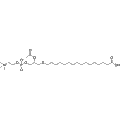
    PAF C-16 carboxylic acid, a phospholipid, exhibits haptenic properties that stimulate the production of antibodies reactive with platelet-activating factor (PAF). Its biological activity is significant in the study of immune responses related to PAF. Research applications include understanding PAF interactions in physiological and pathological processes.

    0.5 mg
    $345.00
    All 1 sizes
  • Lysophosphatidylcholine C19:0
    Cat. No.
    A64892

    Lysophosphatidylcholine C19:0

    Synonyms: 1-Nonadecanoyl-2-hydroxy-sn-glycero-3-phosphocholine; 19:0 Lyso PC

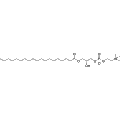
    Lysophosphatidylcholine C19:0, an acyl chain lipid, functions as a bioactive lipid mediator. It is known to increase the secretion of interleukin-1 beta (IL-1β), a cytokine involved in inflammatory responses. This compound is valuable for research into lipid signaling, immune modulation, and inflammatory pathways.

    1 mg
    $155.00
    All 1 sizes
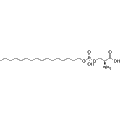
  • Hexadecylphosphoserine
    Cat. No.
    A66077

    Hexadecylphosphoserine

    Hexadecylphosphoserine is a phospholipid that consists of a hexadecyl alkyl chain linked to a phosphoserine moiety, which provides a strong interaction with cell membranes. This compound demonstrates antitumor activity by influencing intracellular calcium signaling pathways, rendering it valuable for studies focused on breast cancer. Its unique properties make it a significant tool for research in cell physiology and cancer therapeutics.

    5 mg
    $425.00
    10 mg
    $720.00
    All 5 sizes
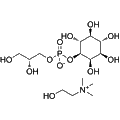
  • Glycerophosphoinositol choline
    Cat. No.
    A67602

    Glycerophosphoinositol choline

    Glycerophosphoinositol choline is an essential nutrient known to activate alpha7 nicotinic receptors, exhibiting notable analgesic and anti-inflammatory properties. This compound plays a significant role in the pathophysiology of various diseases, including liver disease, atherosclerosis, and neurological disorders. Its biological activity makes it a valuable tool for research aimed at understanding these conditions and developing therapeutic strategies.

    5 mg
    $635.00
    10 mg
    $1,050.00
    All 2 sizes
  • LysoPE(18:2/0:0)
    Cat. No.
    A70078

    LysoPE(18:2/0:0)

    LysoPE (18:2/0:0) is a lysophosphatidylethanolamine that serves as a crucial component in phospholipid metabolism. It has been shown to exhibit significantly altered serum levels in mice following exposure to endocrine-disrupting compounds, specifically a combination of DEHP and Aroclor 1254, indicating its role in metabolic disturbances. This reagent is valuable for investigating the effects of environmental toxins on lipid metabolism and may act as a potential biomarker for the combined toxicity of these compounds.

    1 mg
    $640.00
    5 mg
    $1,640.00
    All 3 sizes
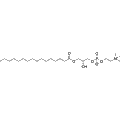
  • 1-Palmitoyl-sn-glycero-3-phosphocholine
    Cat. No.
    A71132

    1-Palmitoyl-sn-glycero-3-phosphocholine

    Synonyms: 16:0 Lyso PC

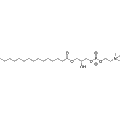
    1-Palmitoyl-sn-glycero-3-phosphocholine is a prominent lysophosphatidylcholine that acts as a proinflammatory mediator. This compound plays a significant role in lipid signaling pathways and is particularly relevant in the study of atherosclerosis and related cardiovascular disorders. Its involvement in inflammation and cell signaling makes it a valuable tool for research exploring lipid metabolism and associated diseases.

    25 mg
    $35.00
    50 mg
    $50.00
    All 4 sizes
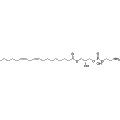
  • Lysophosphatidylcholine 18:2
    Cat. No.
    A71151

    Lysophosphatidylcholine 18:2

    Synonyms: 1-Linoleoyl-2-Hydroxy-sn-glycero-3-PC; LPC(18:2/0:0); LysoPC(18:2)

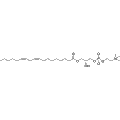
    Lysophosphatidylcholine 18:2 (1-Linoleoyl-2-Hydroxy-sn-glycero-3-PC) is a lysophospholipid that serves as a potential diagnostic biomarker for insulin resistance associated with polycystic ovary syndrome (PCOS). This compound has been linked to various metabolic conditions, including impaired glucose tolerance, type 2 diabetes, coronary artery disease, and memory impairment. Its quantification in plasma may provide valuable insights into the early identification and management of these health issues.

    0.5 mg
    $195.00
    1 mg
    $200.00
    All 4 sizes
  • 1,2-Dipalmitoyl-sn-glycerol 3-phosphate sodium
    Cat. No.
    A71344

    1,2-Dipalmitoyl-sn-glycerol 3-phosphate sodium

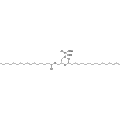
    1,2-Dipalmitoyl-sn-glycerol 3-phosphate sodium is a phosphatidic acid that functions as a crucial human endogenous metabolite. Its primary mechanism involves the formation of lipid bilayers, making it instrumental in the generation of micelles, liposomes, and artificial membranes. This compound is widely utilized in biochemical research focused on cell membrane dynamics and lipid metabolism.

    5 mg
    $25.00
    10 mg
    $35.00
    All 6 sizes
  • LysoPC(16:1(9Z))
    Cat. No.
    A71555

    LysoPC(16:1(9Z))

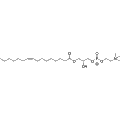
    LysoPC(16:1(9Z)) is a lysophosphatidylcholine that primarily targets cell signaling pathways involved in lipid metabolism and immune response. This compound is valuable for investigating the mechanisms underlying spleen deficiency syndrome and its effects on physiological processes. Its role in modulating cellular functions makes it a useful reagent for studying various biological activities and disease mechanisms related to lipid signaling.

    25 mg
    $1,275.00
    50 mg
    $1,625.00
    All 3 sizes
  • 15:0 Lyso PC
    Cat. No.
    A71656

    15:0 Lyso PC

    15:0 Lyso PC is a lysophosphatidylcholine (Lyso PC) resulting from phospholipase A2 (PLA2) hydrolysis of phosphatidylcholine (PC). This compound plays a crucial role in cell membrane remodeling and inflammatory signaling pathways. Elevated levels of 15:0 Lyso PC have been associated with significant lipid metabolism disturbances in serum, particularly in contexts such as ischemic heart disease (IHD) and ischemic cardiomyopathy (ICM). It serves as a potential lipid biomarker for cardiovascular disease research.

    1 mg
    $70.00
    5 mg
    $285.00
    All 2 sizes

Items 1-25 of 279

Added to your cart

View Cart Checkout

    Loading...