Phospholipids

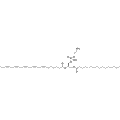
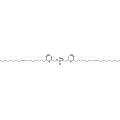
Phospholipids, mainly glycerophospholipids, form cell membrane bilayers and give rise to lipid signaling mediators. Each glycerophospholipid carries fatty acyl or ether-linked chains on a glycerol backbone and a phosphate-containing head group. Egg phosphatidylcholines, a natural mixture of phosphatidylcholine species, are commonly used to prepare model membranes and vesicles. sn-Glycero-3-phosphocholine is the deacylated backbone of phosphatidylcholine and a water-soluble metabolite of choline metabolism. Oxidized phospholipids such as POVPC arise when polyunsaturated acyl chains in membranes and lipoproteins are oxidized. 2-O-Methyl PAF C-16 is an ether lipid analog of platelet-activating factor (PAF). A few compounds, such as the nucleotide 5-PA-dUTP, are phosphate-containing reagents rather than phospholipids.

Items 226-250 of 279

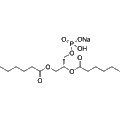
  • 06:0 PA sodium
    Cat. No.
    B20973

    06:0 PA sodium

    06:0 PA sodium is a phosphatidic acid that serves as a key lipid mediator within cellular signaling pathways. It is involved in various biological processes, including cell proliferation and membrane trafficking. This reagent is valuable for research applications focused on lipid metabolism, signal transduction, and the investigation of phospholipid-related diseases.

    1 mg
    $145.00
    5 mg
    $370.00
    All 3 sizes
  • 22:6 PA sodium
    Cat. No.
    B20979

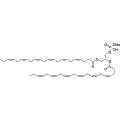
    22:6 PA sodium

    22:6 PA sodium is a sodium salt of phosphatidic acid, which serves as a key lipid signaling molecule involved in multiple cellular processes. It plays a critical role in membrane dynamics, signal transduction, and the regulation of various physiological functions. This reagent is widely used in research applications focusing on lipid biology, cell signaling, and the study of membrane-associated mechanisms in health and disease.

    Out of stock

    All 3 sizes
  • 08:0 PS sodium
    Cat. No.
    B20992

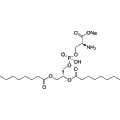
    08:0 PS sodium

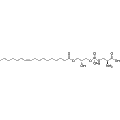
    08:0 PS sodium is a phosphatidylserine compound that serves as a critical phospholipid component of cell membranes. Its primary mechanism involves influencing cell signaling and apoptosis through interaction with various receptors and proteins. This reagent is commonly utilized in research focusing on cellular processes, neurobiology, and the study of membrane dynamics, as well as in assays assessing the role of phosphatidylserine in health and disease.

    Out of stock

    All 3 sizes
  • 16:0-22:6 PS sodium
    Cat. No.
    B21047

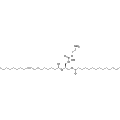
    16:0-22:6 PS sodium

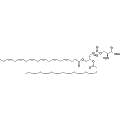
    Synonyms: PS(16:0/22:6(4Z,7Z,10Z,13Z,16Z,19Z) sodium

    16:0-22:6 PS sodium is a phosphatidylserine (PS) lipid known for its potential role in cell signaling and apoptosis. This compound may enhance neural growth and function, making it particularly relevant for studies in neurobiology and cognitive research. Its ability to interact with membrane proteins and influence cellular processes positions it as a valuable reagent for investigations into membrane dynamics and lipid signaling pathways.

    Out of stock

    All 3 sizes
  • 1-Myristoyl-2-oleoyl-sn-glycero-3-phosphoethanolamine
    Cat. No.
    B21067

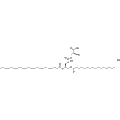
    1-Myristoyl-2-oleoyl-sn-glycero-3-phosphoethanolamine

    1-Myristoyl-2-oleoyl-sn-glycero-3-phosphoethanolamine is a glycerophospholipid that plays a crucial role in cellular membrane structure and function. It is implicated in various biological activities, including membrane fusion, signal transduction, and lipid bilayer formation. This compound is utilized in research applications focused on membrane dynamics, lipid metabolism, and studies related to cellular signaling pathways.

    Out of stock

    All 3 sizes
  • 22:6 PS sodium
    Cat. No.
    B21071

    22:6 PS sodium

    22:6 PS sodium is a phosphatidylserine that plays a critical role in cellular signaling and membrane dynamics. This compound is primarily involved in apoptosis regulation and is important for maintaining cell viability. Its applications extend to studies in neurobiology, cancer research, and lipid metabolism, making it a valuable tool for investigating various physiological and pathological processes.

    Out of stock

    All 3 sizes
  • 1-Palmitoyl-2-docosapentaenoyl-sn-glycero-3-phosphatidylethanolamine
    Cat. No.
    B21156

    1-Palmitoyl-2-docosapentaenoyl-sn-glycero-3-phosphatidylethanolamine

    1-Palmitoyl-2-docosapentaenoyl-sn-glycero-3-phosphatidylethanolamine is a glycerophospholipid that primarily serves as a structural component of cell membranes. This compound plays a crucial role in maintaining membrane integrity and functionality, influencing cellular signaling processes. Its unique fatty acid composition makes it valuable for studying lipid metabolism and membrane dynamics in various biological systems. This reagent is useful in research applications focusing on cell biology, biochemistry, and the analysis of lipid-associated diseases.

    Out of stock

    All 3 sizes
  • 1-Myristoyl-2-lauroyl-sn-glycero-3-phosphocholine
    Cat. No.
    B21171

    1-Myristoyl-2-lauroyl-sn-glycero-3-phosphocholine

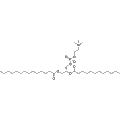
    1-Myristoyl-2-lauroyl-sn-glycero-3-phosphocholine is a phosphocholine derivative that functions as a key component in lipid bilayers. It exhibits significant biological activity in membrane modeling and is used to investigate lipid-protein interactions and membrane dynamics. This compound serves as a valuable tool in studies related to cell signaling, membrane biology, and the development of liposome-based drug delivery systems.

    Out of stock

    All 3 sizes
  • (S,S) Bisoleoyl-lysobisphosphatidic acid
    Cat. No.
    B21176

    (S,S) Bisoleoyl-lysobisphosphatidic acid

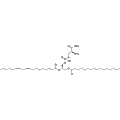
    (S,S) Bisoleoyl-lysobisphosphatidic acid is a lipid compound known for its role in modulating cholesterol transport within endosomal pathways. This lysobisphosphatidic acid derivative aids in the understanding of lipid dynamics and membrane biology. Its utility in research includes studies on endosomal function, lipid metabolism, and cellular signaling mechanisms.

    0.1 mg
    $270.00
    0.5 mg
    $680.00
    All 2 sizes
  • 3-Methoxycinnamic acid
    Cat. No.
    B21190

    3-Methoxycinnamic acid

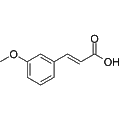
    3-Methoxycinnamic acid is a critical intermediate in the synthesis of phosphatidylcholine derivatives containing cinnamic acid. This compound demonstrates anti-proliferative activity against various cancer cell lines, making it a valuable tool for cancer research. It is utilized in studies focused on cancer treatment mechanisms and the development of novel therapeutic agents.

    1 g
    $25.00
    10 g
    $30.00
    All 6 sizes
  • 17:1 Lyso PS sodium
    Cat. No.
    B21228

    17:1 Lyso PS sodium

    17:1 Lyso PS sodium is a lysophosphatidylserine compound that targets phosphatidylserine receptors. It exhibits notable biological activity, including potential roles in cell signaling and apoptosis regulation. This reagent is valuable for research applications involving membrane dynamics, lipid signaling pathways, and the investigation of neurodegenerative diseases.

    Out of stock

    All 3 sizes
  • Echiguanine A
    Cat. No.
    B21862

    Echiguanine A

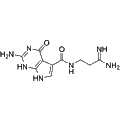
    Echiguanine A is a potent inhibitor of phosphatidylinositol 4-kinase II alpha (PI4KIIα), demonstrating an IC50 of 0.04 μg/mL. This compound effectively inhibits the enzymatic activity of phosphatidylinositol 4-kinase in cell membrane extracts, making it a valuable tool for studying lipid signaling pathways. Echiguanine A is particularly relevant in cancer research, where PI4KIIα modulation may influence tumor cell growth and proliferation.

    Out of stock

    All 3 sizes
  • 16:0-18:2 PS sodium
    Cat. No.
    B22034

    16:0-18:2 PS sodium

    Synonyms: 1-Palmitoyl-2-linoleoyl-sn-glycero-3-phospho-L-serine sodium

    16:0-18:2 PS sodium is a phosphatidylserine that primarily functions as a component of cellular membranes. This compound plays a critical role in cell signaling and apoptosis, impacting various biological processes. It is widely utilized in lipid research, particularly in studies related to membrane dynamics, neural function, and the investigation of apoptotic pathways.

    Out of stock

    All 3 sizes
  • 15:0-18:1 PE
    Cat. No.
    B22035

    15:0-18:1 PE

    Synonyms: 1-Pentadecanoyl-2-oleoyl-sn-glycero-3-phosphoethanolamine; PE (15:0/18:1(9Z))

    15:0-18:1 PE is a phosphatidylethanolamine that primarily targets lipid membranes. This compound plays a crucial role in membrane dynamics and cellular signaling. It is commonly utilized in studies of lipid metabolism, membrane structure, and the investigation of lipid-related diseases. Its unique composition makes it valuable for research in bioengineering and pharmacological applications.

    Out of stock

    All 3 sizes
  • 18:0-20:4 PI(5)P diammonium
    Cat. No.
    B22036

    18:0-20:4 PI(5)P diammonium

    18:0-20:4 PI(5)P diammonium serves as a phosphoinositide, characterized by a cyclic myo-inositol head group. This compound plays a critical role in cellular signaling pathways and membrane dynamics. Its unique structure makes it an important tool for researchers investigating lipid biology, signal transduction, and membrane-associated processes. Additionally, it can aid in the study of phosphoinositide regulation in various cellular contexts.

    Out of stock

    All 3 sizes
  • 18:1 PI(4)P
    Cat. No.
    B22037

    18:1 PI(4)P

    18:1 PI(4)P is a phosphoinositide that plays a crucial role in cellular signaling and membrane dynamics. This compound features a cyclic myo-inositol head group, distinguishing it from other phospholipids. Due to its involvement in the regulation of various cellular processes, 18:1 PI(4)P is essential for research applications focused on lipid biology, cellular communication, and signaling pathways.

    Out of stock

    All 3 sizes
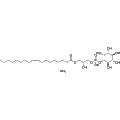
  • 18:1 PI ammonium
    Cat. No.
    B22038

    18:1 PI ammonium

    Synonyms: DOPI(18:1(9Z)/18:1(9Z)) ammonium

    18:1 PI ammonium is a phosphoinositide with a cyclic myo-inositol head group, distinguishing it from standard phospholipids. This compound plays a crucial role in cellular signaling processes and is involved in the regulation of membrane dynamics. It is valuable for research applications related to lipid metabolism, signal transduction, and the study of phosphoinositide-related pathways in various biological systems.

    Out of stock

    All 3 sizes
  • 18:2 PE
    Cat. No.
    B22039

    18:2 PE

    18:2 PE (1,2-Dioleoyl-sn-glycero-3-phosphoethanolamine) is a glycerophospholipid that plays a crucial role in membrane biology. It is utilized in various research applications, including studies on lipid bilayers, membrane dynamics, and cellular signaling. The compound is essential for investigating the structure and function of lipid membranes and their interactions with proteins.

    Out of stock

    All 3 sizes
  • 1-Oleoyl-2-stearoyl-sn-glycero-3-phosphocholine
    Cat. No.
    B22040

    1-Oleoyl-2-stearoyl-sn-glycero-3-phosphocholine

    Synonyms: 18:1-18:0 PC

    1-Oleoyl-2-stearoyl-sn-glycero-3-phosphocholine is a phospholipid that plays a critical role in membrane structure and function. It is primarily used to study lipid bilayers and membrane dynamics, as well as to investigate the biochemical pathways involving phosphatidylcholine. This compound is valuable for researchers exploring cellular signaling, membrane fluidity, and lipid metabolism.

    Out of stock

    All 3 sizes
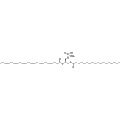
  • 18:0-18:2 PA sodium
    Cat. No.
    B22041

    18:0-18:2 PA sodium

    18:0-18:2 PA sodium is a phosphatidic acid that serves as a key signaling lipid involved in various cellular processes. It plays a significant role in membrane dynamics and cellular growth, functioning as an important regulator of lipid metabolism. This compound is commonly utilized in research focused on cell signaling pathways, membrane biology, and lipid-related studies.

    Out of stock

    All 3 sizes
  • 15:0-18:1 PI ammonium
    Cat. No.
    B22042

    15:0-18:1 PI ammonium

    15:0-18:1 PI ammonium is a phosphoinositide featuring a cyclic myo-inositol head group. This compound plays a crucial role in cellular signaling pathways and membrane dynamics. It is primarily utilized in research applications focusing on lipid metabolism, cell signaling, and membrane biology, making it a valuable reagent for scientists studying lipid-related processes.

    Out of stock

    All 3 sizes
  • 18:1 Lyso PI ammonium
    Cat. No.
    B22044

    18:1 Lyso PI ammonium

    Synonyms: PI(18:1(9Z)/0:0) ammonium

    18:1 Lyso PI ammonium is a lysophosphatidylinositol that acts as a phospholipid signaling molecule. It plays a crucial role in cellular signaling pathways and membrane dynamics. Its primary applications include studying lipid metabolism, investigating cell signaling processes, and exploring the role of lysophosphatidylinositols in various biological contexts.

    Out of stock

    All 3 sizes
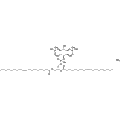
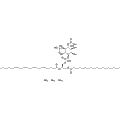
  • 18:1 PI(3,5)P2 triammonium
    Cat. No.
    B22045

    18:1 PI(3,5)P2 triammonium

    Synonyms: PIP2[3',5'](18:1(9Z)/18:1(9Z)) triammonium

    18:1 PI(3,5)P2 triammonium is a phosphoinositide that serves as a key signaling molecule within cellular processes. This compound directly targets lipid membranes, modulating various cellular functions linked to signal transduction pathways. It is particularly useful in research applications involving membrane dynamics, endocytic trafficking, and phosphoinositide metabolism.

    0.01 mg
    $215.00
    0.05 mg
    $760.00
    All 2 sizes
  • 18:0-20:4 PI (4,5) P2 triammonium
    Cat. No.
    B22046

    18:0-20:4 PI (4,5) P2 triammonium

    18:0-20:4 PI (4,5) P2 triammonium is a phosphatidylinositol lipid that serves as a vital component in the formulation of lipid nanoparticles (LNPs). This compound exhibits significant biological activity in facilitating drug delivery systems, enhancing cellular uptake and bioavailability of therapeutic agents. Its research applications include the study of membrane dynamics, signaling pathways, and the development of innovative drug delivery vehicles in various biomedical fields.

    Out of stock

    All 3 sizes
  • 18:0-22:6 PA sodium
    Cat. No.
    B22047

    18:0-22:6 PA sodium

    Synonyms: PA(18:0/22:6(4Z,7Z,10Z,13Z,16Z,19Z)) sodium

    18:0-22:6 PA sodium is a phosphatidic acid that serves as a key lipid signaling molecule. This compound plays an essential role in various cellular processes, including membrane dynamics and signal transduction pathways. It is commonly used in research applications focused on lipid metabolism, cell signaling, and the study of phospholipid-mediated effects in cellular systems.

    Out of stock

    All 3 sizes

Items 226-250 of 279

Added to your cart

View Cart Checkout

    Loading...