Phospholipids

Phospholipids, mainly glycerophospholipids, form cell membrane bilayers and give rise to lipid signaling mediators. Each glycerophospholipid carries fatty acyl or ether-linked chains on a glycerol backbone and a phosphate-containing head group. Egg phosphatidylcholines, a natural mixture of phosphatidylcholine species, are commonly used to prepare model membranes and vesicles. sn-Glycero-3-phosphocholine is the deacylated backbone of phosphatidylcholine and a water-soluble metabolite of choline metabolism. Oxidized phospholipids such as POVPC arise when polyunsaturated acyl chains in membranes and lipoproteins are oxidized. 2-O-Methyl PAF C-16 is an ether lipid analog of platelet-activating factor (PAF). A few compounds, such as the nucleotide 5-PA-dUTP, are phosphate-containing reagents rather than phospholipids.

Items 201-225 of 279

  • PPI-1040
    Cat. No.
    A96497

    PPI-1040

    PPI-1040 is an orally bioavailable vinyl ether synthetic plasmalogen, functioning as a precursor to enhance plasmalogen levels. It significantly increases plasmalogen concentrations in plasmalogen-deficient mice and helps to normalize hyperactive behaviors exhibited in these subjects. In wild-type mice, PPI-1040 retains the sn-1 vinyl ether and sn-3 phosphoethanolamine groups, leading to its conversion into endogenous ethanolamine plasmalogen. This compound is valuable for research related to rhizomelic chondrodysplasia punctata.

    Out of stock

    All 3 sizes
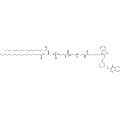
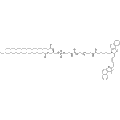
  • DSPE PEG(2000)-N-Cyanine 7
    Cat. No.
    B11133

    DSPE PEG(2000)-N-Cyanine 7

    DSPE PEG(2000)-N-Cyanine 7 is a phospholipid that functions as a versatile excipient in drug formulations. Its excellent biocompatibility and amphiphilic properties enhance the delivery and therapeutic efficacy of drug compounds. This reagent is particularly useful in drug delivery research, facilitating the development of innovative therapeutic strategies.

    Out of stock

    All 3 sizes
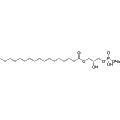
  • DSPE PEG(2000)-N-Cyanine 5.5
    Cat. No.
    B11206

    DSPE PEG(2000)-N-Cyanine 5.5

    DSPE PEG(2000)-N-Cyanine 5.5 is a phospholipid conjugate that targets lipid formulations. This compound exhibits excellent biocompatibility and amphiphilic properties, making it an effective excipient in drug delivery systems. It is widely utilized in research applications aimed at enhancing therapeutic efficacy and optimizing drug formulation strategies.

    Out of stock

    All 3 sizes
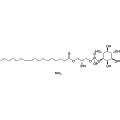
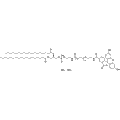
  • 18:0 PEG2000 PE CF ammonium
    Cat. No.
    B11213

    18:0 PEG2000 PE CF ammonium

    18:0 PEG2000 PE CF ammonium is a fluorescent phospholipid that targets lipid membranes. It is commonly used to study membrane dynamics and cellular uptake in various biological systems. This compound facilitates the visualization and tracking of lipid structures, making it an essential reagent for lipid research and cell biology applications.

    Out of stock

    All 3 sizes

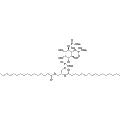
  • PtdIns-(4,5)-P2 (1,2-dipalmitoyl) (trisodium)
    Cat. No.
    B12625

    PtdIns-(4,5)-P2 (1,2-dipalmitoyl) (trisodium)

    PtdIns-(4,5)-P2 (1,2-dipalmitoyl) (trisodium) is a phosphoinositide characterized by its unique cyclic myo-inositol head group. This compound plays a crucial role in cellular signaling and membrane dynamics, acting as a key regulator of various biological processes, including cytoskeletal organization and vesicular trafficking. It is widely utilized in research applications focusing on signal transduction pathways, cellular metabolism, and lipid biology.

    0.1 mg
    $140.00
    0.5 mg
    $610.00
    All 3 sizes
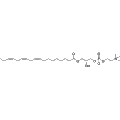
  • LysoPC(18:3)
    Cat. No.
    B18151

    LysoPC(18:3)

    LysoPC(18:3) is a lysophospholipid that serves as a potential lipid biomarker for breast cancer diagnosis. Its biological activity is linked to various signaling pathways involved in cancer progression. Research applications include studying the role of lysophospholipids in tumor biology and evaluating their potential as diagnostic tools in oncology.

    1 mg
    $290.00
    5 mg
    $745.00
    All 2 sizes
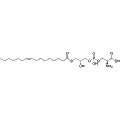
  • LysoPS (C16:1)
    Cat. No.
    B18598

    LysoPS (C16:1)

    LysoPS (C16:1) is a lysophosphatidylserine with a carbon chain of 16 carbons and one double bond. This compound plays a crucial role in cell signaling processes, particularly in the modulation of immune responses and apoptosis. Its unique properties make it valuable for studying various biological mechanisms and pathways in both in vitro and in vivo research applications.

    Out of stock

    All 3 sizes
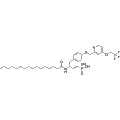
  • 13:0 Lyso PS sodium
    Cat. No.
    B20129

    13:0 Lyso PS sodium

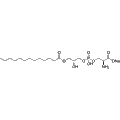
    13:0 Lyso PS sodium is a lyso-phosphatidylserine, a lipid molecule that plays a crucial role in various cellular processes. It is primarily involved in modulating membrane dynamics and can influence cell signaling pathways. This reagent is utilized in lipid research and studies focused on membrane biology, apoptosis, and cell communication. Its unique properties make it a valuable tool for researchers investigating the physiological roles of phospholipids in biological systems.

    Out of stock

    All 3 sizes
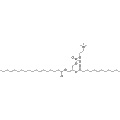
  • C18(Plasm)-18:1 PC
    Cat. No.
    B20142

    C18(Plasm)-18:1 PC

    C18(Plasm)-18:1 PC is an ether lipid that serves as a critical component of cell membranes. Its unique structural properties contribute to membrane fluidity and stability, making it valuable for studying lipid bilayers and membrane dynamics. This compound is applicable in research exploring membrane-associated processes and lipid metabolism.

    Out of stock

    All 3 sizes
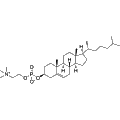
  • Bis-DienPC
    Cat. No.
    B20156

    Bis-DienPC

    Synonyms: DODPC

    Bis-DienPC is a glycerophospholipid that serves as a structural component of biological membranes. It plays a critical role in membrane fluidity and dynamics, making it essential for studying lipid interactions and membrane-related processes. Bis-DienPC is commonly used in research applications focused on lipid biochemistry, cell signaling, and the mechanics of membrane function. Its unique properties facilitate investigations into the roles of phospholipids in cellular activities and disease models.

    Out of stock

    All 3 sizes
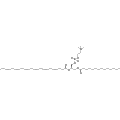
  • 16:0 2-PC
    Cat. No.
    B20163

    16:0 2-PC

    16:0 2-PC is a phosphocholine derivative that plays a crucial role in lipid metabolism and membrane structure. This reagent is utilized in studies focusing on cell membrane dynamics, lipid bilayer formation, and signaling pathways related to phosphatidylcholine metabolism. Its unique properties make it valuable for investigating cellular processes and developing lipid-based therapeutic strategies.

    Out of stock

    All 3 sizes
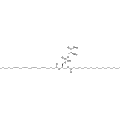
  • 16:0-22:6 PA sodium
    Cat. No.
    B20181

    16:0-22:6 PA sodium

    Synonyms: PA(16:0/22:6(4Z,7Z,10Z,13Z,16Z,19Z) sodium

    16:0-22:6 PA sodium is a phosphatidic acid that functions as a critical regulator of lipid signaling pathways. This reagent is implicated in various biological processes, including membrane dynamics, cell growth, and apoptosis. It serves as a valuable tool for researchers investigating lipid metabolism, cell signaling, and related pathophysiological conditions.

    Out of stock

    All 3 sizes
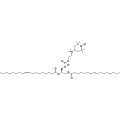
  • 17:1 Lyso PG sodium
    Cat. No.
    B20218

    17:1 Lyso PG sodium

    17:1 Lyso PG sodium is a phosphatidylglycerol derivative that serves as a critical component in membrane biochemistry. It exhibits important biological activity related to lipid metabolism and cell signaling processes. This reagent is commonly utilized in research involving membrane dynamics, lipid interaction studies, and the investigation of signaling pathways in various cellular contexts.

    Out of stock

    All 3 sizes
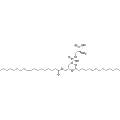
  • 18:0 PI
    Cat. No.
    B20256

    18:0 PI

    Synonyms: DSPI (18:0/18:0)

    18:0 Phosphatidylinositol (PI) is a phosphoinositide characterized by a saturated fatty acyl chain. Phosphoinositides play critical roles in cellular signaling and membrane dynamics due to their unique inositol head group structure. This reagent is essential for studying lipid metabolism, intracellular signaling pathways, and the regulation of cellular processes such as proliferation and differentiation in various biological systems.

    Out of stock

    All 3 sizes
  • 1-Myristoyl-2-oleoyl-sn-glycero-3-phosphatidylserine
    Cat. No.
    B20266

    1-Myristoyl-2-oleoyl-sn-glycero-3-phosphatidylserine

    1-Myristoyl-2-oleoyl-sn-glycero-3-phosphatidylserine is a phosphatidylserine derivative that serves as a crucial component of cell membranes. It plays a significant role in modulating cellular processes such as apoptosis and cell signaling. This reagent is widely used in lipid bilayer studies and membrane biochemistry research, providing insight into membrane dynamics and interactions.

    Out of stock

    All 3 sizes
  • 17:0 Lyso PA sodium
    Cat. No.
    B20473

    17:0 Lyso PA sodium

    17:0 Lyso PA sodium is a lysophosphatidic acid (LPA) analog that serves as a potent bioactive lipid mediator. This compound is known to engage multiple LPA receptors, significantly influencing cellular processes such as proliferation, migration, and survival. It is utilized in various research applications, including studies on cancer biology, wound healing, and neurobiology, to elucidate the role of LPA signaling in diverse physiological and pathological contexts.

    5 mg
    $260.00
    All 1 sizes
  • 17:1 Lyso PI ammonium
    Cat. No.
    B20705

    17:1 Lyso PI ammonium

    17:1 Lyso PI ammonium is a phospholipid with a primary target in lipid nanoparticle (LNP) formulation. This compound plays a crucial role in the preparation of LNPs for effective drug delivery applications, providing stability and enhancing cellular uptake of therapeutic agents. Its unique structure allows for versatile use in various biopharmaceutical research endeavors, including gene delivery and vaccine development.

    0.1 mg
    $1,110.00
    0.5 mg
    $2,780.00
    All 2 sizes
  • Phosphatidylcholine, PC (heart, bovine)
    Cat. No.
    B20768

    Phosphatidylcholine, PC (heart, bovine)

    Phosphatidylcholine (PC) is a phospholipid that serves as a key structural component of cell membranes. It plays a crucial role in maintaining membrane integrity and fluidity and is involved in various biological processes, including cell signaling and lipid metabolism. Phosphatidylcholine from bovine heart is suitable for research applications in membrane biology, drug delivery systems, and the study of lipoprotein metabolism.

    Out of stock

    All 3 sizes
  • VPC 51299
    Cat. No.
    B20822

    VPC 51299

    VPC 51299 is a phosphatidic acid derivative that plays a crucial role in lipid signaling pathways. It is involved in various biological processes, including cell proliferation, survival, and differentiation. This compound is valuable for research applications exploring membrane dynamics and lipid metabolism.

    Out of stock

    All 3 sizes
  • 1-Stearoyl-2-lauroyl-sn-glycero-3-phosphocholine
    Cat. No.
    B20888

    1-Stearoyl-2-lauroyl-sn-glycero-3-phosphocholine

    1-Stearoyl-2-lauroyl-sn-glycero-3-phosphocholine is a phospholipid that primarily targets membrane biophysics. It plays a crucial role in the formation of lipid bilayers and is essential for studies involving membrane structure and dynamics. This compound is often utilized in the preparation of liposomes and lipid nanoparticles for drug delivery applications, as well as in cell membrane studies to investigate lipid-protein interactions.

    Out of stock

    All 3 sizes
  • Cholesteryl phosphocholine
    Cat. No.
    B20890

    Cholesteryl phosphocholine

    Cholesteryl phosphocholine is a derivative of cholesterol that functions as a phospholipid. It plays a critical role in cellular membrane structure and dynamics, influencing membrane fluidity and signaling pathways. This compound is utilized in lipid research and studies related to membrane biophysics, offering insights into lipid metabolism and cell membrane interactions.

    5 mg
    $80.00
    10 mg
    $140.00
    All 4 sizes
  • 1-Myristoyl-2-docosahexaenoyl-sn-glycero-3-phosphatidylcholine
    Cat. No.
    B20891

    1-Myristoyl-2-docosahexaenoyl-sn-glycero-3-phosphatidylcholine

    1-Myristoyl-2-docosahexaenoyl-sn-glycero-3-phosphatidylcholine is a specific phosphatidylcholine that plays a crucial role in membrane dynamics and lipid bilayer formation. This compound exhibits significant biological activity by contributing to cell signaling and membrane fluidity. It is utilized in research applications related to membrane biology, phospholipid metabolism, and the study of lipid-protein interactions.

    Out of stock

    All 3 sizes
  • 18:0,20:4 PS sodium
    Cat. No.
    B20895

    18:0,20:4 PS sodium

    Synonyms: SAPS(18:0/20:4(5Z,8Z,11Z,14Z)) sodium

    18:0,20:4 PS sodium is a phosphatidylserine with a unique lipid profile characterized by its specific fatty acid composition. This compound plays a vital role in cell membrane integrity and signaling pathways. It is widely used in research applications focused on cell biology, neuroscience, and lipid metabolism.

    Out of stock

    All 3 sizes
  • 16:0-18:1 Tempo PC
    Cat. No.
    B20946

    16:0-18:1 Tempo PC

    16:0-18:1 Tempo PC is a phosphocholine derivative incorporating a TEMPO (2,2,6,6-tetramethylpiperidin-1-yl)oxyl group, utilized primarily in lipid research. This compound serves as an effective spin label for probing lipid membranes, allowing for detailed analysis via electron paramagnetic resonance (EPR) spectroscopy. Its applications extend to NMR as a paramagnetic contrast agent and as an oxygen-sensitive probe in biological systems, facilitating insights into membrane dynamics and cellular environments.

    Out of stock

    All 3 sizes
  • 1-Oleoyl-2-myristoyl-sn-glycero-3-phosphatidylserine
    Cat. No.
    B20954

    1-Oleoyl-2-myristoyl-sn-glycero-3-phosphatidylserine

    1-Oleoyl-2-myristoyl-sn-glycero-3-phosphatidylserine is a phosphatidylserine derivative that plays a critical role in membrane dynamics and cellular signaling. This compound is involved in modulation of apoptosis and is essential for proper neuronal function. It is widely utilized in research applications focusing on cell membrane biophysics, neurobiology, and the development of lipid-based drug delivery systems.

    Out of stock

    All 3 sizes

Items 201-225 of 279

Added to your cart

View Cart Checkout

    Loading...