Phospholipids

Phospholipids, mainly glycerophospholipids, form cell membrane bilayers and give rise to lipid signaling mediators. Each glycerophospholipid carries fatty acyl or ether-linked chains on a glycerol backbone and a phosphate-containing head group. Egg phosphatidylcholines, a natural mixture of phosphatidylcholine species, are commonly used to prepare model membranes and vesicles. sn-Glycero-3-phosphocholine is the deacylated backbone of phosphatidylcholine and a water-soluble metabolite of choline metabolism. Oxidized phospholipids such as POVPC arise when polyunsaturated acyl chains in membranes and lipoproteins are oxidized. 2-O-Methyl PAF C-16 is an ether lipid analog of platelet-activating factor (PAF). A few compounds, such as the nucleotide 5-PA-dUTP, are phosphate-containing reagents rather than phospholipids.

Items 251-275 of 279

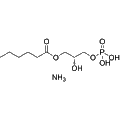
  • 06:0 Lyso PA ammonium
    Cat. No.
    B22048

    06:0 Lyso PA ammonium

    06:0 Lyso PA ammonium is a lysophosphatidic acid (LPA) analog that acts as a bioactive lipid mediator. It primarily targets LPA receptors, playing a crucial role in cell signaling processes. This compound is particularly valuable in research applications related to cell proliferation, migration, and differentiation, making it important for studying various physiological and pathological processes, including cancer and wound healing.

    Out of stock

    All 3 sizes
  • 18:2 PA sodium
    Cat. No.
    B22052

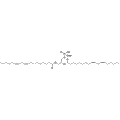
    18:2 PA sodium

    Synonyms: LLPA

    18:2 Phosphatidic Acid (sodium) is a lipid molecule that acts as a crucial signaling mediator in various biological processes. It plays a significant role in membrane dynamics and serves as a precursor for the synthesis of other lipids. This reagent is essential for studying lipid metabolism, cell signaling pathways, and the physiological functions of phospholipids in cellular systems.

    Out of stock

    All 3 sizes
  • 16:0-18:1 PI ammonium
    Cat. No.
    B22053

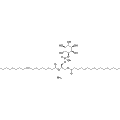
    16:0-18:1 PI ammonium

    Synonyms: 1-Palmitoyl-2-oleoyl-sn-glycero-3-phosphoinositol ammonium

    16:0-18:1 PI ammonium functions as a phosphoinositide, characterized by a cyclic myo-inositol head group. This compound plays a crucial role in cellular signaling processes and membrane dynamics. It is widely utilized in lipid research to study the biological functions of phosphoinositides and their involvement in various cellular pathways.

    Out of stock

    All 3 sizes
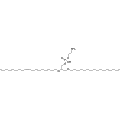
  • D-myo-Inositol-1,4,5-triphosphate triammonium
    Cat. No.
    B22054

    D-myo-Inositol-1,4,5-triphosphate triammonium

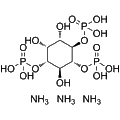
    D-myo-Inositol-1,4,5-triphosphate triammonium is a phosphoinositide that targets lipid signaling pathways. It serves as a crucial second messenger in various cellular processes, including calcium mobilization and phospholipid metabolism. This compound is widely used in research to study inositol phosphate signaling dynamics and its role in cellular response mechanisms.

    Out of stock

    All 3 sizes
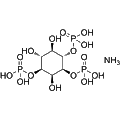
  • 06:0 PI(3,5)P2 ammonium
    Cat. No.
    B22056

    06:0 PI(3,5)P2 ammonium

    Synonyms: PIP2[3',5'](6:0/6:0) ammonium

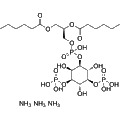
    06:0 PI(3,5)P2 ammonium is a phosphoinositide lipid that primarily targets cellular signaling pathways. This compound is essential for the formation of lipid nanoparticles (LNPs), facilitating effective drug delivery mechanisms. Its unique properties enable researchers to explore various biological processes, particularly in cellular communication and membrane dynamics.

    Out of stock

    All 3 sizes
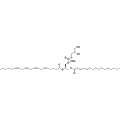
  • 18:0-20:4 PA sodium
    Cat. No.
    B22057

    18:0-20:4 PA sodium

    Synonyms: PA(18:0/20:4(5Z,8Z,11Z,14Z)) sodium

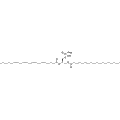
    18:0-20:4 PA sodium is a phosphatidic acid that serves as a key signaling lipid involved in various cellular processes. It demonstrates significant biological activity in modulating cell proliferation, differentiation, and survival pathways. 18:0-20:4 PA sodium is utilized in research applications focusing on lipid metabolism, cell signaling, and the study of membrane dynamics.

    Out of stock

    All 3 sizes
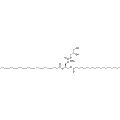
  • 18:0-20:4 PI (3,5) P2 triammonium
    Cat. No.
    B22058

    18:0-20:4 PI (3,5) P2 triammonium

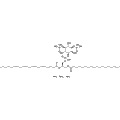
    18:0-20:4 PI (3,5) P2 triammonium is a phosphoinositide lipid that plays a pivotal role in cellular signaling pathways and membrane dynamics. This reagent is suitable for the preparation of lipid nanoparticles (LNPs), which are essential for drug delivery applications. Its unique lipid composition enhances the stability and efficacy of LNP formulations in various biological studies.

    Out of stock

    All 3 sizes
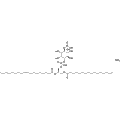
  • VPC 32183 ammonium
    Cat. No.
    B22060

    VPC 32183 ammonium

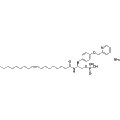
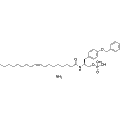
    VPC 32183 ammonium is a phosphatidic acid analog that primarily targets lipid metabolism. It serves as an important tool for studying lipid signaling pathways and membrane dynamics. Its biological activity can aid in investigating various cellular processes, including membrane trafficking and cell proliferation. Researchers can utilize VPC 32183 ammonium to explore lipid-related diseases and the molecular mechanisms underlying lipid homeostasis.

    25 mg
    $1,530.00
    50 mg
    $1,950.00
    All 3 sizes
  • VPC 31143 ammonium
    Cat. No.
    B22061

    VPC 31143 ammonium

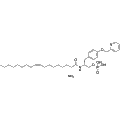
    VPC 31143 ammonium is a phosphatidic acid derivative that acts primarily on lipid metabolism. It is involved in various cellular processes, including membrane formation and signal transduction pathways. This compound is primarily utilized in research applications focusing on lipid biology and the study of metabolic disorders.

    Out of stock

    All 3 sizes
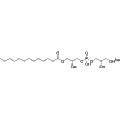
  • 15:0-18:1 PC
    Cat. No.
    B22062

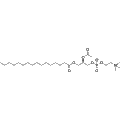
    15:0-18:1 PC

    15:0-18:1 PC is a phosphocholine that plays a vital role in membrane structure and function. This lipid is commonly utilized in studies of cellular signaling and membrane dynamics. Its unique fatty acid composition makes it a valuable tool for investigating lipid-related diseases and the biophysical properties of membranes.

    Out of stock

    All 3 sizes
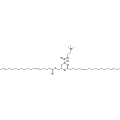
  • VPC 32179 ammonium
    Cat. No.
    B22063

    VPC 32179 ammonium

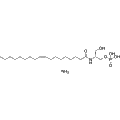
    VPC 32179 ammonium is a phosphatidic acid that targets lipid metabolism. It exhibits significant biological activity through modulation of lipid signaling pathways, making it a valuable tool for studying cellular processes related to lipid homeostasis. This compound is applicable in research investigating the roles of phospholipids in various physiological and pathological contexts.

    25 mg
    $1,275.00
    All 1 sizes
  • VPC12249 ammonium
    Cat. No.
    B22064

    VPC12249 ammonium

    VPC12249 ammonium functions as a phosphatidic acid, targeting lipid metabolism pathways. This compound plays a crucial role in cellular signaling and membrane dynamics, making it essential for research in cell biology and lipid biochemistry. Its capability to modulate lipid-related processes positions VPC12249 as a valuable tool for studying lipid metabolism disorders and cellular signaling mechanisms.

    Out of stock

    All 3 sizes
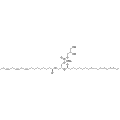
  • 15:0-18:1 PS sodium
    Cat. No.
    B22065

    15:0-18:1 PS sodium

    15:0-18:1 PS sodium targets lipid membranes as a phosphatidylserine. It exhibits properties that modulate cell signaling, apoptosis, and membrane dynamics, making it a valuable reagent for studying cellular processes and lipid bilayer behavior. This compound is widely utilized in research applications related to neuroscience, apoptosis studies, and cell culture models.

    Out of stock

    All 3 sizes
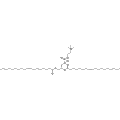
  • 2-18:1 Lyso PC
    Cat. No.
    B22066

    2-18:1 Lyso PC

    Synonyms: 2-Oleoyl-sn-glycero-3-phosphorylcholine

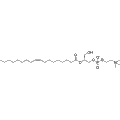
    2-18:1 Lyso PC is a glycerophospholipid that serves as a key component in cellular membranes. It plays a critical role in lipid metabolism and can influence membrane fluidity and signaling pathways. This compound is utilized in various research applications, including studies on membrane dynamics, cell signaling, and lipid-related disorders.

    Out of stock

    All 3 sizes
  • 18:2 Lyso PA
    Cat. No.
    B22067

    18:2 Lyso PA

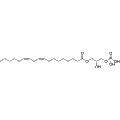
    18:2 Lyso PA is a lysophosphatidic acid that primarily targets lipid signaling pathways. It is known to play a critical role in regulating various biological processes, including cell proliferation, migration, and survival. This compound is widely used in lipid research and cell biology studies to investigate the physiological effects of lysophosphatidic acids and their involvement in cellular communication and inflammation.

    Out of stock

    All 3 sizes
  • 16:0-02:0 PC
    Cat. No.
    B22068

    16:0-02:0 PC

    Synonyms: PC (16:0/2:0)

    16:0-02:0 PC is a glycerophospholipid targeting membrane lipid composition. It plays a crucial role in cellular membrane structure and function, influencing bilayer properties and biological signaling. This reagent is essential for studies related to lipid metabolism, cell membrane dynamics, and the development of lipid-based drug delivery systems.

    Out of stock

    All 3 sizes
  • 16:0-18:1 Diether PE
    Cat. No.
    B22069

    16:0-18:1 Diether PE

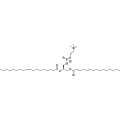
    16:0-18:1 Diether PE is an ether lipid that primarily targets cellular membranes. This compound is integral to membrane structure and function, playing a crucial role in maintaining membrane integrity and fluidity. It is widely utilized in research related to lipid biology, cell signaling, and membrane dynamics.

    Out of stock

    All 3 sizes
  • IP3(1,3,4) ammonium
    Cat. No.
    B22070

    IP3(1,3,4) ammonium

    IP3(1,3,4) ammonium is a phosphoinositide that acts as a secondary messenger in various cellular processes. By influencing calcium signaling and phospholipid metabolism, it plays a critical role in cellular responses to external stimuli. This compound is widely used in research to study signal transduction pathways and to explore the physiological functions associated with inositol phosphates.

    Out of stock

    All 3 sizes
  • 16:0-20:4 PG sodium
    Cat. No.
    B22071

    16:0-20:4 PG sodium

    Synonyms: 1-Palmitoyl-2-arachidonoyl-sn-glycero-3-phospho-(1'-rac-glycerol) sodium

    16:0-20:4 PG sodium is a phosphatidylglycerol that functions primarily as a lipid component in biological membranes. This reagent is essential for research applications involving lipid metabolism and membrane dynamics. Its unique fatty acid composition allows for the study of signaling pathways and membrane interaction phenomena, making it a valuable tool in cellular and molecular biology.

    Out of stock

    All 3 sizes
  • 18:0-22:6 PG sodium
    Cat. No.
    B22072

    18:0-22:6 PG sodium

    Synonyms: PG(18:0/22:6(4Z,7Z,10Z,13Z,16Z,19Z)) sodium

    18:0-22:6 PG sodium is a phosphatidylglycerol that serves as an important lipid component in biological membranes. This compound exhibits significant roles in cell signaling and membrane dynamics, making it ideal for research applications in lipid metabolism and cellular processes. Its unique structure, featuring a saturated fatty acid chain and a highly unsaturated tail, allows for the exploration of lipid interactions and functional studies in various biological systems.

    Out of stock

    All 3 sizes
  • 16:0-18:1 PI(4)P ammonium
    Cat. No.
    B22073

    16:0-18:1 PI(4)P ammonium

    16:0-18:1 PI(4)P ammonium is a phosphoinositide that targets lipid signaling pathways. Its unique structure, featuring a cyclic myo-inositol head group, distinguishes it from typical phospholipids. This reagent is valuable for studying cellular processes such as membrane dynamics, signaling, and the regulation of cytoskeletal organization in various biological systems.

    Out of stock

    All 3 sizes
  • 13:0 Lyso PG sodium
    Cat. No.
    B22074

    13:0 Lyso PG sodium

    Synonyms: PG(13:0/0:0) sodium

    13:0 Lyso PG sodium is a phosphatidylglycerol derivative that serves as a key lipid component in cell membranes. It is primarily utilized in lipid bilayer studies and as a model compound for investigating lipid interactions and signaling pathways. This reagent is instrumental in research applications focusing on membrane dynamics, cell signaling, and lipid metabolism.

    Out of stock

    All 3 sizes
  • 18:1 (Δ6-Cis) PC
    Cat. No.
    B22075

    18:1 (Δ6-Cis) PC

    Synonyms: PC(18:1(6Z)/18:1(6Z))

    18:1 (Δ6-Cis) PC is a phospholipid with demonstrated roles in cell membrane structure and function. As an essential component of lipid bilayers, it can influence membrane fluidity, signal transduction, and cellular interactions. This reagent is utilized in various research applications, including studies on lipid metabolism, membrane biophysics, and pathologies related to lipid dysregulation.

    Out of stock

    All 3 sizes
  • 18:3 PG sodium
    Cat. No.
    B22076

    18:3 PG sodium

    Synonyms: PG(18:3(9Z,12Z,15Z)/18:3(9Z,12Z,15Z)) sodium

    18:3 PG sodium is a phosphatidylglycerol that serves as a key component of biological membranes. This lipid is crucial for membrane fluidity and stability, making it essential in studies related to cell signaling and membrane dynamics. Its applications extend to various areas of lipid metabolism and synthetic biology, providing valuable insights into cell function and membrane interactions.

    Out of stock

    All 3 sizes
  • 18:1 (8-cis) PC
    Cat. No.
    B22077

    18:1 (8-cis) PC

    18:1 (8-cis) PC is a cis-monounsaturated phospholipid that plays a crucial role in cellular membrane structure and function. Its primary mechanism involves modulating membrane fluidity and permeability, which can significantly influence cellular signaling pathways and lipid metabolism. This compound is essential for studies related to membrane biophysics and cellular processes such as membrane fusion and protein localization. Researchers utilize 18:1 (8-cis) PC in investigations focusing on lipid bilayer properties, drug delivery systems, and the characterization of lipid interactions within biological systems.

    Out of stock

    All 3 sizes

Items 251-275 of 279

Added to your cart

View Cart Checkout

    Loading...