Fungal

Antifungal compounds in Fungal act on fungal membranes, ergosterol synthesis and other targets in yeasts and molds. Ergosterol is the main sterol of fungal membranes, so its synthesis pathway is the most common antifungal target. Azoles such as fluconazole, miconazole and oxiconazole inhibit lanosterol 14α-demethylase, a cytochrome P450 enzyme needed for ergosterol synthesis. Terbinafine and liranaftate inhibit squalene epoxidase at an earlier step of the same pathway. The morpholine amorolfine blocks later steps of ergosterol synthesis, while the polyene natamycin binds ergosterol itself. Thiabendazole, a benzimidazole, is also listed for fungal and parasitology research.

6 Items

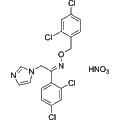
  • Oxiconazole nitrate
    Cat. No.
    A11640

    Oxiconazole nitrate

    Synonyms: Ro 13-8996

    Oxiconazole nitrate is a broad-spectrum antifungal agent targeting various fungal pathogens, including Candida, Aspergillus, and Trichophyton. In addition to its antifungal properties, it acts as a potent activator of CYP3A4 transactivation, with the potential for competitive antagonism by Rifampicin. Furthermore, Oxiconazole nitrate exhibits inhibitory effects against colorectal cancer through mechanisms involving peroxiredoxin-2 (PRDX2)-mediated autophagy arrest, making it valuable for research in both antifungal therapy and cancer biology.

    5 mg
    $30.00
    10 mg
    $45.00
    All 7 sizes
  • (+)-Medioresinol
    Cat. No.
    A25864

    (+)-Medioresinol

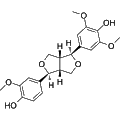
    (+)-Medioresinol is a furofuran-type lignan that exhibits notable antifungal and antibacterial activities. It enhances the efficacy of antibiotics through its antimicrobial and antibiofilm properties and promotes intracellular reactive oxygen species (ROS) accumulation, leading to mitochondrial-mediated apoptosis in Candida albicans. Additionally, (+)-Medioresinol inhibits LPS-stimulated IL-12p40 production and acts as a PGC-1α activator, providing protection against endothelial cell pyroptosis in ischemic stroke via the PPARα-GOT1 axis. This compound is valuable for research into fungal and bacterial infections, inflammatory responses, and ischemic stroke mechanisms.

    1 mg
    $330.00
    5 mg
    $740.00
    All 3 sizes
  • Nortrachelogenin
    Cat. No.
    A31296

    Nortrachelogenin

    Synonyms: (-)-Wikstromol; (-)-Nortrachelogenin

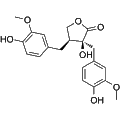
    Nortrachelogenin, also known as (-)-Wikstromol, is an apoptosis activator isolated from Partrinia scabiosaefolia. It has been shown to induce apoptotic responses in the fungal pathogen Candida albicans, making it a valuable reagent for research on fungal apoptosis and related cellular processes. This compound can facilitate the investigation of therapeutic strategies targeting fungal infections.

    1 mg
    $85.00
    5 mg
    $245.00
    All 5 sizes
  • Melittin free acid
    Cat. No.
    A32622

    Melittin free acid

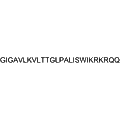
    Melittin free acid is a 26-amino-acid polypeptide and a potent activator of phospholipase A2 (PLA2) with significant antifungal activity. It demonstrates broad-spectrum antifungal efficacy, displaying minimum inhibitory concentration (MIC) values between 0.4-60 μM. Melittin free acid exerts its biological effects by promoting fungal cell apoptosis, inhibiting (1,3)-β-D-glucan synthase, and engaging in various other cellular pathways, making it a valuable reagent for research in antifungal mechanisms and therapeutic applications.

    Out of stock

    All 3 sizes
  • TMC-205
    Cat. No.
    A73976

    TMC-205

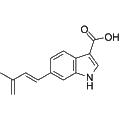
    TMC-205 is a natural fungal metabolite that acts as an SV40 promoter activator. It exhibits significant antiproliferative activity against various cancer cell lines, making it a valuable tool for cancer research. This compound is useful for studies on transcriptional regulation and the mechanisms of oncogenesis.

    Out of stock

    All 3 sizes
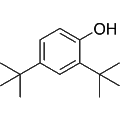
  • 2,4-Di-tert-butylphenol
    Cat. No.
    B21797

    2,4-Di-tert-butylphenol

    Synonyms: 2,4-DTBP

    2,4-Di-tert-butylphenol (2,4-DTBP) is a potent RXRα activator and a ligand for human estrogen receptors, exhibiting significant anti-inflammatory and antioxidant properties. This compound has the capacity to induce apoptosis in tumor cells and can activate various RXRα-associated pathways, including LXRα/RXRα and PPARγ/RXRα. Additionally, 2,4-DTBP demonstrates antiviral and antifungal activities while also showing potential to mitigate Aβ-induced neurotoxicity. It serves as a valuable intermediate for synthesizing antioxidants, UV stabilizers, and is utilized in pharmaceutical and fragrance manufacturing.

    10 g
    $25.00
    100 g
    $30.00
    All 3 sizes

6 Items

Added to your cart

View Cart Checkout

    Loading...