Carbohydrates & Glycobiology

Carbohydrates for glycobiology research range from sugars and sugar alcohols to amino sugars and polysaccharides. Sugar alcohols such as D-Sorbitol and maltitol are used as osmotic agents, stabilizers and enzyme substrates. Among the sugars, lactulose is a synthetic disaccharide built from galactose and fructose. Glucosamine and its salts represent the amino sugars, which are building blocks of glycosaminoglycans and chitin. Polysaccharides include hyaluronic acid, a glycosaminoglycan of the extracellular matrix, and chitosan, the deacetylated form of chitin. Protected sugars such as D-Xylofuranose, 1,2,3,5-tetraacetate serve as starting materials for nucleoside synthesis. The category belongs to Biochemical Assay Reagents, next to Acyl-CoA & Cofactors and Chelators & Bifunctional Chelators.

Items 376-400 of 1090

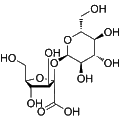
  • α-D-Glucopyranosyl β-D-arabino-2-hexulofuranosidonic acid
    Cat. No.
    A90217

    α-D-Glucopyranosyl β-D-arabino-2-hexulofuranosidonic acid

    α-D-Glucopyranosyl β-D-arabino-2-hexulofuranosidonic acid functions as a biochemical assay reagent. This compound is designed to facilitate the study of carbohydrate interactions and enzyme activity in various biochemical processes. Its unique structure allows for applications in glycosylation studies and the exploration of carbohydrate-binding proteins, contributing to advancements in glycobiology research.

    Out of stock

    All 3 sizes
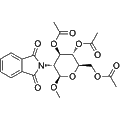
  • Methyl3,4,6-tri-O-acetyl-2-deoxy-2-phthalimido-b-D-glucopyranoside
    Cat. No.
    A90219

    Methyl3,4,6-tri-O-acetyl-2-deoxy-2-phthalimido-b-D-glucopyranoside

    Methyl 3,4,6-tri-O-acetyl-2-deoxy-2-phthalimido-β-D-glucopyranoside is a chemical compound utilized in glycobiology research. It serves as a key reagent for investigating the structure and biological roles of glycan molecules, crucial for understanding carbohydrate chemistry and enzymatic processes related to glycan synthesis and degradation. This compound is instrumental in studies focused on protein-glycan interactions and the impact of glycans on various biological functions, contributing significantly to advancements in basic research, biomedicine, and biotechnology.

    100 mg
    $90.00
    500 mg
    $260.00
    All 4 sizes
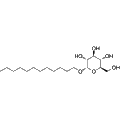
  • Dodecyl α-D-glucopyranoside
    Cat. No.
    A90220

    Dodecyl α-D-glucopyranoside

    Dodecyl α-D-glucopyranoside is a non-ionic surfactant derived from glucopyranose, primarily utilized as a biochemical assay reagent. It facilitates membrane protein solubilization and aids in the study of glycosylation patterns in glycobiology research. This compound is essential for probing cellular membranes and analyzing interactions between lipids and proteins.

    5 mg
    $25.00
    10 mg
    $40.00
    All 6 sizes
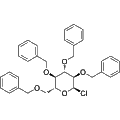
  • Chloro 2,3,4,6-Tetra-O-benzyl-α-D-glucopyranoside
    Cat. No.
    A90224

    Chloro 2,3,4,6-Tetra-O-benzyl-α-D-glucopyranoside

    Chloro 2,3,4,6-Tetra-O-benzyl-α-D-glucopyranoside serves as a biochemical assay reagent specifically designed for glycosylation studies. This compound demonstrates key carbohydrate reactivity, making it suitable for probing enzyme activity and substrate specificity in glycosyltransferase assays. Its capacity to provide a stable benzyl protection strategy enhances its utility in oligosaccharide synthesis and related research applications within carbohydrate chemistry.

    Out of stock

    All 3 sizes
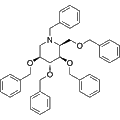
  • N-Benzyl-2,3,4,6-tetra-O-benzyl-1,5-dideoxy-imino-L-iditol
    Cat. No.
    A90242

    N-Benzyl-2,3,4,6-tetra-O-benzyl-1,5-dideoxy-imino-L-iditol

    N-Benzyl-2,3,4,6-tetra-O-benzyl-1,5-dideoxy-imino-L-iditol is a specialized biochemical reagent targeting glycobiology. It is instrumental in studying the structure and function of carbohydrates, facilitating research into glycan synthesis, recognition, and degradation processes. This compound aids in the exploration of glycan roles within biological systems, making it a valuable tool for researchers in basic science, biomedicine, and biotechnology applications.

    2 mg
    $150.00
    5 mg
    $205.00
    All 3 sizes
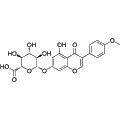
  • Biochanin A-7-O-β-D-glucuronide
    Cat. No.
    A90246

    Biochanin A-7-O-β-D-glucuronide

    Biochanin A-7-O-β-D-glucuronide is a glucuronidated derivative of the phytoestrogen biochanin A, primarily utilized as a biochemical assay reagent. This compound facilitates the examination of metabolic activities associated with phytoestrogens, enabling insights into their ecological roles. It is particularly valuable in exploring plant-environment interactions and understanding the environmental impacts of these metabolites in various ecosystems.

    Out of stock

    All 3 sizes
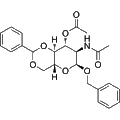
  • Benzyl 2-acetamido-4,6-O-benzylidene-2-deoxy-α-D-glucopyranoside 3-acetate
    Cat. No.
    A90247

    Benzyl 2-acetamido-4,6-O-benzylidene-2-deoxy-α-D-glucopyranoside 3-acetate

    Benzyl 2-acetamido-4,6-O-benzylidene-2-deoxy-α-D-glucopyranoside 3-acetate is a valuable reagent in glycobiology, targeting the study of carbohydrate structures and dynamics. This compound facilitates research into glycan synthesis, recognition processes, and the biological roles of carbohydrates in various systems. Its applications extend to basic research, biomedicine, and biotechnology, contributing to a deeper understanding of glycan-related phenomena in biological contexts.

    Out of stock

    All 3 sizes
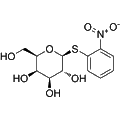
  • 2-Nitrophenyl-β-D-thiogalactopyranoside
    Cat. No.
    A90248

    2-Nitrophenyl-β-D-thiogalactopyranoside

    Synonyms: 2-Nitrophenyl-beta-D-thiogalactopyranoside

    2-Nitrophenyl-β-D-thiogalactopyranoside is a chromogenic substrate specifically designed for the detection of galactosidase activity. Upon hydrolysis by galactosidase, it produces a yellow product that can be quantified spectrophotometrically. This reagent is widely utilized in various biological and biochemical assays to study enzyme activity and metabolic processes involving galactose.

    Out of stock

    All 3 sizes
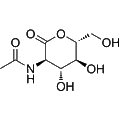
  • 2-Acetamido-2-deoxy-D-glucono-1,5-lactone, 90%
    Cat. No.
    A90250

    2-Acetamido-2-deoxy-D-glucono-1,5-lactone, 90%

    2-Acetamido-2-deoxy-D-glucono-1,5-lactone primarily targets sugar metabolism. This compound is utilized in biochemical research to study glycosylation processes and the role of amino sugars in cellular functions. Its structure allows for investigations into carbohydrate derivative synthesis and potential applications in understanding metabolic pathways related to glycoproteins.

    1 mg
    $140.00
    5 mg
    $365.00
    All 3 sizes
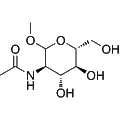
  • Methyl 2-(acetylamino)-2-deoxy-D-glucopyranoside
    Cat. No.
    A90252

    Methyl 2-(acetylamino)-2-deoxy-D-glucopyranoside

    Methyl 2-(acetylamino)-2-deoxy-D-glucopyranoside is a biochemical reagent utilized in glycobiology research. This compound plays a critical role in the study of carbohydrate structures, their synthesis, and enzymatic processes involved in glycan formation and degradation. Research applications include the investigation of protein-glycan interactions and the overarching influence of glycans in biological systems, making it pertinent to fields such as biomedicine and biotechnology.

    Out of stock

    All 3 sizes
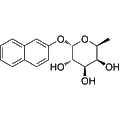
  • 2-Naphthalenyl 6-deoxy-α-L-galactopyranoside
    Cat. No.
    A90253

    2-Naphthalenyl 6-deoxy-α-L-galactopyranoside

    2-Naphthalenyl 6-deoxy-α-L-galactopyranoside is a biochemical assay reagent that serves as a glycosylation substrate. This compound is valuable in glycobiology research for studying glycan interactions and the role of carbohydrates in cellular processes. Its unique structure enables the investigation of glycan-mediated biological functions, making it a useful tool for researchers in the field.

    Out of stock

    All 3 sizes
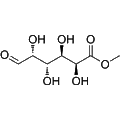
  • Methyl D-galacturonate
    Cat. No.
    A90259

    Methyl D-galacturonate

    Methyl D-galacturonate is a biochemical reagent targeting the field of glycobiology. It plays a crucial role in the investigation of glycans, including their structure, synthesis, and functions in biological systems. This compound is essential for studying carbohydrate chemistry, enzymatic processes of glycan formation and degradation, as well as protein-glycan interactions. Applications of Methyl D-galacturonate extend to basic research, biomedicine, and various biotechnological advancements.

    Out of stock

    All 3 sizes
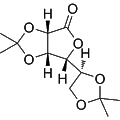
  • 2,3:5,6-Di-O-isopropylidene-L-gulono-1,4-lactone
    Cat. No.
    A90260

    2,3:5,6-Di-O-isopropylidene-L-gulono-1,4-lactone

    2,3:5,6-Di-O-isopropylidene-L-gulono-1,4-lactone is a biochemical reagent utilized in glycobiology research, focusing on the structure and synthesis of complex carbohydrates. This compound is integral for studying carbohydrate chemistry, enzymatic processes involved in glycan formation and degradation, as well as protein-glycan interactions. Its applications extend across fundamental research, biomedicine, and biotechnology, facilitating the exploration of glycans' biological significance and evolutionary aspects.

    100 mg
    $35.00
    1 g
    $70.00
    All 4 sizes
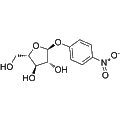
  • 4-Nitrophenyl α-L-arabinofuranoside
    Cat. No.
    A90264

    4-Nitrophenyl α-L-arabinofuranoside

    4-Nitrophenyl α-L-arabinofuranoside is a biochemical assay reagent that serves as a substrate for the enzymatic detection of arabinofuranosidases. This compound efficiently releases 4-nitrophenol upon hydrolysis, enabling the quantification of enzymatic activity in various biological samples. It is widely utilized in biochemical research and enzymology to study carbohydrate-active enzymes and their substrates.

    5 mg
    $100.00
    10 mg
    $185.00
    All 2 sizes
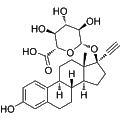
  • Ethynyl estradiol 17-β-D-glucuronide
    Cat. No.
    A90267

    Ethynyl estradiol 17-β-D-glucuronide

    Ethynyl estradiol 17-β-D-glucuronide is a glycosylated form of the estrogen receptor modulator, specifically targeting glycobiology applications. This compound plays a critical role in the study of glycan structures and their biological implications, facilitating research into carbohydrate chemistry, enzyme interactions, and protein-glycan recognition. Its utility extends to investigations in basic research, biomedicine, and biotechnology, aiding in the understanding of glycan-related processes in various biological systems.

    1 mg
    $490.00
    5 mg
    $2,215.00
    All 2 sizes
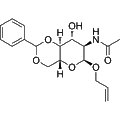
  • Allyl 2-(acetylamino)-2-deoxy-4,6-O-(phenylmethylene)-α-D-glucopyranoside
    Cat. No.
    A90280

    Allyl 2-(acetylamino)-2-deoxy-4,6-O-(phenylmethylene)-α-D-glucopyranoside

    Allyl 2-(acetylamino)-2-deoxy-4,6-O-(phenylmethylene)-α-D-glucopyranoside is a biochemical reagent targeting glycobiology. It plays a crucial role in the study of glycan structure, synthesis, and their biological functions. This compound is integral to research applications involving carbohydrate chemistry, protein-glycan interactions, and the enzymology of glycan metabolism. Its use enhances understanding of the role of glycans in various biological systems, linking fundamental research with biomedicine and biotechnology.

    10 mg
    $70.00
    25 mg
    $125.00
    All 3 sizes
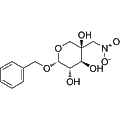
  • Phenylmethyl 4-C-(nitromethyl)-β-D-arabinopyranoside
    Cat. No.
    A90282

    Phenylmethyl 4-C-(nitromethyl)-β-D-arabinopyranoside

    Phenylmethyl 4-C-(nitromethyl)-β-D-arabinopyranoside is a biochemical reagent targeting the study of glycobiology. It plays a crucial role in examining the structure, synthesis, and biological functions of glycans, facilitating insights into carbohydrate chemistry and the enzymatic processes involved in glycan formation and degradation. This compound is essential for investigations into protein-glycan interactions and the broader implications of glycans in various biological systems, making it valuable for research in basic science, biomedicine, and biotechnology.

    10 mg
    $280.00
    100 mg
    $2,110.00
    All 2 sizes
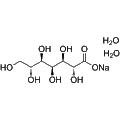
  • α-D-Glucoheptonic acid sodium
    Cat. No.
    A90285

    α-D-Glucoheptonic acid sodium

    α-D-Glucoheptonic acid sodium is a biochemical assay reagent that exhibits immunomodulatory effects and possesses chelating properties. This compound is useful in various laboratory applications, particularly in the study of immune responses and the formulation of cleaning agents. Its ability to interact with metal ions makes it a valuable tool for research in biochemistry and analytical science.

    1 mg
    $20.00
    25 g
    $25.00
    All 4 sizes
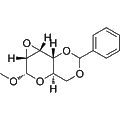
  • Methyl 2,3-anhydro-4,6-O-benzylidene-α-D-allopyranoside
    Cat. No.
    A90290

    Methyl 2,3-anhydro-4,6-O-benzylidene-α-D-allopyranoside

    Methyl 2,3-anhydro-4,6-O-benzylidene-α-D-allopyranoside is a biochemical assay reagent employed in various life science research applications. Its unique structure enables it to act as a substrate in glycosylation and other enzymatic reactions. This compound serves as a valuable tool for studying carbohydrate chemistry and interactions in biological systems.

    Out of stock

    All 3 sizes
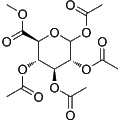
  • Methyl 1,2,3,4-tetra-O-acetyl-D-glucopyranuronate
    Cat. No.
    A90291

    Methyl 1,2,3,4-tetra-O-acetyl-D-glucopyranuronate

    Methyl 1,2,3,4-tetra-O-acetyl-D-glucopyranuronate is a biochemical assay reagent targeting glycosylation processes. This compound serves as a valuable substrate in glycobiology research, facilitating studies on carbohydrate structures and their biological implications. Its application aids in elucidating glycan interactions and functions in various cellular contexts.

    1 g
    $25.00
    5 g
    $60.00
    All 6 sizes
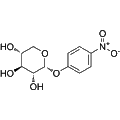
  • p-Nitrophenyl α-D-xylopyranoside
    Cat. No.
    A90294

    p-Nitrophenyl α-D-xylopyranoside

    Synonyms: p-Nitrophenyl alpha-D-xylopyranoside

    p-Nitrophenyl α-D-xylopyranoside serves as a chromogenic substrate for the enzyme α-xylosidase. Upon enzymatic cleavage, it releases p-nitrophenol, which can be quantitatively measured, providing a valuable tool for studying α-xylosidase activity. This reagent is widely used in enzyme assays and various research applications involving carbohydrate metabolism and glycoprotein synthesis.

    25 mg
    $145.00
    50 mg
    $215.00
    All 5 sizes
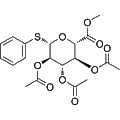
  • Methyl (phenyl 2,3,4-Tri-O-acetyl-1-thio-β-D-glucopyranosid)uronate
    Cat. No.
    A90297

    Methyl (phenyl 2,3,4-Tri-O-acetyl-1-thio-β-D-glucopyranosid)uronate

    Methyl (phenyl 2,3,4-Tri-O-acetyl-1-thio-β-D-glucopyranosid)uronate is a biochemical reagent that targets glycobiology, facilitating research on the structural and functional aspects of carbohydrates. This compound is instrumental in studies focusing on carbohydrate chemistry, the enzymatic processes involved in glycan synthesis and degradation, as well as protein-glycan interactions. Its application supports investigations across various domains, including basic research, biomedicine, and biotechnology.

    100 mg
    $75.00
    250 mg
    $125.00
    All 3 sizes
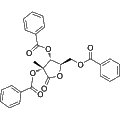
  • D-Ribonic acid,2-C-methyl,γ-lactone,2,3,5-tribenzoate
    Cat. No.
    A90299

    D-Ribonic acid,2-C-methyl,γ-lactone,2,3,5-tribenzoate

    D-Ribonic acid, 2-C-methyl, γ-lactone, 2,3,5-tribenzoate is a specialized biochemical reagent utilized in glycobiology. This compound is important for understanding the structure and synthesis of glycans, as well as their biological roles and interactions. Its applications span carbohydrate chemistry, enzymatic processes involved in glycan formation and degradation, and protein-glycan recognition, making it valuable for research in fundamental biology, biomedicine, and biotechnology.

    Out of stock

    All 3 sizes
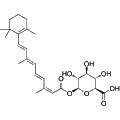
  • 13-cis Retinoyl β-D-glucuronide
    Cat. No.
    A90302

    13-cis Retinoyl β-D-glucuronide

    13-cis Retinoyl β-D-glucuronide serves as a biochemical reagent primarily aimed at glycobiology research. This compound plays a crucial role in studying the structure and synthesis of glycans, as well as their biological functions and interactions. Applications include exploring carbohydrate chemistry, enzymatic processes of glycan formation and degradation, and the roles of glycan-protein recognition in various biological systems. Its relevance extends to basic research, biomedicine, and biotechnology, making it an essential tool in the field.

    Out of stock

    All 3 sizes
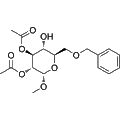
  • α-D-Glucopyranoside,methyl 6-O-(phenylmethyl),2,3-diacetate
    Cat. No.
    A90303

    α-D-Glucopyranoside,methyl 6-O-(phenylmethyl),2,3-diacetate

    α-D-Glucopyranoside, methyl 6-O-(phenylmethyl), 2,3-diacetate is a biochemical reagent utilized in glycobiology research. This compound facilitates the investigation of carbohydrate chemistry, glycan synthesis and degradation, and protein-glycan interactions. Its applications extend to studies of glycan functions in biological systems, contributing valuable insights to basic research and advancements in biomedicine and biotechnology.

    Out of stock

    All 3 sizes

Items 376-400 of 1090

Added to your cart

View Cart Checkout

    Loading...