Carbohydrates & Glycobiology

Carbohydrates for glycobiology research range from sugars and sugar alcohols to amino sugars and polysaccharides. Sugar alcohols such as D-Sorbitol and maltitol are used as osmotic agents, stabilizers and enzyme substrates. Among the sugars, lactulose is a synthetic disaccharide built from galactose and fructose. Glucosamine and its salts represent the amino sugars, which are building blocks of glycosaminoglycans and chitin. Polysaccharides include hyaluronic acid, a glycosaminoglycan of the extracellular matrix, and chitosan, the deacetylated form of chitin. Protected sugars such as D-Xylofuranose, 1,2,3,5-tetraacetate serve as starting materials for nucleoside synthesis. The category belongs to Biochemical Assay Reagents, next to Acyl-CoA & Cofactors and Chelators & Bifunctional Chelators.

Items 1-25 of 136

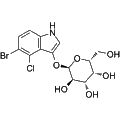
  • X-GAL
    Cat. No.
    A44459

    X-GAL

    Synonyms: BCIG

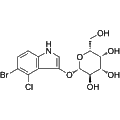
    X-GAL is a chromogenic substrate for β-galactosidase that serves as a vital tool in molecular biology. Upon enzymatic cleavage by β-galactosidase, X-GAL is converted from a colorless state to a blue, insoluble product, facilitating the identification of recombinant bacterial colonies in blue-white screening applications. Additionally, X-GAL is utilized for quantifying β-galactosidase activity, making it an essential reagent in various cloning and gene expression studies.

    200 mg
    $25.00
    500 mg
    $45.00
    All 4 sizes
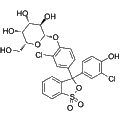
  • Chlorophenol red-β-D-galactopyranoside
    Cat. No.
    A44473

    Chlorophenol red-β-D-galactopyranoside

    Synonyms: CPRG

    Chlorophenol red-β-D-galactopyranoside is a specific chromogenic substrate for β-galactosidase, facilitating quantitative colorimetric assays. Initially appearing pale yellow, it undergoes hydrolysis by β-galactosidase to release chlorophenol red, resulting in a color shift to purple-red in alkaline or neutral pH environments. This chromatic change can be accurately measured at wavelengths of 540-572 nm using visible spectrophotometry, making it a valuable tool in various research applications involving β-galactosidase activity.

    5 mg
    $40.00
    10 mg
    $65.00
    All 7 sizes
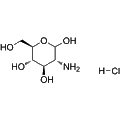
  • 2-Amino-2-deoxyglucose hydrochloride
    Cat. No.
    A66986

    2-Amino-2-deoxyglucose hydrochloride

    Synonyms: D-Glucosamine Hydrochloride

    2-Amino-2-deoxyglucose hydrochloride is a glucose analog that serves as a substrate for the GLUT1 transporter. It exhibits significant potential as a tumor-targeting ligand and a component in the fabrication of prodrug conjugates, facilitating targeted drug delivery to cancer cells. This reagent is valuable in diagnostic imaging and evaluating therapeutic outcomes in solid tumors, including breast cancer and glioblastoma. Additionally, it contributes to investigations into bacterial resistance mechanisms, particularly by incorporating into the peptidoglycan of Streptococcus pneumoniae, aiding in the evasion of lysozyme digestion. This compound is essential for research in tumor metabolism and antibiotic resistance studies.

    50 mg
    $25.00
    100 mg
    $40.00
    All 2 sizes
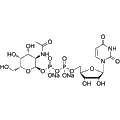
  • UDP-GalNAc disodium
    Cat. No.
    A71177

    UDP-GalNAc disodium

    Synonyms: UDP-N-acetyl-D-galactosamine disodium

    UDP-GalNAc disodium is a sugar nucleotide that serves as a substrate for EpsC115, a mutant form of the enzyme with the first 115 N-terminal residues deleted. This compound acts as a donor substrate for N-acetylgalactosaminyltransferases, facilitating the transfer of GalNAc to various sugar or peptide acceptors. UDP-GalNAc disodium is instrumental in glycosylation reactions and has applications in cancer research, particularly in the study of colorectal and breast cancers.

    1 mg
    $65.00
    5 mg
    $130.00
    All 6 sizes
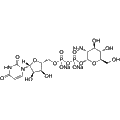
  • UDP-glucosamine disodium
    Cat. No.
    A71678

    UDP-glucosamine disodium

    UDP-glucosamine disodium serves as a substrate for O-GlcNAc transferase, facilitating the conjugation of O-GlcNAc to target proteins. This modification plays a crucial role in various cellular processes, including signal transduction and transcriptional regulation. Additionally, UDP-glucosamine is produced via the hexosamine biosynthesis pathway, which is primarily controlled by glucose-6-phosphate and the enzyme GFAT. Its applications in research include studying O-GlcNAcylation dynamics and investigating the implications of glycosylation in cellular functions and disease mechanisms.

    1 mg
    $200.00
    5 mg
    $515.00
    All 3 sizes
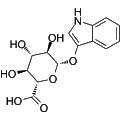
  • 3-Indolyl-β-D-glucuronide
    Cat. No.
    A72608

    3-Indolyl-β-D-glucuronide

    3-Indolyl-β-D-glucuronide serves as a chromogenic substrate for β-D-glucuronidase, facilitating the detection and enumeration of E. coli through the formation of a blue precipitate upon enzymatic cleavage. Additionally, it holds potential as a novel indicator for renal failure in patient plasma, providing valuable insights for clinical research and diagnostics. This compound is pivotal for studies in microbiology and renal function assessment.

    25 mg
    $165.00
    All 1 sizes
  • beta-1,3-Galactosyltransferase (CgtB)
    Cat. No.
    A73234

    beta-1,3-Galactosyltransferase (CgtB)

    Beta-1,3-Galactosyltransferase (CgtB) is a biochemical enzyme that catalyzes the transfer of galactose to specific substrates, playing a crucial role in the biosynthesis of sialylated lipooligosaccharides (LOSSIAL). This enzyme is essential for the production of GM1-like LOSSIAL structures, making it valuable for studies related to glycoprotein and glycolipid biosynthesis. Beta-1,3-Galactosyltransferase (CgtB) is commonly employed in biochemical research to investigate glycobiology and its implications in cell signaling and immunology.

    1 mg
    $115.00
    All 1 sizes
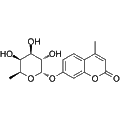
  • 4-Methylumbelliferyl α-L-fucopyranoside
    Cat. No.
    A73236

    4-Methylumbelliferyl α-L-fucopyranoside

    4-Methylumbelliferyl α-L-fucopyranoside is a substrate for the enzyme α-L-fucosidase, which plays a crucial role in glycoprotein processing. This compound is known to enhance the capacitation of porcine sperm and provides protection against premature acrosome reactions. Additionally, it exhibits distinct hydrophobicity and isoelectric focusing characteristics, making it valuable for various biochemical studies and applications in reproductive biology.

    0.5 mg
    $80.00
    1 mg
    $110.00
    All 4 sizes
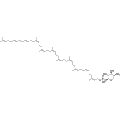
  • L-4-Aminoarabinose-bactoprenyl phosphate
    Cat. No.
    A73739

    L-4-Aminoarabinose-bactoprenyl phosphate

    Synonyms: L-4-Aminoarabinose-BP

    L-4-Aminoarabinose-bactoprenyl phosphate (L-4-Aminoarabinose-BP) is a substrate of the ArnT enzyme, involved in the modification of lipid A through covalent modifications. This reagent facilitates the transfer of L-4-aminoarabinose (Ara4N) to lipid A in lipopolysaccharides (LPS), aiding Gram-negative bacteria in acquiring resistance to cationic antimicrobial peptides (CAMPs). As an endogenous intermediate synthesized by enzymes from the arn operon, such as ArnC and ArnD, L-4-Aminoarabinose-bactoprenyl phosphate plays a crucial role in understanding bacterial resistance mechanisms.

    Out of stock

    All 3 sizes
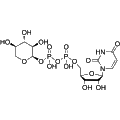
  • UDP-xylose
    Cat. No.
    A74092

    UDP-xylose

    UDP-xylose is a fundamental sugar nucleotide that acts as a catalytic substrate for UDP-xylose synthase (UXS). As a key sugar donor, it facilitates the synthesis of glycoproteins, polysaccharides, oligosaccharides, and various metabolites in plants, vertebrates, and fungi. UDP-xylose is crucial in the biosynthesis of proteoglycans and plays a significant role in the regulation of extracellular matrix components. This reagent is valuable for research in glycobiology, particularly in studying proteoglycan biosynthesis and associated connective tissue disorders.

    5 mg
    $230.00
    All 1 sizes
  • ADP-specific glucokinase, pyrococcus furiosus
    Cat. No.
    A74944

    ADP-specific glucokinase, pyrococcus furiosus

    Synonyms: ADP-dependent hexokinase; pyrococcus furiosus

    ADP-Specific Glucokinase from Pyrococcus furiosus is an enzyme that specifically phosphorylates glucose into glucose-6-phosphate using ADP as a co-substrate, thereby facilitating glycolytic pathways. This enzyme demonstrates significant biological activity, including the activation of T-cells and enhancement of macrophage phagocytic functions. Applications of ADP-Specific Glucokinase encompass research in metabolic diseases, neurological disorders, and cancer studies, providing insights into glucose metabolism and immune responses.

    Out of stock

    All 3 sizes
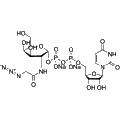
  • UDP-GalNAz disodium
    Cat. No.
    A75027

    UDP-GalNAz disodium

    Synonyms: UDP-N-azidoacetylgalactosamine disodium

    UDP-GalNAz disodium is an analogue of UDP-GalNAc disodium, serving as a donor substrate for N-acetylgalactosaminyltransferases, which facilitate the transfer of GalNAc to various saccharide or peptide acceptors. This compound features an azide group, making it a valuable reagent for click chemistry applications. UDP-GalNAz disodium can participate in copper-catalyzed azide-alkyne cycloaddition (CuAAc) reactions with alkyne-bearing molecules, as well as strain-promoted alkyne-azide cycloaddition (SPAAC) reactions involving DBCO or BCN groups. It is useful in the study of glycosylation pathways and the synthesis of complex glycoproteins.

    5 mg
    $345.00
    10 mg
    $555.00
    All 2 sizes
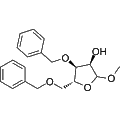
  • Methyl 3,5-di-O-benzyl-D-ribofuranoside
    Cat. No.
    A76731

    Methyl 3,5-di-O-benzyl-D-ribofuranoside

    Methyl 3,5-di-O-benzyl-D-ribofuranoside is a sugar derivative that serves as a substrate in various biochemical applications. This compound enhances mitochondrial oxygen consumption, making it valuable for studies related to mitochondrial function and energy metabolism. It can be used in research focused on cellular respiration and the role of carbohydrates in bioenergetics.

    Out of stock

    All 3 sizes
  • CMP-sialic acid synthetase (NmCSS)
    Cat. No.
    A77844

    CMP-sialic acid synthetase (NmCSS)

    CMP-sialic acid synthetase (NmCSS) is a critical enzyme that catalyzes the conversion of free sialic acid into CMP-sialic acid, the sole substrate for sialyltransferases. This enzymatic activity is vital for the biosynthesis of glycoconjugates and other carbohydrate structures that incorporate sialic acids. NmCSS is an important target for research in glycobiology and offers applications in the study of cell signaling, infection mechanisms, and the development of therapeutic strategies.

    50 mg
    $110.00
    200 mg
    $220.00
    All 2 sizes
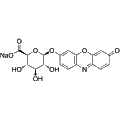
  • Resorufin β-D-glucuronide sodium
    Cat. No.
    A78194

    Resorufin β-D-glucuronide sodium

    Resorufin β-D-glucuronide sodium serves as a substrate for the enzyme β-glucuronidase, facilitating the assessment of enzyme activity in various biochemical assays. This compound is particularly valuable for studies involving drug metabolism, pharmacokinetics, and the investigation of glucuronidation processes. Its utility in fluorescence-based assays allows for sensitive detection and quantification of β-glucuronidase activity in biological samples.

    Out of stock

    All 3 sizes
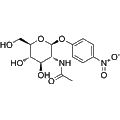
  • 4-Nitrophenyl-N-acetyl-β-D-glucosaminide
    Cat. No.
    A86407

    4-Nitrophenyl-N-acetyl-β-D-glucosaminide

    4-Nitrophenyl-N-acetyl-β-D-glucosaminide serves as a substrate for N-acetyl-beta-D-hexosaminidase (NAGase), facilitating precise and efficient enzymatic assays for this target. Its high solubility and stability make it an ideal choice for biochemical studies. This compound is particularly valuable in research applications focused on renal tubular injury and related pathophysiological conditions.

    100 mg
    $25.00
    200 mg
    $30.00
    All 4 sizes
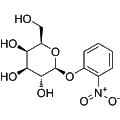
  • ONPG
    Cat. No.
    A86445

    ONPG

    Synonyms: 2-Nitrophenyl β-D-galactopyranoside

    ONPG (o-nitrophenyl-β-D-galactopyranoside) serves as a colorimetric and spectrophotometric substrate for β-galactosidase detection. This compound is hydrolyzed by β-galactosidase to release o-nitrophenol, resulting in a measurable color change, making it useful for quantifying enzyme activity in various biological assays. Its applications extend to molecular biology, microbiology, and enzymology research, facilitating studies on gene expression and metabolic functions.

    500 mg
    $25.00
    1 g
    $30.00
    All 3 sizes
  • X-alpha-Gal
    Cat. No.
    A86692

    X-alpha-Gal

    X-alpha-Gal is a chromogenic substrate that targets β-galactopyranoside to efficiently screen for colonies exhibiting high β-galactosidase activity. Additionally, it serves as a detector for α-galactosidase activity. This reagent is valuable in yeast two-hybrid screening for the activation of the MEL1 gene, as well as in confirming protein interactions when used with Matchmaker GAL4-based products.

    10 mg
    $25.00
    25 mg
    $45.00
    All 4 sizes
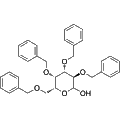
  • 2,3,4,6-Tetra-O-benzyl-D-galactopyranose
    Cat. No.
    A86952

    2,3,4,6-Tetra-O-benzyl-D-galactopyranose

    Synonyms: 2,3,4,6-Tetra-O-Benzyl-D-galactose

    2,3,4,6-Tetra-O-benzyl-D-galactopyranose is a biochemical reagent utilized as a substrate in glycosylation reactions. It serves as a valuable tool for studying carbohydrate chemistry and enzyme kinetics, particularly in the context of galactoside synthesis. This compound is also applicable in various assays for exploring biochemical pathways involving galactose derivatives.

    1 g
    $60.00
    5 g
    $140.00
    All 3 sizes
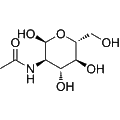
  • N-Acetyl-α-D-glucosamine
    Cat. No.
    A87239

    N-Acetyl-α-D-glucosamine

    N-Acetyl-α-D-glucosamine is a biochemical assay reagent that serves as a substrate for various enzymes, including glycosyltransferases. It plays a crucial role in cellular processes such as glycosylation and cell signaling. This compound is widely utilized in research focused on carbohydrate metabolism, cell biology, and the study of glycoconjugates.

    500 mg
    $20.00
    1 g
    $30.00
    All 2 sizes
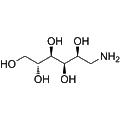
  • D-Glucamine, 98%
    Cat. No.
    A87358

    D-Glucamine, 98%

    Synonyms: 1-Amino-1-deoxy-D-glucitol; 98%

    D-Glucamine is an amino sugar derivative that functions primarily as a substrate for sugar transporter studies. Its primary application lies in pharmaceutical formulations as an excipient, facilitating the delivery of active ingredients. Additionally, D-Glucamine can be utilized in research investigating metabolic pathways and cellular transport mechanisms associated with sugars.

    500 mg
    $25.00
    1 g
    $35.00
    All 2 sizes
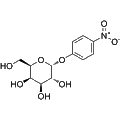
  • 4-Nitrophenyl α-D-galactopyranoside
    Cat. No.
    A87389

    4-Nitrophenyl α-D-galactopyranoside

    Synonyms: PNP-alpha-D-Gal; PNP-α-D-Gal

    4-Nitrophenyl α-D-galactopyranoside serves as an artificial substrate for the detection of α-galactosidase activity. This compound facilitates the release of 4-nitrophenol (pNP) upon enzymatic cleavage, allowing for quantitative measurement of enzyme function. It is widely utilized in biochemical assays and research applications focused on glycosidase activity, contributing to studies in enzymology and carbohydrate metabolism.

    100 mg
    $25.00
    250 mg
    $50.00
    All 2 sizes
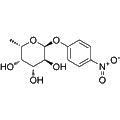
  • p-Nitrophenyl α-L-fucoside
    Cat. No.
    A87648

    p-Nitrophenyl α-L-fucoside

    Synonyms: PNP α-L-Fuc

    p-Nitrophenyl α-L-fucoside is a specific substrate for α-L-fucosidase, enabling the quantitative determination of enzymatic activity. This compound is widely utilized in biochemical assays to study the metabolism of fucose-containing glycoconjugates. Its use in α-L-fucosidase assays aids in the investigation of various biological processes and diseases linked to fucosylation.

    5 mg
    $35.00
    10 mg
    $55.00
    All 4 sizes
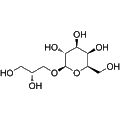
  • (2R)-Glycerol-O-β-D-galactopyranoside
    Cat. No.
    A87760

    (2R)-Glycerol-O-β-D-galactopyranoside

    Synonyms: 3-O-β-D-Galactopyranosyl-sn-glycerol

    (2R)-Glycerol-O-β-D-galactopyranoside serves as a substrate for β-galactosidase, the lactose transporter, and thiogalactoside transacetylase. It is utilized in research applications targeting the lac operon, facilitating the study of lactose metabolism and enzymatic activity. Its effective interaction with these components enables detailed investigations into carbohydrate processing and gene expression regulation in microbial systems.

    1 mg
    $80.00
    All 1 sizes
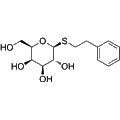
  • 2-Phenylethyl β-D-thiogalactoside
    Cat. No.
    A87809

    2-Phenylethyl β-D-thiogalactoside

    Synonyms: 2-Phenylethyl 1-thio-β-D-galactoside

    2-Phenylethyl β-D-thiogalactoside is a biochemical assay reagent that serves as a substrate for galactosidase enzymes. This compound is utilized in various cellular and molecular biology applications, particularly for studying enzyme kinetics and gene expression. Its ability to release phenylethyl alcohol upon hydrolysis makes it valuable for examining cellular processes and metabolic pathways related to carbohydrate metabolism.

    50 mg
    $25.00
    100 mg
    $40.00
    All 3 sizes

Items 1-25 of 136

Added to your cart

View Cart Checkout

    Loading...