Akt

Akt inhibitors target Akt, also called protein kinase B (PKB), a serine/threonine kinase in cell survival signaling. In 1995 the Akt proto-oncogene product was identified as a target of phosphatidylinositol 3-kinase (PI3K) activated by platelet-derived growth factor. Insulin and insulin-like growth factor 1 activate the kinase through phosphorylation at Thr308 and Ser473. The three isoforms, Akt1, Akt2 and Akt3, phosphorylate substrates that control metabolism, proliferation and apoptosis. The category includes the allosteric inhibitor MK-2206 2HCl, the catalytic-site inhibitor capivasertib and the alkylphospholipid perifosine. SC79, by contrast, promotes Akt phosphorylation and serves as an activator in pathway studies.

Items 201-218 of 218

  • Vevorisertib trihydrochloride
    Cat. No.
    A26009

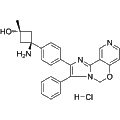
    Vevorisertib trihydrochloride

    Synonyms: ARQ 751 trihydrochloride

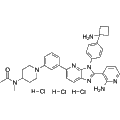
    Vevorisertib trihydrochloride is a selective, allosteric inhibitor targeting pan-AKT and the AKT1-E17K mutant. It effectively inhibits AKT phosphorylation, demonstrating Kd values of 1.2 nM for AKT1 and 8.6 nM for AKT1-E17K, along with IC50 values of 0.55 nM, 0.81 nM, and 1.3 nM for AKT1, AKT2, and AKT3, respectively. This compound is valuable for cancer research, aiding in the exploration of therapeutic strategies targeting the AKT signaling pathway.

    1 mg
    $50.00
    5 mg
    $120.00
    All 6 sizes
  • Pifusertib hydrochloride
    Cat. No.
    A26013

    Pifusertib hydrochloride

    Synonyms: TAS-117 hydrochloride

    Pifusertib hydrochloride is a selective allosteric inhibitor of Akt, exhibiting IC50 values of 4.8 nM, 1.6 nM, and 44 nM for Akt1, Akt2, and Akt3, respectively. This compound demonstrates significant anti-myeloma activity by enhancing endoplasmic reticulum stress in the context of proteasome inhibition. Additionally, Pifusertib hydrochloride induces both apoptosis and autophagy, making it a valuable tool for research into cancer therapies and the modulation of cellular stress responses.

    5 mg
    $490.00
    10 mg
    $880.00
    All 3 sizes
  • Propylparaben sodium
    Cat. No.
    A31961

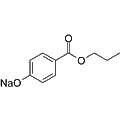
    Propylparaben sodium

    Synonyms: Propyl parahydroxybenzoate sodium; Propyl 4-hydroxybenzoate sodium

    Propylparaben sodium acts as a weak estrogen receptor agonist and serves as a voltage-gated sodium channel blocker, while also modulating the PI3K-AKT and JNK signaling pathways. It is known to induce oxidative stress, affecting the estrous cycle and hormone levels, as well as ovarian reserve function. Propylparaben sodium can inhibit the growth of antral follicles and influence the accumulation of steroid hormones in follicle culture media. This compound is suitable for research related to ovarian aging and myocardial ischemia-reperfusion injury.

    5 mg
    $20.00
    100 mg
    $25.00
    All 4 sizes
  • Ephemeranthol A
    Cat. No.
    A31975

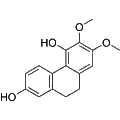
    Ephemeranthol A

    Ephemeranthol A is an inhibitor of NF-κB, MAPK, FAK, and Akt signaling pathways. This phenanthrene compound demonstrates notable anti-inflammatory effects through the inhibition of NF-κB and MAPK pathways in macrophages. Additionally, Ephemeranthol A induces apoptosis and inhibits metastasis in non-small cell lung cancer by suppressing FAK/Akt signaling and epithelial-mesenchymal transition (EMT) processes. It is applicable for research into acute and chronic inflammatory diseases as well as non-small cell lung cancer.

    Out of stock

    All 3 sizes
  • 19-epi-Scholaricine
    Cat. No.
    A36155

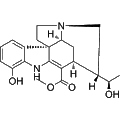
    19-epi-Scholaricine

    19-epi-Scholaricine is a potent AKT/mTOR inhibitor, classified as an orally active indole alkaloid. This compound downregulates profibrotic and apoptotic proteins, such as HRAS, HSP90AA1, and KDR, while upregulating the cell cycle regulator CDK2. Furthermore, 19-epi-Scholaricine inhibits ROS production and reduces inflammatory mediator release, leading to decreased podocyte apoptosis, renal inflammation, and oxidative stress. It is a valuable tool for research into chronic glomerulonephritis and membranous nephropathy.

    1 mg
    $265.00
    5 mg
    $685.00
    All 2 sizes
  • 9(10)-Nitrooleate
    Cat. No.
    A36695

    9(10)-Nitrooleate

    Synonyms: 9(10)-Nitrated oleic acid

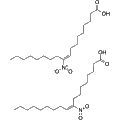
    9(10)-Nitrooleate is an Akt activator that enhances enzymatic activity and promotes nitric oxide bioavailability. By inducing the phosphorylation of Akt and ERK1/2, it regulates the multi-site phosphorylation of eNOS and optimizes its interaction with Hsp90, contributing to its vasoprotective effects. Additionally, 9(10)-Nitrooleate activates PPARα, PPARδ, and PPARγ receptors, influencing adipogenesis, glucose uptake, and inflammatory gene expression. Its immunosuppressive properties also inhibit neutrophil migration and cytokine secretion, making it valuable for research on sepsis and related inflammatory conditions.

    Out of stock

    All 3 sizes
  • PI3K/AKT/ERK/CREB activator 1
    Cat. No.
    A36706

    PI3K/AKT/ERK/CREB activator 1

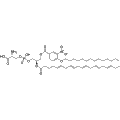
    PI3K/AKT/ERK/CREB Activator 1 is a small molecule that stimulates the PI3K/AKT/ERK/CREB signaling pathway. It enhances neuronal survival and proliferation, promoting the viability of damaged neurons and facilitating synapse formation. This compound also reduces neuroinflammation by decreasing pro-inflammatory cytokine levels, and it has shown potential in preserving synaptic structure and improving spatial memory in Alzheimer's disease models. PI3K/AKT/ERK/CREB Activator 1 is a valuable tool for research focused on neurodegenerative disorders, particularly Alzheimer's disease.

    Out of stock

    All 3 sizes
  • D-87503
    Cat. No.
    A36751

    D-87503

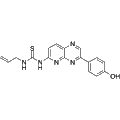
    D-87503 is a potent inhibitor of the PI3K/Akt/mTOR signaling pathway, exhibiting IC50 values of 62 nM for PI3K and 0.76 μM for Erk2. This compound effectively attenuates the activity of downstream substrates, including Akt and Rsk1, making it a valuable tool for studying cellular processes regulated by this pathway. D-87503 has applications in cancer research and investigates the role of PI3K signaling in various physiological conditions.

    25 mg
    $1,275.00
    50 mg
    $1,625.00
    All 3 sizes
  • Sexangularetin 3-sophoroside
    Cat. No.
    A39177

    Sexangularetin 3-sophoroside

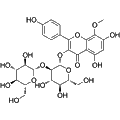
    Sexangularetin 3-sophoroside is an activator of PDK1 and Akt phosphorylation pathways, demonstrating significant neuroprotective effects. This compound restores levels of phosphorylated GSK-3β protein and functions as a reactive oxygen species (ROS) inhibitor. Additionally, it modulates the expression of superoxide dismutase 1 and catalase mRNA, making it a valuable tool for research related to neurodegenerative conditions such as Parkinson’s disease.

    Out of stock

    All 3 sizes
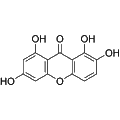
  • Norswertianin
    Cat. No.
    A39535

    Norswertianin

    Norswertianin is a xanthone compound that functions as a potent anti-glioma agent. It promotes differentiation of glioblastoma (GBM) cells by inducing oxidative stress and activating Akt/mTOR-dependent autophagy pathways. This makes Norswertianin a valuable tool for researching therapeutic strategies in glioma treatment.

    1 mg
    $480.00
    5 mg
    $1,230.00
    All 5 sizes
  • JRN73958
    Cat. No.
    A40811

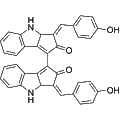
    JRN73958

    Synonyms: Reduced scytonemin

    JRN73958 is a potent inhibitor of the PI3K/Akt, MAPK, and NF-κB signaling pathways. This compound effectively reduces LPS/IFNγ-induced activation of these pathways, making it a valuable tool for investigating their roles in cancer biology, particularly in leukemia research. Additionally, JRN73958 acts as an Nrf2/ARE activator, further expanding its utility in studies related to oxidative stress and cell survival mechanisms.

    25 mg
    $1,530.00
    50 mg
    $1,950.00
    All 3 sizes
  • N-Acetyldehydroanonaine
    Cat. No.
    A40816

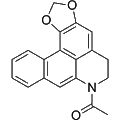
    N-Acetyldehydroanonaine

    N-Acetyldehydroanonaine is a natural alkaloid that functions as a ligand for AKT1 and MAPK1, key regulators in various signaling pathways. This compound, derived from plants of the Zanthoxylum genus, exhibits potential biological activity relevant to cancer research. Its application is particularly significant in the study of diseases such as gastric cancer, making it a valuable tool for investigators exploring therapeutic targets and mechanisms in oncogenesis.

    Out of stock

    All 3 sizes
  • Akt/ROCK-IN-1
    Cat. No.
    A41107

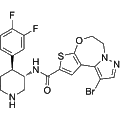
    Akt/ROCK-IN-1

    Akt/ROCK-IN-1 is a potent dual inhibitor targeting Akt and ROCK, exhibiting IC50 values of 0.023 nM and 1.47 nM, respectively. This compound demonstrates significant antitumor activity, particularly in neuroblastoma models. It serves as a valuable tool for research into cancer biology and therapeutic development.

    Out of stock

    All 3 sizes
  • Miransertib mesylate
    Cat. No.
    A52504

    Miransertib mesylate

    Synonyms: ARQ-092 mesylate

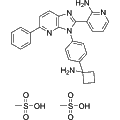
    Miransertib mesylate is a potent and selective allosteric inhibitor of the Akt family, demonstrating IC50 values of 2.7 nM, 14 nM, and 8.1 nM for Akt1, Akt2, and Akt3, respectively. This compound is particularly effective against the AKT1-E17K mutant variant, making it valuable for investigating PI3K/AKT-driven tumors and Proteus syndrome. Additionally, Miransertib mesylate has shown efficacy against Leishmania, highlighting its versatility in biological research applications.

    25 mg
    $1,275.00
    50 mg
    $1,625.00
    All 3 sizes
  • KS-99
    Cat. No.
    A54908

    KS-99

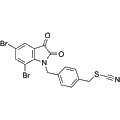
    KS-99 is an inhibitor that targets both tubulin polymerization and the Akt signaling pathway. This compound demonstrates significant biological activity by inhibiting cancer cell proliferation and inducing apoptosis in various cancer cell types. KS-99 is suitable for research applications involving colorectal cancer, breast cancer, lung epithelial cancer, and melanoma.

    25 mg
    $1,275.00
    50 mg
    $1,625.00
    All 3 sizes
  • ML-9 Free Base
    Cat. No.
    A57599

    ML-9 Free Base

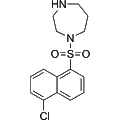
    ML-9 Free Base is a selective and potent inhibitor of Akt kinase, demonstrating significant inhibitory effects on myosin light-chain kinase (MLCK) and stromal interaction molecule 1 (STIM1). It effectively inhibits MLCK, protein kinase A (PKA), and protein kinase C (PKC) with Ki values of 4 μM, 32 μM, and 54 μM, respectively. Additionally, ML-9 Free Base promotes autophagy by enhancing autophagosome formation while inhibiting their subsequent degradation, making it valuable for research on cellular signaling pathways and autophagic processes.

    25 mg
    $1,275.00
    50 mg
    $1,625.00
    All 3 sizes
  • Thyroglobulin
    Cat. No.
    A86466

    Thyroglobulin

    Synonyms: Thyroglobulin from bovine

    Thyroglobulin is a 660 kDa dimeric glycoprotein that serves as a substrate in the synthesis of thyroid hormones, thyroxine (T4) and triiodothyronine (T3). Primarily produced by follicular cells of the thyroid, it also functions in the storage of inactive thyroid hormone forms and iodine in the follicular lumen. In research applications, thyroglobulin has been shown to activate Akt kinase activity in FRTL-5 thyroid cells, making it valuable for studies related to thyroid function and signaling pathways.

    5 mg
    $75.00
    10 mg
    $120.00
    All 5 sizes
  • (+)-Theta-cypermethrin
    Cat. No.
    B10869

    (+)-Theta-cypermethrin

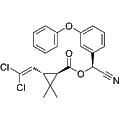
    (+)−Theta-cypermethrin is a stereoisomer of cypermethrin that functions as a selective binder to AKT1, SRC, STAT3, and epidermal growth factor receptor (EGFR). This compound is known to penetrate the blood-brain barrier, leading to alterations in the amplitude of delayed rectifier potassium channel currents and significant shifts in the activation and inactivation curves at elevated concentrations. Additionally, (+)-Theta-cypermethrin induces abnormal electrical activity in rat hippocampal neurons and is associated with chronic respiratory system damage and neurotoxicity. It serves as a valuable tool for research into signal transduction pathways and neuropharmacology.

    Out of stock

    All 3 sizes

Items 201-218 of 218

Added to your cart

View Cart Checkout

    Loading...