Insulin Receptor

Insulin receptor inhibitors act on the tyrosine kinase receptor that relays insulin signals into cells. Two groups reported the human insulin receptor sequence in 1985 and placed it in the tyrosine kinase family of oncogenes. The receptor is a disulfide-linked dimer of alpha and beta subunits, and insulin binding triggers autophosphorylation of the beta subunits. Insulin receptor substrate proteins then couple the kinase to glucose uptake, glycogen synthesis and cell growth. Most compounds here are dual inhibitors that block the insulin receptor together with the insulin-like growth factor 1 receptor (IGF-1R). Examples are BMS-536924, GSK1904529A and AG-1024, while NVP-TAE 226 also inhibits focal adhesion kinase (FAK).

4 Items

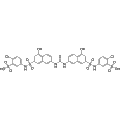
  • DDN
    Cat. No.
    A25596

    DDN

    DDN is a selective activator of the insulin receptor, functioning as an insulin sensitizer and glucose-lowering insulin mimetic with oral bioavailability. It interacts with the receptor kinase domain, leading to phosphorylation of Akt and ERK, while enhancing insulin-mediated glucose uptake. In studies, DDN has demonstrated a significant reduction in blood glucose levels in both wild-type and diabetic ob/ob and db/db mouse models, highlighting its potential for diabetes research applications.

    Out of stock

    All 3 sizes
  • Urolithin C
    Cat. No.
    A30123

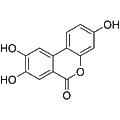
    Urolithin C

    Urolithin C is a gut-microbial metabolite derived from ellagic acid that functions as a glucose-dependent activator of insulin secretion. It acts primarily as an L-type Ca2+ channel opener, facilitating enhanced Ca2+ influx, which is crucial for insulin release. Urolithin C also induces apoptosis in cells via a mitochondria-mediated pathway and stimulates the production of reactive oxygen species (ROS), making it a valuable compound for research in metabolic regulation and related pathways.

    5 mg
    $40.00
    10 mg
    $65.00
    All 7 sizes
  • GLUT4 activator 2
    Cat. No.
    A33759

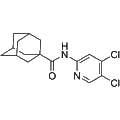
    GLUT4 activator 2

    GLUT4 Activator 2 (C59) is an insulin sensitizer that enhances glucose uptake and insulin sensitivity, making it a valuable tool for research into diabetic diseases. This compound facilitates the translocation of GLUT4 by interacting with Unc119 and Unc119B, ultimately contributing to improved insulin responsiveness. Its applications are relevant for studies aimed at elucidating mechanisms of insulin resistance and developing therapeutic strategies for metabolic disorders.

    5 mg
    $25.00
    10 mg
    $40.00
    All 5 sizes
  • TLK19781
    Cat. No.
    A33770

    TLK19781

    TLK19781 is a non-peptide small molecule that acts as an insulin receptor activator. It enhances the translocation of GLUT4 to the cell membrane in response to insulin, thereby improving glucose transport activity in both cell and animal models of insulin resistance. This compound is valuable for research applications focused on metabolic disorders and the mechanisms of insulin signaling.

    25 mg
    $1,275.00
    All 1 sizes

4 Items

Added to your cart

View Cart Checkout

    Loading...