CFTR

Cystic fibrosis transmembrane conductance regulator (CFTR) modulators act on an epithelial chloride channel. The CFTR gene was cloned in 1989, and its most common disease-associated variant deletes phenylalanine 508 (F508del). Potentiators raise the open probability of the channel, as reported in 2009 for ivacaftor under the code VX-770. Correctors such as lumacaftor and VX-661 improve folding and trafficking of F508del-CFTR to the plasma membrane. Inhibitors serve to probe channel function, among them CFTRinh-172, a thiazolidinone described in 2002, and the quinoxalinedione PPQ-102. Ataluren promotes readthrough of premature stop codons and is used with nonsense variants of the gene. Other chloride-conducting proteins are listed under the sibling category Chloride Channels.

Items 26-26 of 26

  • CP-628006
    Cat. No.
    A66502

    CP-628006

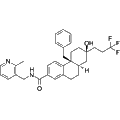
    CP-628006 is a small molecule CFTR potentiator that enhances ATP-dependent gating of the cystic fibrosis mutant G551D-CFTR. This compound has demonstrated key biological activity in restoring channel function, making it a valuable tool for research focused on cystic fibrosis pathophysiology and potential therapeutic interventions. Its utility in studying CFTR modulation may aid in the development of novel treatments for cystic fibrosis and related disorders.

    25 mg
    $1,275.00
    All 1 sizes

Items 26-26 of 26

Added to your cart

View Cart Checkout

    Loading...