
- Cat. No.
- A12271
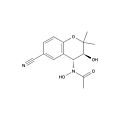
Y-26763
Y-26763 is a K+ channel opener and active metabolite of Y-27152. Y-26763 is an ATP-sensitive K+ (KATP) channel activator.
In stock
View Details
Search by product name, CAS, target or catalog number. Press Down Arrow to reach product suggestions, Tab to move between links, and Escape to close suggestions.
Potassium channel blockers and openers target the largest and most diverse family of ion channels. Potassium (K+) channels set the resting membrane potential and shape action potentials, hormone secretion and immune cell activation. The 1998 crystal structure of the potassium channel from Streptomyces lividans (KcsA) showed how a narrow selectivity filter passes K+ ions but excludes sodium ions. Major families include voltage-gated (Kv), calcium-activated (KCa) and inward-rectifier (Kir) channels. Adenosine triphosphate (ATP)-sensitive K+ (KATP) channels pair a Kir6.2 pore with a sulfonylurea receptor (SUR) subunit. The sulfonylureas glimepiride and glyburide close KATP channels, whereas minoxidil is studied as a channel opener. TRAM-34 blocks the intermediate-conductance KCa3.1 channel, and PAP-1 blocks Kv1.3, two channels studied in T lymphocyte activation.
Y-26763 is a K+ channel opener and active metabolite of Y-27152. Y-26763 is an ATP-sensitive K+ (KATP) channel activator.
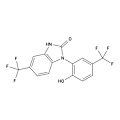
NS1619 is a Bkca opener or large-conductance Ca2+-activated potassium (BKCa, KCa1.1) channel activator.
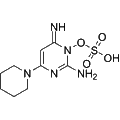
Minoxidil sulfate is a potent ATP-sensitive K+ channel opener, functioning primarily as a vasodilator. As a sulfated metabolite of minoxidil, it has been shown to enhance hair growth in vivo. This compound is widely used in research applications related to cardiovascular health and hair follicle biology.
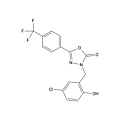
Synonyms: BMS-A
BMS-191011 (BMS-A) is an opener of the large-conductance, Ca2++-activated potassium (maxi-K) channel, effective in stroke models.
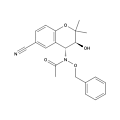
Y-27152, a prodrug of the KATP (Kir6) channel opener Y-26763, is a long-acting K+ channel opener with less tachycardia: antihypertensive effects in hypertensive rats and dogs in conscious state.
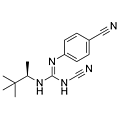
Synonyms: BMS 234303-01
Naminidil is a cyanoguanidine KATP opener.
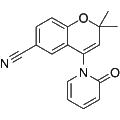
Synonyms: EMD-52692; SR-44866
Bimakalim is an ATP-sensitive potassium channel opener that induces vasodilation by enhancing potassium ion efflux. This compound has been shown to reduce transmural myeloperoxidase (MPO) activity and mimics ischemic preconditioning effects, leading to decreased infarct size and modulation of adenosine release and neutrophil function. Bimakalim is valuable for research applications focused on cardiovascular physiology and ischemia-reperfusion injury studies.
Out of stock
All 3 sizes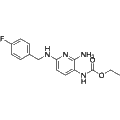
Synonyms: D 9998
Flupirtine is a non-opioid analgesic that acts primarily as a potassium channel opener, specifically targeting Kv7 channels. This compound exhibits notable neuroprotective properties by stabilizing blood-brain barrier integrity, reducing oxidative stress, and counteracting focal cerebral ischemia. Flupirtine is utilized in research related to pain management, Alzheimer's disease, multiple sclerosis, and neuroprotection due to its ability to lessen neuronal excitotoxicity and maintain resting membrane potential without exhibiting antipyretic or antiphlogistic effects.
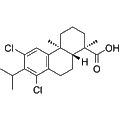
12,14-Dichlorodehydroabietic acid is a potent opener of large-conductance calcium-activated potassium (BK) channels. This chlorinated resin acid functions as a non-competitive antagonist of GABAA receptors, effectively blocking GABA-dependent chloride entry in mammalian brain tissue. Additionally, 12,14-Dichlorodehydroabietic acid promotes an increase in cytosolic free calcium levels, thereby stimulating neurotransmitter release, making it valuable for research in neurophysiology and cell signaling pathways.
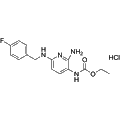
Synonyms: D 9998 hydrochloride
Flupirtine hydrochloride is a potassium channel opener (Kv7 activator) recognized for its analgesic and neuroprotective properties. This compound acts as a non-opioid analgesic while also antagonizing NMDA receptors and activating GABA receptors. Flupirtine hydrochloride enhances neuronal stability by reducing oxidative stress and calcium influx, thereby protecting neurons from excitotoxicity and ischemia. It is applicable in research focused on conditions such as focal cerebral ischemia, pain management, Alzheimer’s disease, and multiple sclerosis.
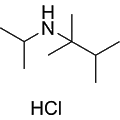
Iptakalim hydrochloride is a selective ATP-sensitive potassium channel (KATP) opener that exhibits significant lipophilicity. In addition to its primary mechanism, it also acts as an antagonist of α4β2-containing nicotinic acetylcholine receptors (nAChRs). This dual activity positions Iptakalim hydrochloride as a valuable tool for research in cardiovascular physiology and neuropharmacology, providing insights into potassium channel regulation and cholinergic signaling.
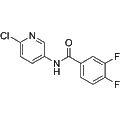
ICA-27243 is a selective and orally active opener of the KCNQ2/Q3 potassium channels, exhibiting an EC50 of 0.38 μM. This compound has demonstrated potent antiepileptic and anticonvulsant properties, making it valuable for neurological research. Additionally, it shows lower efficacy towards KCNQ4 and the KCNQ3/Q5 channels, highlighting its specificity. ICA-27243 is an important tool for investigating the role of KCNQ channels in neuronal excitability and related disorders.
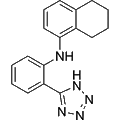
BL-1249 is a selective opener of the TREK-1 (K2P2.1) and TREK-2 (K2P10.1) potassium channels, demonstrating potent activation with EC50 values of 5.5 μM and 8.0 μM, respectively. This compound effectively activates all members of the TREK subfamily while exhibiting no activity towards other K2P subfamilies. Notably, BL-1249 shows enhanced selectivity for bladder tissue, with an EC50 of 1.26 μM, compared to a higher EC50 of 21.0 μM in vascular tissue. The compound is valuable in research related to pain management and bladder function regulation.
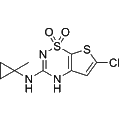
Synonyms: NN414
Tifenazoxide (NN414) is a potent, orally active opener of KATP channels, specifically targeting the SUR1/Kir6.2 subunits. This compound demonstrates antidiabetic properties by inhibiting glucose-stimulated insulin release both in vitro and in vivo, thereby contributing to enhanced glucose homeostasis. Tifenazoxide is valuable for research applications focused on diabetes and metabolic disorders.
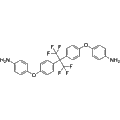
GI-530159 is a selective opener of TREK1 and TREK2 potassium channels, exhibiting an EC50 of 0.76 μM for TREK1. This compound demonstrates a significant ability to reduce excitability in rat dorsal root ganglion neurons, indicating potential analgesic effects. GI-530159 is valuable for research applications focused on pain modulation and the physiological roles of TREK channels in neuronal activity.
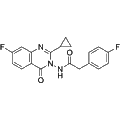
Synonyms: PF-04895162
ICA-105665 is a potent opener of neuronal Kv7.2/7.3 and Kv7.3/7.5 potassium channels. It effectively enhances potassium ion flow, making it relevant for research in neurological disorders, particularly in the context of seizure activity. Additionally, ICA-105665 inhibits liver mitochondrial function and bile salt export protein (BSEP) transport with an IC50 of 311 μM, positioning it as a valuable tool for studying both central nervous system and hepatic physiological processes. Its ability to penetrate the blood-brain barrier further supports its utility in investigating antiseizure mechanisms.
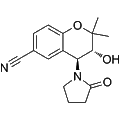
Synonyms: BRL 34915
Cromakalim functions as a potassium channel opener, facilitating relaxation of smooth muscle tissue. It exhibits bronchodilator activity in asthma by inhibiting the spontaneous tone of human isolated bronchi in a concentration-dependent manner. Its effectiveness is comparable to that of isoprenaline or theophylline, making it a valuable tool for research in respiratory physiology and pharmacology.
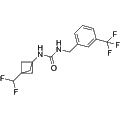
IDOR-1104-0086 is an orally active Kv7 channel opener, demonstrating an EC50 of 210 nM and the ability to cross the blood-brain barrier. This compound exhibits strong selectivity against the hERG channel, with an IC20 of 25 μM. IDOR-1104-0086 has shown efficacy in rodent models of epilepsy and possesses a favorable tolerability profile, making it a valuable tool for research in epilepsy and related neurological disorders.
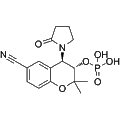
Synonyms: QLS-101
Foslevcromakalim is an ATP-sensitive potassium channel opener that induces vasodilation by promoting potassium efflux. This compound has demonstrated significant ocular hypotensive effects, making it a valuable tool for research on intraocular pressure regulation and related ocular conditions. Its primary applications include studies on glaucoma and other disorders where modulation of potassium channels plays a critical role in therapeutic strategies.
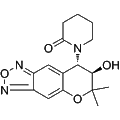
NIP-121 is a potassium channel opener that facilitates vasodilation, leading to a reduction in mean pulmonary artery pressure and total pulmonary resistance. Its unique mechanism makes it a valuable reagent for researching pulmonary arterial hypertension, providing insights into potential therapeutic strategies for this condition.
Out of stock
All 3 sizes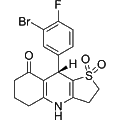
A-278637 is a selective opener of KATP channels, characterized by an EC50 of 102 nM. This compound demonstrates specificity by not interacting with other ion channels, such as L-type calcium channels, or various neurotransmitter receptor systems. Notably, A-278637 exhibits enhanced functional selectivity for urinary bladder smooth muscle compared to vascular smooth muscle in vivo. It serves as a valuable tool for investigating overactive bladder conditions in research applications.
Out of stock
All 3 sizes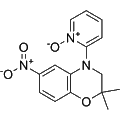
YM 934 is a potassium channel opener that modulates ion flow to enhance cellular excitability. It has demonstrated inhibitory effects on neurogenic plasma leakage and can attenuate airway neurogenic inflammation. This compound is applicable in research focusing on respiratory diseases and neurogenic mechanisms involved in inflammation and leakage pathways.
Out of stock
All 3 sizes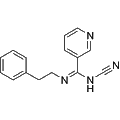
KI 1769 is a potassium channel opener that facilitates vasodilation. This compound has been shown to prolong micturition intervals and decrease urethral resistance to fluid infusion. KI 1769 serves as a valuable tool for investigating cardiovascular diseases and related physiological processes.
Out of stock
All 3 sizes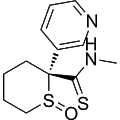
Synonyms: rel-RP 52891
Rel-Aprikalim is the relative configuration of Aprikalim, a potassium channel opener (KCO) that specifically activates ATP-sensitive K+ (KATP) channels. It has demonstrated biological activity in guinea pig ventricular myocytes, making it a valuable tool for research into cardiac function and potassium channel modulation. This compound can be utilized in studies exploring the physiological roles of KATP channels and their implications in cardiac pathophysiology.
Out of stock
All 3 sizes
AL 0671 is a potassium channel opener that promotes the relaxation of vascular smooth muscle through the opening of potassium channels. It effectively inhibits nonenzymatic glycation of proteins and reduces LDL oxidation. This compound is valuable for research applications related to cardiovascular and metabolic diseases, including hypertensive diabetes, providing insights into potential therapeutic strategies.
Out of stock
All 3 sizes