- Cat. No.
- A10293
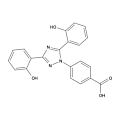
Deferasirox
Synonyms: ICL-670; ICL-670A; CGP-72670
Deferasirox is a rationally-designed oral iron chelator, also a cytochrome P450 3A4 inducer, Cytochrome P450 2C8 inhibitor, and Cytochrome P450 1A2 inhibitor.
Search by product name, CAS, target or catalog number. Press Down Arrow to reach product suggestions, Tab to move between links, and Escape to close suggestions.
Cytochrome P450 (CYP) inhibitors act on heme enzymes that oxidize drugs, steroids and other lipophilic compounds. The name comes from the 450 nm absorption peak of a carbon monoxide-bound pigment, described in liver microsomes in 1964. Hepatic enzymes such as CYP3A4, CYP2C9 and CYP1A2 metabolize a large share of drugs and many environmental chemicals. Other members synthesize steroid hormones, among them CYP17A1, which is required for androgen production. The P450 system can also convert chemicals into toxic or carcinogenic metabolites, which links it closely to toxicology. Abiraterone inhibits CYP17A1, while clarithromycin and itraconazole serve as CYP3A4 inhibitors in drug-interaction studies. Alizarin is listed for its inhibition of enzymes in the CYP1 family.
Synonyms: ICL-670; ICL-670A; CGP-72670
Deferasirox is a rationally-designed oral iron chelator, also a cytochrome P450 3A4 inducer, Cytochrome P450 2C8 inhibitor, and Cytochrome P450 1A2 inhibitor.
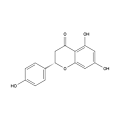
Naringenin is a flavanone, a type of flavonoid, that is considered to have a bioactive effect on human health as antioxidant, free radical scavenger, anti-inflammatory, carbohydrate metabolism promoter, and immune system modulator.
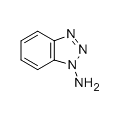
Synonyms: 1-Aminobenzotriazole
ABT (1-Aminobenzotriazole )is a suicide substrate for (CYP)cytochrome P-450 and chloroperoxidase.
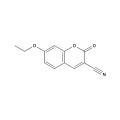
Synonyms: 7-Ethoxycoumarin-3-carbonitrile
3-Cyano-7-ethoxycoumarin is a fluorogenic substrate suitable for the continuous determination of cytochrome P450 mixed-function monooxygenases. It is a fluorescent probe useful in microsomal dealkylase studies.
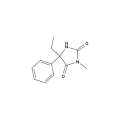
Mephenytoin is a CYP2C19 substrate. Anticonvulsant.
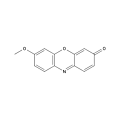
Synonyms: Resorufin methyl ether
Methoxyresorufin is a fluorometric substrate for cytochrome P450 linked enzymes.
CDD3506 is used for elevating high density lipoprotein cholesterol (HDL) by inducing hepatic cytochrome P450IIIA (CYP3A) activity.
CDD3505 is used for elevating high density lipoprotein cholesterol (HDL) by inducing hepatic cytochrome P450IIIA (CYP3A) activity.
Synonyms: SMT C1100; BMN 195; VOX-C1100
Ezutromid is a novel Small utrophin's translation modulator with EC50 of 0.4 uM .
Synonyms: Remofovir mesylate
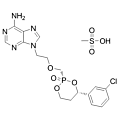
Pradefovir mesylate is a good substrate for liver CYP3A4. Pradefovir is converted to 9-(2-phosphonylmethoxyethyl)adenine (PMEA) in human liver microsomes with a Km of 60 μM.
Synonyms: Apocarotenal
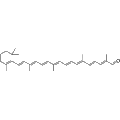
β-Apo-8'-carotenal is a potent inducer of CYP1A, acting through the aryl hydrocarbon receptor (AhR) pathway. This carotenoid has demonstrated the ability to induce DNA strand breaks and lipid peroxidation in cancer cells, making it a valuable tool for research into cancer biology and metabolic disorders. Its role as a provitamin A compound further emphasizes its potential applications in studies related to cellular metabolism and disease mechanisms.
Synonyms: Metanil Yellow
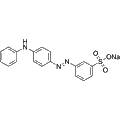
Acid Yellow 36, an azo dye and pH indicator, primarily functions as a cytochrome P450 inducer. It exhibits a color change from red at pH 1.2 to yellow at pH 2.3, making it useful in various industrial applications, including leather, paper, and textiles. In the realm of biochemical research, Acid Yellow 36 is employed to induce specific isozymes of cytochrome P450 and various cytosolic enzymes, facilitating studies on enzyme regulation and metabolism.
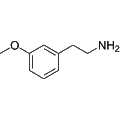
3-Methoxyphenylethylamine is a substrate for cytochrome P450 2D6 (CYP2D6), playing a crucial role in drug metabolism. It is commonly used in research to investigate the metabolic pathways and enzyme interactions involving CYP2D6, making it valuable for studies on pharmacokinetics and drug-drug interactions. Additionally, this compound serves as an important intermediate in the synthesis of pharmaceuticals and other organic materials, furthering its applications in chemical research.
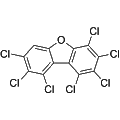
Synonyms: 1,2,3,4,7,8,9-HpCDF
1,2,3,4,7,8,9-Heptachlorodibenzofuran is a potent inducer of CYP1A1 and CYP1B1 gene expression in human peripheral blood lymphocytes, promoting aryl hydrocarbon receptor repressor (AhRR) transcription. This compound enhances ethoxyresorufin-O-deethylase (EROD) activity, serving as a reliable biomarker for CYP1A1 activation. Additionally, it displays immunosuppressive properties by decreasing the number of splenic plaque-forming cells in mice while increasing aryl hydrocarbon hydroxylase (AHH) activity in liver microsomes. 1,2,3,4,7,8,9-Heptachlorodibenzofuran is valuable for research in immunology, metabolic disorders, and environmental toxicology.
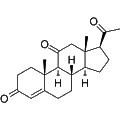
Synonyms: 11KP4
11-Ketoprogesterone (11KP4) serves as a substrate for the enzymes CYP17A1 and 11β-HSD2, facilitating the conversion to 21-deoxycortisone (21dE) and 21-deoxycortisol (21dF), both of which exhibit glucocorticoid activity. This compound is pivotal for studies examining steroidogenesis and adrenal hormone metabolism. It is utilized in research applications focusing on hormonal regulation and related disorders, providing insights into steroid hormone biosynthesis pathways.
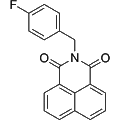
hCYP3A4 Fluorogenic Substrate 1 is a potent substrate designed for human cytochrome P450 3A4 (hCYP3A4), exhibiting a Km value of 0.36 μM. This substrate is valuable for investigating hCYP3A4-mediated biotransformation processes and can be utilized in both cellular and in vivo imaging studies to monitor enzyme activity. Its fluorogenic properties facilitate real-time observation of metabolic activity, aiding in drug metabolism and pharmacokinetic research.
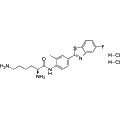
Synonyms: NSC 710305
Phortress is a potent cytochrome P450 inducer that specifically activates the aryl hydrocarbon receptor (AhR). By eliciting the transcription of CYP1A1, it demonstrates robust antitumor activity. This compound is valuable for research applications focused on drug metabolism, environmental toxicology, and the modulation of xenobiotic responses.
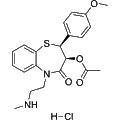
N-Desmethyl diltiazem hydrochloride is a substrate for the enzyme CYP3A7, which is predominantly expressed during fetal development and has minimal expression in adult tissues. This compound is utilized in pharmacokinetic studies to investigate drug metabolism pathways in neonatal and fetal contexts. Its involvement in CYP3A7 activity makes it an important reagent for researchers examining developmental pharmacology and drug interactions.
Synonyms: (R)-Omeprazole; (+)-Omeprazole
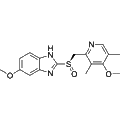
(R)-Esomeprazole is an orally active modulator of cytochrome P450 enzymes, specifically targeting CYP2C19, CYP3A4, and CYP2C9. This compound is instrumental in studying metabolic processes and drug interactions, particularly in the context of digestive system diseases. Its ability to influence metabolic pathways makes it a valuable tool in pharmacological research.
Synonyms: Senkirkine; Renardin
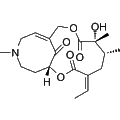
Senkirkin is a pyrrolizidine alkaloid that serves as a substrate for the cytochrome P450 enzyme CYP3A4. It has been shown to induce chromosomal damage in lymphocytes, highlighting its potential utility in toxicological studies. This compound can be leveraged in research applications involving drug metabolism and the assessment of genotoxicity.
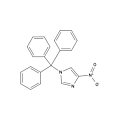
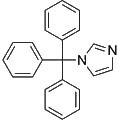
1-Tritylimidazole is a potent inducer of cytochrome P450 enzymes, which play a critical role in drug metabolism and biotransformation. This compound enhances the enzymatic activity of various Cytochrome P450 isoforms, facilitating studies on drug interactions and metabolic pathways. Its applications extend to research in pharmacology, toxicology, and the development of therapeutic agents.
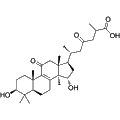
Ganolucidic acid B is a triterpenoid compound that acts as an inducer of CYP3A4 via activation of human PXR (hPXR). This compound is significant in the study of metabolic pathways and drug metabolism, making it a valuable reagent for research into the regulation of cytochrome P450 enzymes. Ganolucidic acid B is useful for investigating the effects of metabolic inducers on pharmacokinetics and drug-drug interactions.
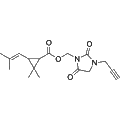
Imiprothrin is a potent inducer of CYP1A2, known for its significant effects on metallothionein 1a expression. This compound exhibits genotoxic and cytotoxic properties, evident through the initiation of detoxification responses in rat hepatocytes and the induction of chromosomal aberrations and micronucleus formation in bone marrow cells. Additionally, Imiprothrin prompts oxidative stress, resulting in lipid peroxidation and reactive oxygen species production, which can adversely affect liver and kidney functions. Though it inhibits weight gain and can lead to high mortality in female mice at elevated doses, it has not shown carcinogenicity in rat studies, with sensitive toxicity biomarkers including aspartate aminotransferase and total protein.
Out of stock
All 3 sizes
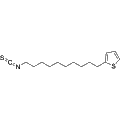
Thienyldecyl Isothiocyanate serves as a cytochrome P450 modulator, demonstrating significant antiproliferative activity against cancer cells. This compound exerts its effects through the inhibition of cytochrome P450 enzymes and the induction of phase II detoxification enzymes, impacting xenobiotic metabolism. Thienyldecyl isothiocyanate is valuable for research in cancer biology and pharmacology, particularly in studies exploring enzyme modulation and its implications for drug metabolism and efficacy.
Out of stock
All 3 sizes
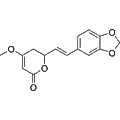
Synonyms: DL-Methysticin; (±)-Methystici
Methysticin is a kavalactone derived from kava extract, primarily acting as an inducer of CYP1A1. This compound is relevant in studies investigating metabolic enzyme modulation and its impact on drug metabolism. Additionally, it has potential implications in understanding the biochemical pathways associated with liver function and detoxification processes.