Endogenous Metabolite

Endogenous metabolites are small molecules made by the body's own metabolism, such as amino acids and steroids. They are used as metabolomics standards, as enzyme substrates and as tools to probe how metabolic pathways are regulated. L-Citrulline, an intermediate of the urea cycle, is also formed when nitric oxide synthase produces nitric oxide. 17-Hydroxyprogesterone is a steroid intermediate on the route to cortisol. Prostaglandin E1 represents the eicosanoids, a group of lipid mediators derived from fatty acids. Nicotinamide riboside chloride is a precursor of nicotinamide adenine dinucleotide (NAD+), the cofactor used by sirtuins.

Items 1-25 of 34

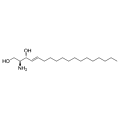
  • D-erythro-Sphingosine
    Cat. No.
    A12304

    D-erythro-Sphingosine

    Synonyms: Erythrosphingosine; erythro-C18-Sphingosine; trans-4-Sphingenine

    D-erythro-Sphingosine (Erythrosphingosine) is a very potent activator of p32-kinase with an EC50 of 8 μM, and inhibits protein kinase C (PKC). D-erythro-Sphingosine (Erythrosphingosine) is also a PP2A activator.

    5 mg
    $25.00
    10 mg
    $30.00
    All 7 sizes
  • Oleic acid
    Cat. No.
    A16642

    Oleic acid

    Synonyms: 9-cis-Octadecenoic acid; 9Z-Octadecenoic acid

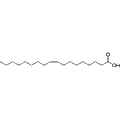
    Oleic acid (9-cis-Octadecenoic acid) is an abundant monounsaturated fatty acid. Oleic acid is a Na+/K+ ATPase activator.

    1 mg
    $25.00
    5 mg
    $30.00
    All 8 sizes
  • Sucralose
    Cat. No.
    A16724

    Sucralose

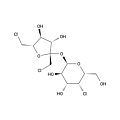
    Sucralose is an activator of taste receptor, type 1, member 2 (T1R2) and taste receptor type 1, member 3 (T1R3).

    5 g
    $20.00
    10 g
    $30.00
    All 2 sizes
  • (E)-Ferulic acid
    Cat. No.
    A18381

    (E)-Ferulic acid

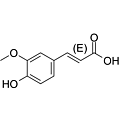
    (E)-Ferulic acid is a isomer of Ferulic acid which is an aromatic compound, abundant in plant cell walls. (E)-Ferulic acid shows a potent ability to remove reactive oxygen species (ROS) and inhibits lipid peroxidation. (E)-Ferulic acid exerts both anti-proliferation and anti-migration effects in the human lung cancer cell line H1299.

    100 mg
    $20.00
    200 mg
    $30.00
    All 5 sizes
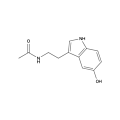
  • N-Acetyl-5-hydroxytryptamine
    Cat. No.
    A19581

    N-Acetyl-5-hydroxytryptamine

    Synonyms: N-Acetylserotonin; Normelatonin; O-Demethylmelatonin

    N-Acetyl-5-hydroxytryptamine is a Melatonin precursor, and that it can potently activate TrkB receptor.

    5 mg
    $25.00
    10 mg
    $25.00
    All 6 sizes
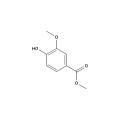
  • Methyl vanillate
    Cat. No.
    A20626

    Methyl vanillate

    Synonyms: NSC 74385

    Methyl vanillate, one of the ingredients in Hovenia dulcis Thunb, is a Wnt/β-catenin pathway activator. A benzoate ester that is the methyl ester of vanillic acid. It has a role as an antioxidant and a plant metabolite.

    500 mg
    $25.00
    1 g
    $35.00
    All 6 sizes
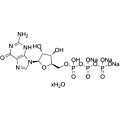
  • 5'-GTP trisodium salt hydrate
    Cat. No.
    A21514

    5'-GTP trisodium salt hydrate

    Synonyms: Guanosine 5'-triphosphate trisodium salt hydrate

    5'-GTP trisodium salt hydrate is an activator of the signal transducing G proteins and also serves as an energy-rich precursor of mononucleotide units in the enzymatic biosynthesis of DNA and RNA.

    50 mg
    $40.00
    100 mg
    $65.00
    All 5 sizes
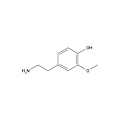
  • 3-Methoxytyramine
    Cat. No.
    A21676

    3-Methoxytyramine

    Synonyms: 3-O-methyl Dopamine

    3-Methoxytyramine, a well known extracellular metabolite of 3-hydroxytyramine/dopamine, is a neuromodulator.

    50 mg
    $25.00
    100 mg
    $40.00
    All 4 sizes
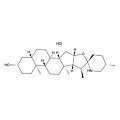
  • Tomatidine hydrochloride
    Cat. No.
    A22284

    Tomatidine hydrochloride

    Tomatidine hydrochloride acts as an anti-inflammatory agent by blocking NF-κB and JNK signaling. Tomatidine hydrochloride activates autophagy either in mammal cells or C elegans.

    5 mg
    $35.00
    10 mg
    $65.00
    All 5 sizes
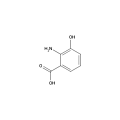
  • 3-Hydroxyanthranilic acid
    Cat. No.
    A22292

    3-Hydroxyanthranilic acid

    3-Hydroxyanthranilic Acid (3-HAA, 3-HANA), a tryptophan metabolite, has an immunomodulatory effect that may result from inhibition of PI3K/Akt/mTOR and NF-κB activity, thereby decreasing the production of pro-inflammatory mediators.

    50 mg
    $45.00
    100 mg
    $60.00
    All 4 sizes
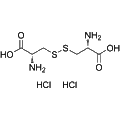
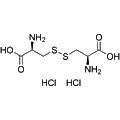
  • L-Cystine dihydrochloride
    Cat. No.
    A27045

    L-Cystine dihydrochloride

    L-Cystine dihydrochloride is the dihydrochloride salt of the endogenous metabolite L-Cystine, functioning primarily as an activator of the Nrf2 transcription factor. This compound enhances Nrf2 protein expression, leading to a reduction in reactive oxygen species (ROS) generation and protection against apoptosis induced by oxidants or Doxorubicin. Additionally, L-Cystine dihydrochloride, in combination with L-theanine, promotes the production of antigen-specific IgG and modulates T helper 2 (Th2) responses by elevating glutathione (GSH) levels in murine models. It holds potential for investigating conditions such as cystinuria and the formation of kidney stones.

    100 mg
    $25.00
    500 mg
    $30.00
    All 3 sizes
  • L-Cystine hydrochloride
    Cat. No.
    A27085

    L-Cystine hydrochloride

    L-Cystine hydrochloride is an endogenous metabolite that serves as a potent Nrf2 activator and reactive oxygen species (ROS) inhibitor. It enhances Nrf2 protein expression, facilitating transcriptional responses that combat oxidative stress. Research indicates that L-Cystine hydrochloride reduces ROS generation and protects cells from apoptosis induced by oxidants or Doxorubicin. Additionally, its combination with L-theanine has been shown to boost antigen-specific IgG production by elevating glutathione levels and promoting T helper 2 (Th2) responses. This compound has significant potential for studying cystinuria and kidney stone formation.

    1 g
    $20.00
    5 g
    $50.00
    All 2 sizes
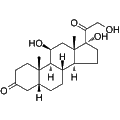
  • 5β-Dihydrocortisol
    Cat. No.
    A30613

    5β-Dihydrocortisol

    5β-Dihydrocortisol, a metabolite of cortisol, serves as an apoptosis activator with potential implications for cancer research. It enhances glucocorticoid activity, notably in raising intraocular pressure. Additionally, 5β-Dihydrocortisol has been shown to induce apoptosis in breast cancer cells, making it a valuable reagent for studies focused on cellular signaling and cancer therapeutics.

    5 mg
    $90.00
    10 mg
    $150.00
    All 2 sizes
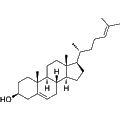
  • Desmosterol
    Cat. No.
    A35526

    Desmosterol

    Desmosterol is a cholesterol precursor involved in the Bloch pathway of cholesterol biosynthesis. As an endogenous metabolite, it plays a critical role in the study of cholesterol metabolism. Desmosterol functions as a liver X receptor (LXR) activator and SREBP inhibitor, which can mitigate macrophage inflammasome activation, thereby reducing vascular inflammation and the risk of atherosclerosis. Furthermore, lower levels of Desmosterol can lead to increased production of mitochondrial reactive oxygen species (ROS) in macrophages and activate the NLRP3 inflammasome through pyrin domain mechanisms. This compound is valuable for research focused on inflammation, metabolic processes, and cardiovascular diseases.

    2 mg
    $30.00
    5 mg
    $45.00
    All 6 sizes
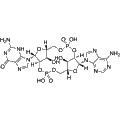
  • 2'2'-cGAMP
    Cat. No.
    A64859

    2'2'-cGAMP

    2'2'-cGAMP is a synthetic cyclic dinucleotide (CDN) that targets the STING (Stimulator of Interferon Genes) pathway, playing a crucial role in the immune response. It effectively induces the production of interferon-beta (IFN-β), a key cytokine involved in antiviral defense. While 2'2'-cGAMP exhibits a weaker affinity for STING compared to 2'3'-cGAMP, it demonstrates a stronger interaction than other CDNs, making it valuable for research in immunology and therapeutic applications related to immune modulation.

    0.5 mg
    $840.00
    1 mg
    $1,425.00
    All 2 sizes
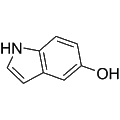
  • 5-Hydroxyindole
    Cat. No.
    A65993

    5-Hydroxyindole

    5-Hydroxyindole is a tryptophan metabolite that serves as a potent activator of α7 nicotinic acetylcholine receptors and influences intestinal L-type calcium channels. It modulates the desensitization of 5-HT3 receptor-mediated ion currents, making it relevant in neurobiological studies. This compound is utilized in research on neuroblastoma, schizophrenia, and disorders related to intestinal motility.

    500 mg
    $20.00
    1 g
    $30.00
    All 4 sizes
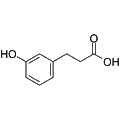
  • 3-(3-Hydroxyphenyl)propionic acid
    Cat. No.
    A66109

    3-(3-Hydroxyphenyl)propionic acid

    3-(3-Hydroxyphenyl)propionic acid (3HPPA) functions as an endothelium-dependent promoter of nitric oxide (NO) release and an activator of endothelial nitric oxide synthase (eNOS). This compound facilitates vascular smooth muscle relaxation by enhancing NO synthesis in endothelial cells, leading to vasodilation and decreased peripheral vascular resistance. In studies, 3HPPA has shown a dose-dependent ability to lower systolic and diastolic blood pressure in spontaneously hypertensive rats without affecting cardiac contractility or heart rate. Its antihypertensive and vascular protective properties make it a valuable reagent for investigating cardiovascular disease prevention and treatment.

    1 g
    $20.00
    5 g
    $35.00
    All 3 sizes
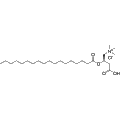
  • Stearoyl-L-carnitine chloride
    Cat. No.
    A67015

    Stearoyl-L-carnitine chloride

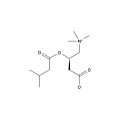
    Stearoyl-L-carnitine chloride is an endogenous long-chain acylcarnitine that serves as a modulator of glycine transport. It exhibits inhibitory activity on the GlyT2 receptor, reducing glycine responses by 16.8% at concentrations up to 3 μM. This compound is of interest in research focusing on neurotransmitter regulation and metabolic processes related to acylcarnitines.

    2 mg
    $25.00
    5 mg
    $40.00
    All 6 sizes
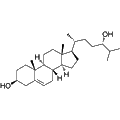
  • 24(S)-Hydroxycholesterol
    Cat. No.
    A67065

    24(S)-Hydroxycholesterol

    Synonyms: 24S-OHC; 24S-HC; Cerebrosterol

    24(S)-Hydroxycholesterol (24S-OHC) is an endogenous metabolite primarily involved in cholesterol homeostasis within the brain. As a potent and selective positive allosteric modulator of N-methyl-D-aspartate receptors (NMDARs), 24S-OHC functions through a unique mechanism distinct from other allosteric modulators. Its high levels in both the brain and circulation make it a valuable tool for research into neurological functions and disorders related to cholesterol metabolism and synaptic transmission.

    1 mg
    $170.00
    5 mg
    $310.00
    All 3 sizes
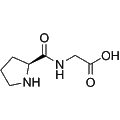
  • L-Prolylglycine
    Cat. No.
    A71755

    L-Prolylglycine

    L-Prolylglycine is an endogenous metabolite that serves as an important modulator of cellular signaling pathways. This compound is known to exhibit neuroprotective effects and plays a role in cognitive function. It is utilized in research applications focused on neurobiology, metabolism, and the study of related disorders.

    100 mg
    $20.00
    250 mg
    $25.00
    All 4 sizes
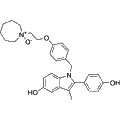
  • Bazedoxifene N-Oxide
    Cat. No.
    A72181

    Bazedoxifene N-Oxide

    Bazedoxifene N-Oxide is the oxidative metabolite of the selective estrogen receptor modulator, Bazedoxifene. It serves as a valuable tool in research focused on estrogen receptor signaling pathways and provides insights into the metabolic fate of Bazedoxifene. This compound can be utilized in studies exploring the pharmacological effects and safety profiles of SERMs, contributing to a better understanding of their therapeutic applications in various estrogen-related conditions.

    5 mg
    $190.00
    10 mg
    $355.00
    All 5 sizes
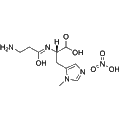
  • L-Anserine nitrate
    Cat. No.
    A72199

    L-Anserine nitrate

    L-Anserine nitrate is an endogenous metabolite that serves as a potential modulator of physiological processes. It plays a role in various metabolic pathways and has been studied for its involvement in muscle metabolism and neuroprotection. Research applications include investigating its effects on cellular functions, energy metabolism, and potential therapeutic uses in disorders related to oxidative stress and inflammation.

    5 mg
    $25.00
    10 mg
    $35.00
    All 6 sizes
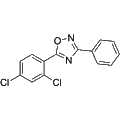
  • AHR activator 1
    Cat. No.
    A73177

    AHR activator 1

    AHR Activator 1 is an aryl hydrocarbon receptor (AHR) activator that modulates fibroblast growth factor-2 (FGF2)-induced branching morphogenesis. It functions by inhibiting AHR signaling, thereby preventing cellular branch formation. Additionally, AHR Activator 1 interacts with dissociated linkers, highlighting their significance in the inhibitory effects of AHR agonists on branching. This compound is valuable for studying mammary gland morphogenesis and understanding the mechanisms underlying FGF-induced invasion.

    25 mg
    $1,275.00
    50 mg
    $1,625.00
    All 3 sizes

Items 1-25 of 34

Added to your cart

View Cart Checkout

    Loading...