- Cat. No.
- A12581
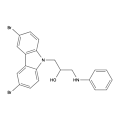
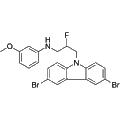
P7C3-A20
P7C3-A20 is a potent neuroprotective agent.
Search by product name, CAS, target or catalog number. Press Down Arrow to reach product suggestions, Tab to move between links, and Escape to close suggestions.
NAMPT inhibitors and activators act on nicotinamide phosphoribosyltransferase in the NAD+ salvage pathway. NAMPT converts nicotinamide to nicotinamide mononucleotide, the rate-limiting step in recycling nicotinamide adenine dinucleotide (NAD+). A 2004 study showed that this salvage pathway sustains NAD+ levels and regulates sirtuin deacetylase activity in mammalian cells. FK866, described in 2003 as a noncompetitive NAMPT inhibitor, depletes NAD+ and triggers apoptosis in tumor cell lines. CHS-828, GNE-617 and STF 118804 are further inhibitors, and KPT 9274 inhibits both NAMPT and p21-activated kinase 4 (PAK4). P7C3, P7C3-A20 and SBI-797812 act in the opposite direction, and P7C3 compounds were shown in 2014 to activate NAMPT in studies of neuroprotection.
P7C3-A20 is a potent neuroprotective agent.
P7C3 is neurogenic and protects new neurons against apoptosis. It protects newborn neurons in the dentate gyrus and stimulates the growth of new neurons.
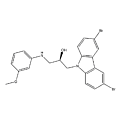
Synonyms: R-P7C3-Ome
(R)-P7C3-Ome is a methoxy derivative of parent compound P7C3, an aminopropyl carbazole that exhibits antidepressant and neuroprotective activities.
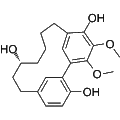
Myricanol is a diarylheptanoid that acts as a Nampt activator, enhancing SIRT1 and PRDX5 activities. This compound exhibits notable anti-inflammatory properties and mitigates glucocorticoid-induced muscle atrophy while regulating inflammatory mediators. Additionally, it demonstrates growth inhibition and promotes apoptosis in human lung adenocarcinoma A549 cells. Myricanol is also implicated in neuroprotection via autophagy-mediated clearance of microtubule-associated protein tau and contributes to cardiovascular health by inhibiting key signaling pathways such as PDGFRβ and NF-κB. Its activation of mitochondrial transcription factor A (TFAM) further supports anti-renal fibrosis effects and improves insulin sensitivity through AMPK activation.
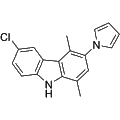
Carba1 is a bifunctional carbazole derivative that acts as an activator of nicotinamide phosphoribosyltransferase (NAMPT), thereby enhancing NAD biosynthesis. This compound also binds to the colchicine site of tubulin, which can potentiate the anticancer effects of various chemotherapeutic agents, including Paclitaxel. Additionally, Carba1 displays neuroprotective properties and is capable of modulating cellular energy metabolism. It is suitable for research applications focused on cancer therapies and chemotherapy-induced peripheral neuropathy (CIPN).
NAMPT activator-9 is an allosteric, non-competitive activator of nicotinamide adenine dinucleotide (NAD+) biosynthesis, targeting the enzyme NAMPT with an EC50 of 3.366 μM. This compound enhances NAMPT's enzymatic activity, leading to increased intracellular NAD+ levels. Furthermore, NAMPT activator-9 has been shown to restore myotube diameter and decrease the expression of muscle atrophy markers Atrogin-1 and MuRF1, making it a valuable tool for research on muscle atrophy and related metabolic disorders.
Out of stock
All 3 sizes
NAT is a potent NAMPT activator, exhibiting an EC50 of 5.7 μM and a KD of 379 nM. As the rate-limiting enzyme in the NAD salvage pathway, NAMPT is crucial for maintaining cellular NAD levels, making it a valuable target for studying diseases linked to NAD depletion, such as neurodegenerative disorders. This compound is essential for research aiming to explore therapeutic strategies that enhance NAD metabolism and combat related pathologies.
Nampt Activator-3 is a potent NAD+ biosynthesis enhancer targeting nicotinamide phosphoribosyltransferase (NAMPT). With an EC50 of 2.6 μM and a KD of 132 nM, it effectively protects cultured cells from FK866-mediated toxicity. Additionally, Nampt Activator-3 demonstrates substantial neuroprotective effects in a mouse model of chemotherapy-induced peripheral neuropathy (CIPN), indicating its potential applicability in neuroprotection research and therapeutic interventions.
Nampt activator-1 is a potent activator of Nicotinamide phosphoribosyltransferase (NAMPT), exhibiting an EC50 in the range of 3.3 to 3.7 μM. This compound enhances NAMPT activity, which plays a crucial role in NAD+ biosynthesis. It has potential applications in research focused on metabolic disorders, neuroprotection, and aging-related studies, making it a valuable tool for investigating NAD+ metabolism and its implications in cellular energetics.
Nampt activator-2 is a potent NAMPT activator, demonstrating an EC50 value of 0.023 μM. This compound also exhibits moderate inhibitory activity against cytochrome P450 enzymes CYP2C9 (0.060 μM), CYP2D6 (0.41 μM), and CYP2C19 (0.59 μM). Its primary application lies in enhancing NAMPT-mediated pathways, making it a valuable tool for research in metabolic regulation and potential therapeutic interventions.
Nampt activator-4 is a potent activator of nicotinamide phosphoribosyltransferase (NAMPT), exhibiting an EC50 of 0.058 μM in human cells and a binding affinity (Ka) of 0.08538 μM. By binding to the rear channel of NAMPT, it enhances enzyme activity and counteracts feedback inhibition caused by nicotinamide and NAD+, leading to increased cellular levels of nicotinamide adenine dinucleotide (NAD+). Nampt activator-4 can effectively shift the concentration-response curve of NAMPT inhibitors, making it a valuable tool for research into type 2 diabetes and metabolic regulation. Its stability in liver microsomes and impact on cytochrome P450 activity (CYP2D6 and CYP3A4) further support its potential utility in pharmacological studies.
JGB-1-155 is a positive allosteric modulator of nicotinamide phosphoribosyltransferase (NAMPT), displaying an EC50 of 3.29 μM. This compound enhances NAD+ production, thereby mitigating oxidative stress in THP-1 human monocytes. Additionally, JGB-1-155 is effective in reducing TNFα-induced reactive oxygen species (ROS) levels in HT-22 neuronal cells, positioning it as a valuable tool for research into cellular stress responses and metabolic regulation.
NAMPT activator-7 is a selective activator of nicotinamide phosphoribosyltransferase (NAMPT), exhibiting an EC50 of less than 0.5 μM. This compound effectively enhances NAMPT activity in U2OS cells, promoting NAD+ biosynthesis and potentially supporting cellular metabolism and energy homeostasis. Its applications include research focused on metabolic disorders, cancer biology, and studies related to aging and longevity.
Out of stock
All 3 sizes
NAMPT activator-6 is a potent activator of nicotinamide adenine monophosphate (NAMPT), playing a crucial role in the regulation of NAD+ biosynthesis. This compound facilitates reversible control over NAMPT and NAD+ levels through light-mediated techniques, enabling the development of photoswitchable proteolysis-targeting chimeras (PS-PROTACs). Research applications include modulation of NAMPT and NAD+ in vivo, offering potential for enhanced antitumor activity while minimizing the side effects associated with traditional inhibitors.
Out of stock
All 3 sizes
NAMPT activator-8 is a potent activator of nicotinamide phosphoribosyltransferase (NAMPT) with an EC50 of less than 0.5 μM. This compound effectively enhances NAMPT activity in U2OS cells, facilitating increased NAD+ synthesis. NAMPT activator-8 is valuable for research applications focused on metabolic regulation and cellular energy homeostasis.
Out of stock
All 3 sizes