PDE

Phosphodiesterase (PDE) inhibitors prevent the hydrolysis of cyclic nucleotides, second messengers of many receptors. The PDE superfamily comprises 11 families, PDE1 to PDE11, which differ in substrate preference, regulation and tissue distribution. Some families hydrolyze cyclic adenosine monophosphate (cAMP), others cyclic guanosine monophosphate (cGMP), and several act on both. By controlling the amplitude and location of these signals, PDEs shape inflammation, smooth muscle tone and cardiac function. PDE4 inhibitors in this category include roflumilast and apremilast, which are studied in inflammatory cell signaling. Sildenafil inhibits the cGMP-specific PDE5, and cilostazol is a PDE3 inhibitor. Ibudilast inhibits several families, including PDE3, PDE4, PDE10 and PDE11.

1 Item

  • 2',3'-Cyclic NADP disodium
    Cat. No.
    A41872

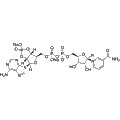
    2',3'-Cyclic NADP disodium

    Synonyms: 2',3'-cNADP+; β-Nicotinamide adenine dinucleotide-2',3'-cyclic phosphate

    2',3'-Cyclic NADP disodium serves as a substrate for phosphodiesterase (PDE), particularly 2',3'-cyclic nucleotide 3'-phosphodiesterase (CNP), which is predominantly found in myelin. This compound has been utilized in coupled enzyme assays for the precise quantification of CNP activity. Additionally, 2',3'-Cyclic NADP disodium (at a concentration of 5 μM) has demonstrated the ability to enhance calcium overload-induced calcium release and mitigate calcium-induced swelling in rat brain mitochondria, making it a valuable tool in neurobiological research.

    7.3 mg
    $770.00
    All 1 sizes

1 Item

Added to your cart

View Cart Checkout

    Loading...