- Cat. No.
- A14328
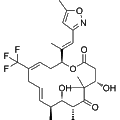
Sagopilone
Synonyms: DE 03757; ZK 219477; ZK-EPO
Sagopilone is a fully synthetic low-molecular-weight epothilone with potential antineoplastic activity.
Search by product name, CAS, target or catalog number. Press Down Arrow to reach product suggestions, Tab to move between links, and Escape to close suggestions.
Microtubule and tubulin inhibitors bind tubulin and either stabilize microtubules or block their assembly. Microtubules are dynamic polymers of α/β-tubulin dimers that build the mitotic spindle and serve as tracks for intracellular transport. Compounds that alter their dynamics arrest cells in mitosis and are standard tools in cell division research. Taxanes such as paclitaxel, docetaxel and cabazitaxel stabilize microtubules, and paclitaxel was shown in 1979 to promote tubulin assembly in vitro. Epothilone B and ixabepilone also stabilize microtubules through the taxane binding region of β-tubulin. The vinca alkaloids vincristine and vinorelbine, colchicine and eribulin act in the opposite direction and suppress polymerization.
Synonyms: DE 03757; ZK 219477; ZK-EPO
Sagopilone is a fully synthetic low-molecular-weight epothilone with potential antineoplastic activity.
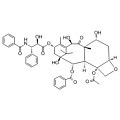
Synonyms: Ormosin VI
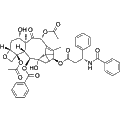
7-Epi 10-Desacetyl Paclitaxel is a derivative of Paclitaxel, which is a microtubule polymer stabilizer with IC50 of 0.1 pM in human endothelial cells.
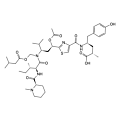
Synonyms: TubA
Tubulysin A(TubA) is a myxobacterial product that can function as an antiangiogenic agent in many in vitro assays; anti-microtubule, anti-mitotic, an apoptosis inducer, anticancer, anti-angiogenic, and antiproliferative.
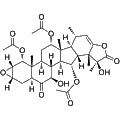
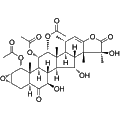
Taccalonolide E is a microtubule stabilizer that enhances microtubule polymerization and stability, leading to disruption of mitotic spindle formation. This compound effectively induces apoptosis in various cancer cell types by activating pathways associated with cell cycle arrest. Taccalonolide E is useful for research involving cancer biology, specifically in studies targeting microtubule dynamics and apoptotic mechanisms.
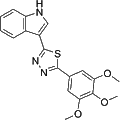
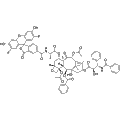
NMK-TD-100 is a microtubule modulator that binds to tubulin, effectively inhibiting tubulin polymerization with an IC50 of 17.5 µM. This compound disrupts mitosis and leads to a decrease in mitochondrial membrane potential (MMP). Additionally, NMK-TD-100 demonstrates significant anti-proliferative activity against HeLa cells, with an IC50 of 1.42 µM, causing cell cycle arrest at the G2/M phase and inducing apoptosis. Its applications include studying microtubule dynamics and exploring potential cancer therapies.
Flutax-2 is a fluorescent derivative of Paclitaxel, functioning as a microtubule stabilizer through specific binding to polymerized αβ-tubulin dimers. This reagent is ideal for imaging microtubules in live cells, isolated cytoskeletons, and certain parasitic organisms, with excitation and emission wavelengths of 496 nm and 526 nm, respectively. Its high sensitivity enables researchers to investigate microtubule dynamics and cellular processes in real-time applications.
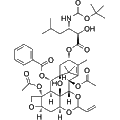
TPI-287 is a microtubule stabilizer that effectively penetrates the blood-brain barrier. This compound demonstrates significant inhibitory effects on metastatic colonization of breast cancer in the brain. TPI-287 is useful in research aimed at understanding tumor progression and developing therapeutic strategies for brain metastases.
Taccalonolide B is a microtubule stabilizer that targets tubulin, exhibiting notable antitumor activity. This compound demonstrates efficacy in vitro against cell lines with overexpression of P-glycoprotein (Pgp) and multidrug-resistance protein 7 (MRP7). Taccalonolide B effectively inhibits the growth of SK-OV-3 cells, yielding an IC50 value of 208 nM, making it a valuable tool for cancer research and drug resistance studies.
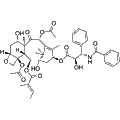
Isocephalomannine is a tubulin modulator that exhibits cytotoxic activity against cancer cells. This compound disrupts microtubule dynamics, leading to apoptotic cell death, particularly in breast cancer cells. Isocephalomannine is a valuable tool for research applications focused on cancer biology and therapeutic strategies targeting microtubule stabilization and destabilization.
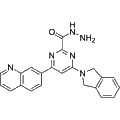
Microtubule Stabilizer-1 targets microtubule stabilization, enhancing the levels of acetylated α-tubulin (AcTub) in neuronal cells. This compound effectively prevents the loss of microtubules induced by Okadaic acid treatment, making it a valuable tool for investigating Alzheimer’s disease and related neurodegenerative tauopathies. Its ability to penetrate the blood-brain barrier further supports its application in neuroscience research.
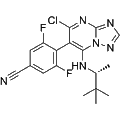
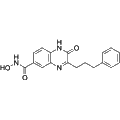
OX01914 is a water-soluble utrophin modulator that enhances utrophin protein levels, demonstrating an EC50 value of 20.5 μM. This compound serves as a valuable tool in the study of Duchenne muscular dystrophy (DMD), facilitating research aimed at developing therapeutic strategies for this condition. Its mechanism of action supports investigations into muscle regeneration and the functional recovery of dystrophic muscle tissue.
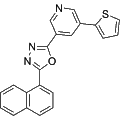
Utrophin modulator 1 is a potent utrophin modulator that upregulates utrophin protein levels, demonstrating an EC50 value of 0.11 μM. This compound is particularly relevant in research focused on Duchenne muscular dystrophy (DMD), offering a valuable tool for studies aimed at exploring therapeutic strategies for this debilitating condition. Its ability to enhance utrophin expression positions it as a promising candidate in the development of targeted treatments.
Out of stock
All 3 sizes
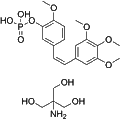
Fosbretabulin tromethamine is a tubulin modulator that disrupts microtubule dynamics. It acts as a vascular disrupting agent, primarily targeted for the treatment of anaplastic thyroid carcinoma (ATC) by inducing acute, reversible reductions in tumor blood flow and resulting in central necrosis. This compound is instrumental in researching tumor vasculature and assessing therapeutic strategies aimed at disrupting blood supply to tumors.
Out of stock
All 3 sizes
2'-Deoxy-PTX is a derivative of Paclitaxel that functions as a microtubule assembly inducer. It binds efficiently to GMPcPP-stabilized microtubules, exhibiting a binding affinity with a Kaapp of 0.50 × 10^6 M^-1. By promoting the assembly of tubulin into stable microtubules, 2'-Deoxy-PTX serves as a valuable reagent in cancer research, particularly in studies focused on prostate cancer.
Out of stock
All 3 sizes
Synonyms: IDN 5109; BAY 59-8862
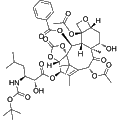
Ortataxel is a novel antitumor agent that functions as a microtubule stabilizer, effectively disrupting cell division. It demonstrates significant cytotoxic activity against various drug-sensitive and resistant cancer cell lines, making it a valuable tool for cancer research. Its potential applications include assessing drug resistance mechanisms and exploring combination therapies in preclinical studies.
Out of stock
All 3 sizes
TCS 2210 is a neuronal differentiation inducer that promotes the differentiation of mesenchymal stem cells (MSCs) into neuronal lineages. This compound enhances the expression of key neuronal markers, including β-III tubulin and neuron-specific enolase (NSE), making it a valuable tool for research in neurogenesis and neural cell development. Its application supports investigations into neurodegenerative diseases and potential regenerative therapies.
EVs inducer-1 is an extracellular vesicle (EV) release inducer that targets tubulin polymerization. This compound enhances the secretion of immunostimulatory EVs from antigen-presenting cells, particularly increasing EV particle release from dendritic cells and elevating CD63 reporter gene activity. Additionally, EVs inducer-1 inhibits the viability of proliferating cells, making it a valuable tool for research in immune regulation and EV biology.
Out of stock
All 3 sizes
Synonyms: KOS-1803
Isofludelone is a microtubule stabilizer that demonstrates significant antitumor activity, making it a valuable compound for cancer research, particularly in the study of solid tumors. By promoting microtubule stabilization, isofludelone can disrupt normal cellular mechanisms, leading to potential therapeutic advances in oncology. Its application in research may provide insights into the pathological processes associated with tumorigenesis and aid in the development of effective treatments.
Synonyms: Cent-1
Centmitor-1 is a potent mitotic arrest inducer that targets microtubule dynamics by modulating microtubule plus-ends. Its application in cell studies reveals significant phenotypes, including chromosome alignment defects, multipolar spindle formation, centrosome fragmentation, and activation of the spindle assembly checkpoint. Centmitor-1 serves as a valuable tool for investigating mitotic processes and exploring therapeutic strategies in cancer research.