
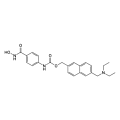
- Cat. No.
- A21126
Givinostat
Givinostat (ITF-2357) is a HDAC inhibitor with an IC50 of 198 and 157 nM for HDAC1 and HDAC3, respectively.
In stock
View Details
Search by product name, CAS, target or catalog number. Press Down Arrow to reach product suggestions, Tab to move between links, and Escape to close suggestions.
Histone deacetylase (HDAC) inhibitors block enzymes that remove acetyl groups from histones and other proteins. Deacetylation compacts chromatin and generally represses transcription, so HDAC inhibitors are widely used to study gene regulation. Trichostatin A was characterized in 1990 as a specific inhibitor of mammalian histone deacetylase. The first mammalian HDAC was cloned in 1996 and found to be related to the yeast transcriptional regulator Rpd3p. Isoform-selective tools include entinostat for HDAC1 and HDAC3, and Tubastatin A HCl for HDAC6, a microtubule-associated deacetylase. Broad-spectrum hydroxamates such as vorinostat and panobinostat, together with the cyclic depsipeptide romidepsin, complete the range.
Givinostat (ITF-2357) is a HDAC inhibitor with an IC50 of 198 and 157 nM for HDAC1 and HDAC3, respectively.
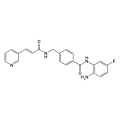
Synonyms: Chidamide impurity
HDAC-IN-7 (Chidamide impurity) is an impurity of Chidamide. Chidamide is a potent and orally bioavailable HDAC enzymes class I (HDAC1/2/3) and class IIb (HDAC10) inhibitor.
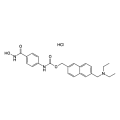
Synonyms: ITF-2357 hydrochloride; ITF2357
Givinostat hydrochloride (ITF-2357 hydrochloride) is a HDAC inhibitor with an IC50 of 198 and 157 nM for HDAC1 and HDAC3, respectively.
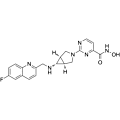
Synonyms: CHR-3996
Nanatinostat (CHR-3996) is a potent, class I selective and orally active histone deacetylase (HDAC) inhibitor with an IC50 of 8 nM.
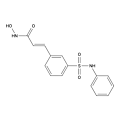
Synonyms: PXD101; PX105684
Belinostat (PXD101; PX105684) is a potent HDAC inhibitor with an IC50 of 27 nM in HeLa cell extracts.
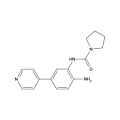
BRD6688 is a selective inhibitor of HDAC2 that acts by enhancing the learning and memory processes.
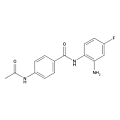
BRD3308 is a highly selective HDAC3 inhibitor with an IC50 of 54 nM.
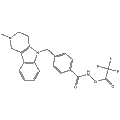
Tubastatin A is a potent HDAC6 inhibitor with an IC50 value of 15 nM.
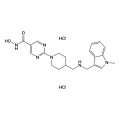
Synonyms: JNJ-26481585 dihydrochloride
Quisinostat dihydrochloride (JNJ-26481585 dihydrochloride) is an orally available, potent pan-HDAC inhibitor with IC50s of 0.11 nM, 0.33 nM, 0.64 nM, 0.46 nM, and 0.37 nM for HDAC1, HDAC2, HDAC4, HDAC10 and HDAC11, respectively. Quisinostat dihydrochloride has a broad spectrum antitumoral activity.
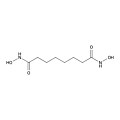
Synonyms: Suberohydroxamic acid; SBHA
Suberoyl bis-hydroxamic acid (Suberohydroxamic acid; SBHA) is a competitive and cell-permeable HDAC1 and HDAC3 inhibitor with ID50 values of 0.25 μM and 0.30 μM, respectively.
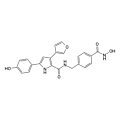
QTX125 is a potent and highly selective inhibitor of histone deacetylase 6 (HDAC6), demonstrating excellent specificity over other HDAC isoforms. It exhibits significant antitumor activity through selective inhibition of HDAC6-mediated pathways. Both the salt and free base forms of QTX125 display comparable biological activity at equivalent molar concentrations, ensuring consistent pharmacological effects across different formulations.
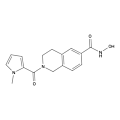
MPI_5a is a potent and selective inhibitor of histone deacetylase 6 (HDAC6), with an IC₅₀ of 36 nM. It exhibits minimal activity against other HDAC isoforms, demonstrating high isoform selectivity. In cellular assays, MPI_5a effectively inhibits acylated tubulin accumulation with an IC₅₀ of 210 nM, highlighting its utility in modulating HDAC6-dependent processes for potential therapeutic applications.
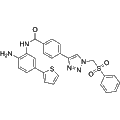
KPZ560 is a potent inhibitor of histone deacetylases HDAC1 and HDAC2, with IC₅₀ values of 12 nM and 68 nM, respectively. It has been shown to enhance dendritic spine density in granule neurons of mice, indicating potential neurotrophic effects. Additionally, KPZ560 inhibits the proliferation of MCF breast cancer cells, supporting its potential application in both neurobiological and oncological research.
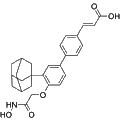
MIR002 is a potent, orally bioavailable dual inhibitor targeting DNA polymerase α (POLA1) and histone deacetylase 11 (HDAC11). It induces p53 acetylation, upregulates p21 expression, and triggers G1/S cell cycle arrest followed by apoptosis. MIR002 demonstrates significant antitumor efficacy in vivo, highlighting its potential as a therapeutic agent for cancers driven by POLA1 and HDAC11 dysregulation.
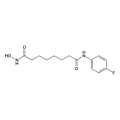
Synonyms: p-Fluoro-SAHA
F-SAHA is a histone deacetylase inhibitor (HDACi) structurally derived from suberoylanilide hydroxamic acid (SAHA). Its fluorine-18 (^18F) labeled derivative enables non-invasive imaging of HDAC expression and activity, making F-SAHA a valuable tool for tumor imaging research and the assessment of epigenetic modulation in vivo.
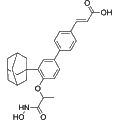
GEM144 is a potent and orally bioavailable dual inhibitor of DNA polymerase α (POLA1) and histone deacetylase 11 (HDAC11). It promotes p53 acetylation, induces p21 activation, and triggers G1/S cell cycle arrest followed by apoptosis. GEM144 exhibits significant antitumor efficacy in human orthotopic malignant pleural mesothelioma xenograft models, highlighting its potential as a targeted therapeutic agent for aggressive thoracic malignancies.
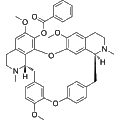
HL23 is a histone deacetylase (HDAC) inhibitor with demonstrated efficacy against hepatocellular carcinoma (HCC). It enhances acetylation at the TXNIP promoter, leading to upregulation of TXNIP expression and modulation of potassium channel activity, ultimately inducing TXNIP-dependent potassium deprivation. HL23 effectively suppresses HCC progression and metastasis, and exhibits a synergistic antitumor effect when combined with Sorafenib, outperforming the combination of Sorafenib and Vorinostat in preclinical models.
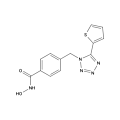
ITF 3756 is a potent and selective inhibitor of histone deacetylase 6 (HDAC6). In vitro, it effectively reduces the expression of PD-L1 on human monocytes and CD8⁺ T cells, suggesting immunomodulatory potential. ITF 3756 also exhibits antitumor activity, making it a promising candidate for cancer immunotherapy and epigenetic modulation research.
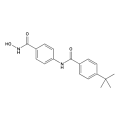
AES-350 is a potent and orally bioavailable histone deacetylase 6 (HDAC6) inhibitor, with an IC₅₀ of 0.0244 μM and a Kᵢ of 0.035 μM. It also exhibits inhibitory activity against HDAC3 and HDAC8, with IC₅₀ values of 0.187 μM and 0.245 μM, respectively. AES-350 induces apoptosis in acute myeloid leukemia (AML) cells through HDAC inhibition, making it a promising compound for AML research and the development of epigenetic-based cancer therapies.
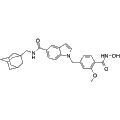
PB94 is a selective inhibitor of histone deacetylase 11 (HDAC11), with an IC₅₀ of 108 nM. It can be radiolabeled as [¹¹C]-PB94 for positron emission tomography (PET) imaging, enabling in vivo assessment of brain uptake and metabolic properties. PB94 has demonstrated efficacy in alleviating neuropathic pain in mouse models and holds potential as a research tool for investigating HDAC11-related mechanisms in neurological disorders.
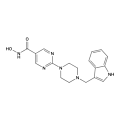
KH16 is a potent histone deacetylase (HDAC) inhibitor with low nanomolar activity, selectively targeting class I HDACs—HDAC1, HDAC2, and HDAC3—with IC₅₀ values ranging from 6 to 34 nM. It effectively induces apoptosis and exhibits broad-spectrum antitumor activity across cancer cells with diverse gene expression profiles, making it a promising candidate for epigenetic cancer therapy research.
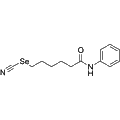
SelSA is a selective and orally active histone deacetylase 6 (HDAC6) inhibitor with an IC₅₀ of 56.9 nM. It also inhibits ERK1/2 phosphorylation, contributing to its anticancer effects. SelSA suppresses the proliferation of breast cancer and hepatocellular carcinoma cells with IC₅₀ values ranging from 0.58 to 2.6 μM, inhibits migration and invasion of Huh7 cells, and induces apoptosis. In vivo, SelSA demonstrates significant antitumor activity, supporting its potential as a therapeutic agent for solid tumors.
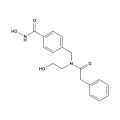
HPB is a selective histone deacetylase 6 (HDAC6) inhibitor with an IC₅₀ of 31 nM. It demonstrates over 30-fold selectivity for HDAC6 compared to HDAC1, making it a valuable tool for studying HDAC6-specific biological functions and a promising candidate for the development of targeted therapies in diseases involving HDAC6 dysregulation.
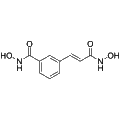
Synonyms: CBHA
m-Carboxycinnamic acid bishydroxamide is a potent histone deacetylase (HDAC) inhibitor, demonstrating in vitro ID₅₀ values of 10 nM for HDAC1 and 70 nM for HDAC3. It effectively induces apoptosis and suppresses tumor growth, making it a promising candidate for epigenetic cancer therapy and research focused on HDAC1/3-regulated pathways.
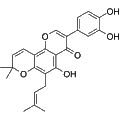
Synonyms: NSC 5113
Pomiferin (NSC 5113) is a natural compound that functions as a dual inhibitor of histone deacetylases (HDACs) and the mammalian target of rapamycin (mTOR). It exhibits an IC₅₀ of 1.05 μM for HDAC inhibition and an IC₅₀ of 6.2 μM for mTOR. With its dual-targeting activity, Pomiferin holds potential for anticancer research, particularly in pathways involving epigenetic regulation and cell growth signaling.