- Cat. No.
- A22571
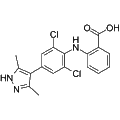
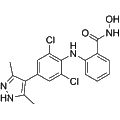
FB23
Synonyms: FB23 inhibitor
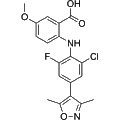
FB23 is a potent and selective inhibitor of N6-methyladenosine (m6A) demethylase FTO (fat mass and obesity associated protein).
Search by product name, CAS, target or catalog number. Press Down Arrow to reach product suggestions, Tab to move between links, and Escape to close suggestions.
FTO inhibitors target the fat mass and obesity-associated protein (FTO), an RNA demethylase. FTO belongs to the iron- and 2-oxoglutarate-dependent dioxygenases, a family that also removes methyl groups from DNA. In 2007, a common variant in the FTO gene was associated with body mass index and obesity. In 2011, N6-methyladenosine (m6A) in nuclear RNA was identified as a major FTO substrate, the first evidence of reversible RNA methylation. FTO inhibitors are used to study how m6A removal affects messenger RNA (mRNA) stability, adipogenesis and the growth of leukemia and glioblastoma cells. Representative inhibitors listed here include FB23, Dac590, MO-I-500 and FTO-IN-8. The m6A writer and readers are covered by the neighboring categories METTL3 and YTHDF.
Synonyms: FB23 inhibitor
FB23 is a potent and selective inhibitor of N6-methyladenosine (m6A) demethylase FTO (fat mass and obesity associated protein).
Dac590 is a potent inhibitor of the fat mass and obesity-associated protein (FTO). It demonstrates significant antiproliferative activity against acute myeloid leukemia (AML) cells by inducing apoptosis and causing G1 cell cycle arrest through the inhibition of oncogenic FTO signaling. In preclinical models, Dac590 effectively reduced tumor growth and extended survival without notable toxicity in AML xenograft mouse models. Additionally, it exhibits a synergistic effect when combined with Decitabine, enhancing its therapeutic potential in leukemia research.
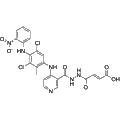
FTO-IN-13 is a potent inhibitor of the fat mass and obesity-associated protein (FTO), exhibiting significant antiproliferative activity. This compound induces apoptosis in cancer cells by downregulating the expression of the anti-apoptotic protein Bcl-2 and increasing active Caspase 3 levels. Additionally, FTO-IN-13 reduces the expression of oncogenes MYC and CEBPA, highlighting its potential as an effective agent in cancer research and therapeutic applications.
Out of stock
All 3 sizes
ZLD115 is a selective inhibitor of Fat Mass and Obesity-associated Protein (FTO). It demonstrates notable antileukemic activity, exhibiting antiproliferative effects against various leukemic cell lines. This compound is of significant interest for research applications focused on obesity-related metabolic disorders and leukemia treatment strategies.
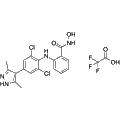
FTO-IN-1 TFA is a potent inhibitor of the fat mass and obesity-associated enzyme (FTO), exhibiting an IC50 of less than 1 μM. This compound is valuable for investigating the role of FTO in cancer biology and its implications in metabolic diseases. Researchers can utilize FTO-IN-1 TFA to explore its potential effects on cell proliferation, differentiation, and overall tumorigenesis.
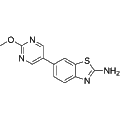
FTO-IN-8 is a potent inhibitor of the N6-methyladenosine demethylase FTO (fat mass- and obesity-associated protein), exhibiting an IC50 value of 5.5 μM. This compound demonstrates anti-cancer cell proliferative activity, making it a valuable tool for research into cancer biology and potential therapeutic strategies targeting FTO in various malignancies. Its ability to modulate RNA methylation offers insights into cellular mechanisms related to obesity and related diseases.
FTO-IN-7 is a selective inhibitor of FTO (fat mass and obesity-associated protein) with an IC50 of less than 1 μM. It demonstrates significant biological activity in the modulation of obesity-related pathways and has been utilized in research focused on small-cell lung cancer and human bone marrow striated muscle cancer. This compound is valuable for studies investigating the role of FTO in cancer biology and metabolic disorders.
FTO-IN-6 is a selective inhibitor of the fat mass and obesity-associated protein (FTO). This compound effectively modulates FTO's role in RNA demethylation and is essential for studies investigating obesity, metabolic disorders, and related metabolic pathways. FTO-IN-6 serves as a valuable tool for researchers aiming to explore the therapeutic potential of targeting FTO in various biological contexts.
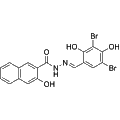
MO-I-500 is a potent inhibitor of the FTO (fat mass and obesity-associated protein) with an IC50 of 8.7 μM, specifically targeting the demethylation of methylated substrates. This compound demonstrates significant biological activity in the modulation of FTO's demethylase function. MO-I-500 is useful in research focused on diverse applications, including the investigation of panresistant triple-negative inflammatory breast cancer.
FTO-IN-3 is a selective inhibitor of fat mass and obesity-associated protein (FTO), which plays a critical role in the regulation of RNA methylation and metabolism. This compound has been shown to impair self-renewal in glioblastoma stem cells, making it a valuable tool for investigating stem cell biology and therapeutic strategies in glioblastoma. Its application in research could provide insights into the modulation of cancer stem cell properties and the potential development of targeted therapies.
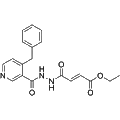
Ethyl LipotF is a selective inhibitor of the fat mass and obesity-associated protein (FTO), which plays a crucial role in RNA methylation. This compound has been shown to significantly increase levels of N6-methyladenosine (m6A) in HeLa cells in a concentration-dependent manner, facilitating research on RNA modification and its implications in various biological processes. Ethyl LipotF is a valuable tool for investigating FTO's role in metabolic regulation and related diseases.
FTO-IN-2 is an inhibitor of fat mass and obesity-associated protein (FTO), a demethylase implicated in RNA metabolism. This compound has been shown to inhibit self-renewal and proliferation in glioblastoma stem cells, making it a valuable tool for researching cancer stem cell biology and potential therapeutic strategies in glioblastoma treatment. Its role in modifying FTO activity can provide insights into the regulation of gene expression and cellular differentiation pathways.
FTO-IN-4 is a potent and selective inhibitor of fat mass and obesity-associated protein (FTO). This compound is known to modulate RNA demethylation activity, influencing various biological processes related to obesity and metabolism. FTO-IN-4 serves as a valuable tool in drug discovery and metabolic research, enabling the investigation of FTO's role in adipogenesis and related metabolic disorders.
FTO-IN-5 is a selective inhibitor of fat mass and obesity-associated protein (FTO). It demonstrates potent activity in modulating RNA methylation, thereby influencing metabolic processes related to obesity and related disorders. This compound is valuable for research applications focused on understanding the role of FTO in metabolism and its potential as a therapeutic target in obesity-related conditions.
FTO-IN-1 is a potent inhibitor of the fat mass and obesity-associated enzyme (FTO), demonstrating an IC50 of less than 1 μM. This compound is instrumental for investigating the role of FTO in cancer research, particularly in the context of metabolic regulation and adipocyte biology. Its inhibitory effects on FTO provide valuable insights into the pathways associated with obesity and related malignancies, making it a critical tool for biochemical studies in these areas.
FTO-IN-12 is an inhibitor of fat mass and obesity-related protein (FTO), with a Kd value of 185 nM and an IC50 of 1.46 μM. This compound plays a significant role in the modulation of RNA methylation and has potential implications in the study of neurodegenerative diseases. Its efficacy in target engagement makes it a valuable tool for researchers investigating the molecular mechanisms underlying obesity and related metabolic disorders.