- Cat. No.
- A10174
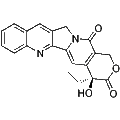
Camptothecin
Camptothecin is a cytotoxic quinoline alkaloid which inhibits the DNA enzyme topoisomerase I (topo I).
Search by product name, CAS, target or catalog number. Press Down Arrow to reach product suggestions, Tab to move between links, and Escape to close suggestions.
MicroRNA (miRNA) inhibitors are small molecules that interfere with the maturation or activity of miRNAs. These noncoding RNAs of about 22 nucleotides pair with messenger RNAs (mRNAs) and repress their translation or stability. Targapremir-210, MIR96-IN-1 and SID 3712249 are listed as inhibitors of miR-210, miR-96 and miR-544. Other compounds act on the RNA-binding protein LIN28, which blocks let-7 maturation by binding its precursor and directing terminal uridylation. LIN28 inhibitor LI71 and Lin28-let-7a antagonist 1 belong to this group. The set is mixed and also contains compounds with other main targets, such as camptothecin and the peptidylarginine deiminase (PAD) inhibitor Cl-amidine.
Camptothecin is a cytotoxic quinoline alkaloid which inhibits the DNA enzyme topoisomerase I (topo I).
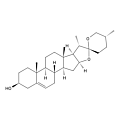
Diosgenin is a steroid sapogenin and the precursor for the semisynthesis of progesterone which in turn was used in early combined oral contraceptive pills.It is the product of hydrolysis by acids, strong bases, or enzymes of saponins, extracted from the tubers of Dioscorea wild yam, such as the Kokoro.
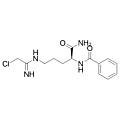
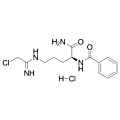
Cl-amidine is a peptidylarginine deminase (PAD) inhibitor, with an IC50 5.9 μM for PAD4.
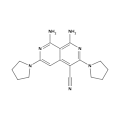
Synonyms: MiR-544 Inhibitor 1
SID 3712249 (MiR-544 Inhibitor 1) is an inhibitor of the biogenesis of microRNA-544 (miR-544).
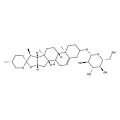
Diosgenin glucoside, a saponin compound extracted from Tritulus terrestris L., provides neuroprotection by regulating microglial M1 polarization. Diosgenin glucoside protects against spinal cord injury by regulating autophagy and alleviating apoptosis .
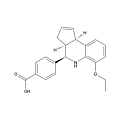
LIN28 inhibitor LI71 is a potent and cell-permeable LIN28 inhibitor, which abolishes LIN28-mediated oligouridylation with an IC50 of 7 uM.
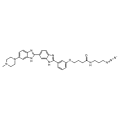
Targapremir-210 is a potent miR-210 inhibitor with an IC50 of 200 nM in MDA-MB-231 cells. Targapremir-210 binds to the Dicer site of the miR-210 hairpin precursor. This interaction inhibits production of the mature miRNA.
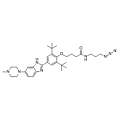
MIR96-IN-1 is a selective inhibitor of the biogenesis of microRNA-96. It acts by upregulating a protein target (FOXO1) and inducing apoptosis in cancer cells.
Cl-amidine (hydrochloride) is a peptidylarginine deminase (PAD) inhibitor, with an IC50 5.9 μM for PAD4.
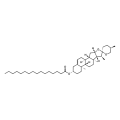
Synonyms: Diosgenin hexadecanoate; Spirost-5-en-3β-ol; palmitate; Spirost-5-en-3-ol; hexadecanoate; (3β,25R)- (9CI)
Diosgenin palmitate, also known as Diosgenin hexadecanoate, is the hexadecanoic ester of Diosgenin. Diosgenin, a phytosteroid sapogenin, is the product of hydrolysis by acids, strong bases, or enzymes of saponins, extracted from the tubers of Dioscorea wild yam, such as the Kokoro.
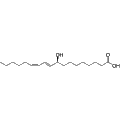
Synonyms: Alpha-dimorphecolic acid
9S-HODE is a potent modulator of miR-361-3p, primarily derived from Linoleic acid. This compound has been shown to reduce cancer cell viability and induce apoptosis in various cancer cell lines. It presents valuable applications in the study of acute myeloid leukemia and may provide insights into therapeutic strategies targeting miRNA regulation in cancer.
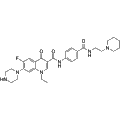
microRNA-21-IN-1 is a potent inhibitor of microRNA-21, demonstrating significant antiproliferative effects in HeLa and HCT-116 cancer cell lines, with IC50 values of 5.5 μM and 2.8 μM, respectively. This compound not only induces apoptosis in HeLa cells but also enhances the expression of key downstream targets of microRNA-21, including PTEN, EGR1, and SLIT2. microRNA-21-IN-1 serves as a valuable tool for investigating potential anticancer therapies and understanding microRNA-mediated regulatory networks.
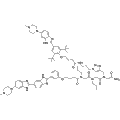
Targaprimir-96 is a selective inhibitor of microRNA-96 (miR-96) processing, designed for applications in cancer research. This compound exhibits high binding affinity for primary miR-96 (pri-miR-96) and effectively modulates miR-96 levels in cancer cells, resulting in the induction of apoptosis. Targaprimir-96 specifically targets pri-miR-96 in breast cancer cells, demonstrating significant efficacy while sparing healthy breast tissue.
TGP-377 is a potent miR-377 inhibitor that specifically enhances the expression of vascular endothelial growth factor A (VEGFA) by targeting the non-coding microRNA involved in its regulation. This compound is valuable for research applications focusing on angiogenesis, cancer progression, and cardiovascular diseases. By modulating miR-377 activity, TGP-377 presents a critical tool for understanding the role of microRNAs in various biological processes and therapeutic interventions.
Out of stock
All 3 sizes
LIN28 inhibitor LI71 enantiomer is the less active enantiomer of the LIN28 inhibitor LI71, which targets the LIN28:let-7 binding interaction with an IC50 of 7 μM. This compound effectively disrupts LIN28-mediated oligouridylation of let-7 precursors, with an IC50 value of 27 μM. The LI71 enantiomer holds potential for applications in LIN28-driven cancer research and may inhibit interactions involving cold shock protein of Plasmodium falciparum (PfCoSP), showing effects on DNA and α/β tubulin, thereby demonstrating its utility in malaria studies.
Synonyms: RGLS8429; RG1015
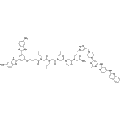
Farabursen is a selective inhibitor of miR-17, designed to penetrate the blood-brain barrier. This compound effectively derepresses the target genes Pkd1 and Pkd2, leading to enhanced levels of polycystin-1 (PC1) and polycystin-2 (PC2), while simultaneously reducing cyst growth. In preclinical mouse models, Farabursen has been demonstrated to decrease renal cyst growth, lower kidney weight-to-body weight ratio, reduce cyst and proliferation indices, and decrease blood urea nitrogen levels. This reagent is valuable for research focused on autosomal dominant polycystic kidney disease.
Synonyms: RGLS8429 sodium; RG1015 sodium
Farabursen sodium is a selective inhibitor of the microRNA-17 family. By effectively inhibiting the functionality of miR-17, it enhances the expression of target genes such as PKD1 and PKD2, leading to increased levels of polycystin-1 and -2 (PC1/2). This compound demonstrates significant potential in attenuating the growth of renal cysts and reducing kidney weight-to-body weight ratios, making it valuable for research into autosomal dominant polycystic kidney disease.
Synonyms: RG4326
RGLS4326 is a first-in-class, short oligonucleotide designed to inhibit microRNA-17 (miR-17). This reagent effectively inhibits miR-17 function in HeLa cells, exhibiting an EC50 of 28.3 nM. RGLS4326 is primarily utilized in research focused on autosomal dominant polycystic kidney disease (ADPKD), making it a valuable tool for understanding the role of miR-17 in disease mechanisms.
PIN1 inhibitor API-1 is a selective inhibitor of the peptidyl-prolyl cis-trans isomerase NIMA-interacting 1 (Pin1) with an IC50 of 72.3 nM. By binding specifically to the PPIase domain of Pin1, API-1 effectively inhibits its isomerizing activity. This compound stabilizes the active conformation of pXPO5, enhancing its function in transporting pre-miRNAs from the nucleus to the cytoplasm. Consequently, PIN1 inhibitor API-1 promotes the biogenesis of anticancer microRNAs, demonstrating potential in suppressing hepatocellular carcinoma in both in vitro and in vivo models.
Synonyms: MRG-106 sodium
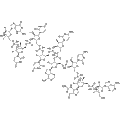
Cobomarsen sodium is a targeted miR-155 inhibitor that modulates various signaling pathways, including JAK/STAT, MAPK/ERK, and PI3K/AKT, contributing to the regulation of cell survival. This oligonucleotide is primarily employed in research focused on B-cell lymphoma, enabling insights into the molecular mechanisms of this malignancy and potential therapeutic strategies.
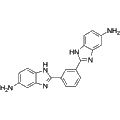
microRNA-21-IN-2 is an effective inhibitor of microRNA-21, demonstrating an AC50 value of 3.29 μM. This compound facilitates the modulation of miR-21 activity, making it a valuable tool for investigating its role in oncogenesis. It is particularly relevant for cancer research, providing insights into the underlying mechanisms of miR-21 in tumor biology.
Synonyms: Targapre-miR-377/421
TGP-377/421 is a potent inhibitor targeting miR-377 and miR-421 by binding to a functional site in both microRNAs. This reagent is essential for studies investigating the role of these miRNAs in various biological processes, including cancer progression and cellular differentiation. Its application in research may provide insights into the regulatory functions of miR-377 and miR-421 and aid in the development of therapeutic strategies targeting these microRNAs.
Synonyms: MRG-106
Cobomarsen is an oligonucleotide inhibitor targeting miR-155. This compound modulates various signaling pathways associated with cell survival, including the JAK/STAT, MAPK/ERK, and PI3K/AKT pathways. Cobomarsen is primarily utilized in research focused on B-cell lymphoma, providing insights into miRNA-mediated gene regulation and potential therapeutic approaches.
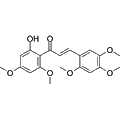
Rubone is a chalcone analog that functions as a modulator of miR-34a, promoting its expression in a p53-dependent manner. This modulation results in the downregulation of key oncogenic targets, including Bcl-2 and Cyclin D1, thereby inhibiting growth in hepatocellular carcinoma (HCC) models. Additionally, Rubone enhances the efficacy of Paclitaxel in resistant prostate cancer cell lines by reversing the expression of miR-34a downstream targets, making it a valuable tool for cancer research applications.