Sphingolipids

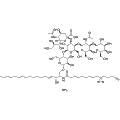
Sphingolipids are membrane lipids built on a sphingoid base, with ceramide as their central intermediate. In cells, serine and palmitoyl-coenzyme A condense into sphingoid bases, which are then N-acylated to ceramides and extended into sphingomyelin and glycosphingolipids. Ceramides of defined chain length are represented by C6 Ceramide, C8-Ceramide and C24:1-Ceramide, which differ in how they partition into membranes. Glycosphingolipids include Cerebroside B, N-Acetylpsychosine and Ganglioside GT1b (bovine) ammonium, a sialylated ganglioside of neuronal membranes. Compounds directed at the biosynthetic enzymes are listed as well, among them the sphingomyelin synthase inhibitor malabaricone C and the sphingosine kinase inhibitor SKI-I.

Items 101-125 of 203

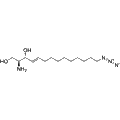
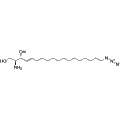
  • Azido sphingosine (d18:1)
    Cat. No.
    A91513

    Azido sphingosine (d18:1)

    Azido sphingosine (d18:1) is a clickable sphingolipid that serves as a valuable tool in lipid research. Its unique azide group facilitates bioorthogonal reactions, enabling studies of sphingolipid metabolism and cell signaling pathways. This compound is useful for applications such as lipid labeling, cellular tracking, and the investigation of sphingolipid-related diseases.

    Out of stock

    All 3 sizes
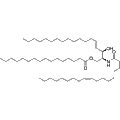
  • 1-O-Acyl Ceramide (d18:1/16:0/16:0)
    Cat. No.
    A91704

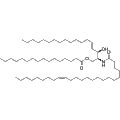
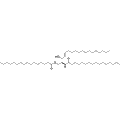
    1-O-Acyl Ceramide (d18:1/16:0/16:0)

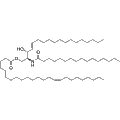
    1-O-Acyl Ceramide (d18:1/16:0/16:0) is a specialized lipid compound that primarily targets lipid bilayers. This ceramide variant is integral to maintaining the barrier function of lipid lamellae, contributing significantly to cellular integrity and signaling processes. Its research applications include studies on skin barrier function, lipid metabolism, and cell signaling pathways associated with various dermatological and systemic conditions.

    Out of stock

    All 3 sizes
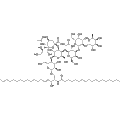
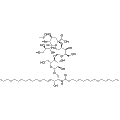
  • Ganglioside GD3 (d18:1/12:0)
    Cat. No.
    A91777

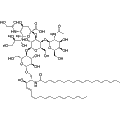
    Ganglioside GD3 (d18:1/12:0)

    Ganglioside GD3 (d18:1/12:0) is a glycosphingolipid characterized by its sphingosine base (d18:1) and lauric acid fatty acid (12:0). This compound is an essential intermediate in the biosynthesis of gangliosides, predominantly located in mammalian brain tissues. Ganglioside GD3 (d18:1/12:0) is implicated in crucial biological processes, including cellular development, signal transduction, and the etiology of various diseases. Its role in these pathways makes it a valuable reagent for research applications focused on neurobiology and glycosphingolipid metabolism.

    1 mg
    $670.00
    5 mg
    $1,715.00
    All 2 sizes
  • C18:0 Fuc-GM1 Ceramide (d18:1/18:0)
    Cat. No.
    A91787

    C18:0 Fuc-GM1 Ceramide (d18:1/18:0)

    C18:0 Fuc-GM1 Ceramide (d18:1/18:0) is a glycosphingolipid that serves as a crucial component in the synthesis of lipid nanoparticles. Its primary mechanism involves targeting ganglioside receptors, which are implicated in various cellular processes. This reagent is valuable for applications in drug delivery systems and exploring cell signaling pathways influenced by gangliosides.

    Out of stock

    All 3 sizes
  • Azido sphingosine (d14:1)
    Cat. No.
    A91791

    Azido sphingosine (d14:1)

    Azido sphingosine (d14:1) is a clickable sphingolipid featuring an azide functional group that enables its use in click chemistry reactions. This compound serves as a valuable tool for studying sphingolipid biology, facilitating the labeling and imaging of cellular membranes as well as the investigation of sphingolipid interactions and pathways. Its utility in bioconjugation makes it an essential reagent for researchers exploring lipid metabolism and cell signaling mechanisms.

    Out of stock

    All 3 sizes
  • 1-O-Acyl ceramide (d18:1/18:1/16:0)
    Cat. No.
    A91845

    1-O-Acyl ceramide (d18:1/18:1/16:0)

    1-O-Acyl ceramide (d18:1/18:1/16:0) is a lipid compound belonging to the class of 1-O-Acyl-ceramides. It is integral to maintaining the integrity of the lipid lamellae, essential for effective barrier function in biological membranes. This reagent is useful in research related to lipid metabolism, skin barrier dysfunction, and various dermatological studies.

    Out of stock

    All 3 sizes
  • 1-O-Acyl ceramide (d18:1/24:1/18:1)
    Cat. No.
    A91847

    1-O-Acyl ceramide (d18:1/24:1/18:1)

    1-O-Acyl ceramide (d18:1/24:1/18:1) serves as a lipid molecule involved in the maintenance of cellular barrier functions. By contributing to the structure and stability of lipid lamellae, this compound is critical for understanding skin permeability and moisture retention. Its applications span studies of skin physiology, lipid metabolism, and the development of therapeutic agents for skin disorders.

    Out of stock

    All 3 sizes
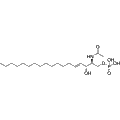
  • C2 Ceramide-1-phosphate
    Cat. No.
    A91902

    C2 Ceramide-1-phosphate

    C2 Ceramide-1-phosphate is a phospholipid that plays a crucial role in cellular signaling and membrane dynamics. Due to its excellent biocompatibility and amphiphilic properties, it serves as an effective excipient in drug formulations, enhancing therapeutic efficacy. This compound is particularly valuable in drug delivery research, facilitating the development of novel therapeutic strategies.

    1 mg
    $300.00
    All 1 sizes
  • C23 Glucosyl(β) ceramide (d18:1/23:0)
    Cat. No.
    A91973

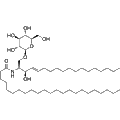
    C23 Glucosyl(β) ceramide (d18:1/23:0)

    C23 Glucosyl(β) ceramide (d18:1/23:0) is a β-glucosyl ceramide that primarily targets ceramide metabolic pathways. It plays a significant role in cell signaling and membrane dynamics. This compound is utilized in research applications focused on sphingolipid metabolism, cellular stress responses, and neurobiology, providing insights into various physiological and pathological processes.

    Out of stock

    All 3 sizes
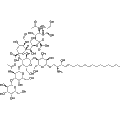
  • C18:0 GM2(Neu5Gc) Ceramide (d18:1/18:0)
    Cat. No.
    A92005

    C18:0 GM2(Neu5Gc) Ceramide (d18:1/18:0)

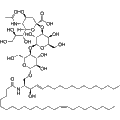
    C18:0 GM2(Neu5Gc) Ceramide (d18:1/18:0) is a sphingolipid that targets cellular lipid metabolism. This compound plays a crucial role in cell signaling and membrane dynamics, making it valuable for studies on neuronal function and lipid-related disorders. It is particularly relevant in research applications focusing on neurobiology and glycosphingolipid metabolism.

    Out of stock

    All 3 sizes
  • C24:1 GB3 Ceramide (d18:1/24:1)
    Cat. No.
    A92027

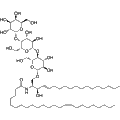
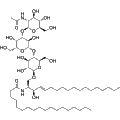
    C24:1 GB3 Ceramide (d18:1/24:1)

    C24:1 GB3 Ceramide (d18:1/24:1) is a globoside that serves as a key component in lipid-based drug delivery systems. It plays a crucial role in the formulation of lipid nanoparticles, which enhance the efficacy and stability of therapeutic agents. This reagent is valuable for researchers exploring lipid-mediated transport mechanisms and developing innovative drug delivery strategies.

    Out of stock

    All 3 sizes
  • 1-O-Acyl Ceramide (d18:1/24:1/16:0)
    Cat. No.
    A92051

    1-O-Acyl Ceramide (d18:1/24:1/16:0)

    1-O-Acyl Ceramide (d18:1/24:1/16:0) targets lipid metabolism and plays a crucial role in maintaining the barrier function of the lipid lamellae. This compound is essential for studying lipid bilayer integrity and cellular signaling processes related to skin barrier function. Its application in research includes investigating the molecular mechanisms of skin diseases and evaluating therapeutic strategies for barrier dysfunction.

    Out of stock

    All 3 sizes
  • 1-O-Acyl ceramide (d18:1/16:0/24:1)
    Cat. No.
    A92054

    1-O-Acyl ceramide (d18:1/16:0/24:1)

    1-O-Acyl ceramide (d18:1/16:0/24:1) is a type of 1-O-Acyl-ceramide that serves as a critical component in the lipid bilayer, significantly influencing barrier function within cell membranes. This compound is vital for studying lipid metabolism and cellular signaling pathways, particularly regarding skin barrier function and lipid regulation. Its unique acyl chain composition makes it suitable for various biochemical research applications in dermatology and cell biology.

    Out of stock

    All 3 sizes
  • IG8
    Cat. No.
    A92088

    IG8

    IG8 is a bioactive ceramide that targets lipid metabolism. This compound plays a critical role in modulating cell signaling pathways associated with cellular stress responses and inflammation. It is utilized in research applications focused on studying lipid-mediated cellular processes and exploring potential therapeutic interventions in metabolic disorders.

    Out of stock

    All 3 sizes
  • C6(6-Azido) LacCer
    Cat. No.
    A92327

    C6(6-Azido) LacCer

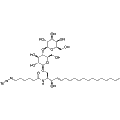
    C6(6-Azido) LacCer is a clickable sphingolipid that incorporates an azido group for bioorthogonal labeling. This compound is designed for studies on lipid metabolism and cellular signaling, allowing researchers to investigate the role of sphingolipids in cellular processes. Its unique structure facilitates in vivo imaging and tracking of lipid interactions within biological systems. C6(6-Azido) LacCer serves as a valuable tool for lipid-related research and assay development.

    Out of stock

    All 3 sizes
  • C24:1 GM3 Ceramide (d18:1/24:1)
    Cat. No.
    A92354

    C24:1 GM3 Ceramide (d18:1/24:1)

    C24:1 GM3 Ceramide (d18:1/24:1) is a sphingolipid that serves as a crucial component in the formation of lipid nanoparticles for drug delivery applications. This compound plays a significant role in modulating cellular signaling pathways and is instrumental in membrane dynamics. It is commonly utilized in research focused on drug formulation, nanomedicine, and the study of lipid-based delivery systems.

    Out of stock

    All 3 sizes
  • Photoclick C6 ceramide
    Cat. No.
    A92361

    Photoclick C6 ceramide

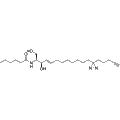
    Photoclick C6 ceramide is a clickable sphingolipid that serves as a valuable tool for studying lipid interactions and membrane dynamics. This compound facilitates bioorthogonal labeling and imaging applications, enabling researchers to investigate cellular processes involving ceramide metabolism and function. Its unique chemical properties make it suitable for applications in lipid research and cellular biology.

    Out of stock

    All 3 sizes
  • Photoclick GM1 ammonium
    Cat. No.
    A92566

    Photoclick GM1 ammonium

    Photoclick GM1 ammonium is a clickable sphingolipid targeting lipid synthesis and cellular membrane dynamics. It facilitates the incorporation of bioorthogonal functional groups into sphingolipid structures, enabling advanced studies in cellular signaling, membrane composition, and lipid interaction. This reagent is suitable for applications in cell biology, biochemical assays, and the development of lipid-based therapeutics.

    Out of stock

    All 3 sizes
  • Photoclick sphingosine-1-phosphate
    Cat. No.
    A92637

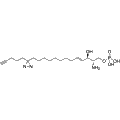
    Photoclick sphingosine-1-phosphate

    Photoclick Sphingosine-1-Phosphate is a clickable sphingolipid designed for use in click chemistry applications. This reagent allows for the selective labeling and modification of sphingolipids, facilitating the study of their biological functions and interactions in cellular systems. Its versatility makes it an important tool for researchers investigating lipid signaling pathways and cellular processes related to sphingolipid metabolism.

    Out of stock

    All 3 sizes
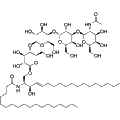
  • C18:0 Lc3 Ceramide (d18:1/18:0)
    Cat. No.
    A92686

    C18:0 Lc3 Ceramide (d18:1/18:0)

    C18:0 Lc3 Ceramide (d18:1/18:0) is a lipid molecule belonging to the ceramide family, primarily involved in cellular signaling and membrane structure. This compound plays a critical role in regulating apoptosis and inflammation. It is widely utilized in research applications focused on lipid metabolism, cell signaling pathways, and the study of neurodegenerative diseases.

    Out of stock

    All 3 sizes
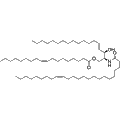
  • C18:0 GM1(Neu5Gc) Ceramide (d18:1/18:0)
    Cat. No.
    A92796

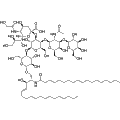
    C18:0 GM1(Neu5Gc) Ceramide (d18:1/18:0)

    C18:0 GM1(Neu5Gc) Ceramide (d18:1/18:0) is a ganglioside that plays a crucial role in cellular signaling and membrane dynamics. This sphingolipid is involved in important biological processes, including neuronal differentiation and cell-cell communication. Its study is essential for understanding neurobiology and associated disorders, as well as for exploring potential therapeutic avenues in lipid metabolism and cellular physiology.

    Out of stock

    All 3 sizes
  • C18:0 GB4 Ceramide (d18:1/18:0)
    Cat. No.
    A92945

    C18:0 GB4 Ceramide (d18:1/18:0)

    C18:0 GB4 Ceramide (d18:1/18:0) is a sphingolipid that plays a crucial role in cellular signaling and membrane structure. This compound is involved in modulating various biological processes, including cell proliferation and apoptosis. Research applications encompass the study of sphingolipid metabolism and its implications in disease states such as cancer and neurodegenerative disorders.

    Out of stock

    All 3 sizes
  • GD1b Sphingosine (d18:1)
    Cat. No.
    A92992

    GD1b Sphingosine (d18:1)

    GD1b Sphingosine (d18:1) serves as a key precursor in the biosynthesis of the GD1b ganglioside. This sphingolipid plays a critical role in cellular signaling and membrane stability. Its study is essential in research focused on neurobiology, glycosphingolipid metabolism, and ganglioside-related diseases. Researchers utilize GD1b Sphingosine (d18:1) to investigate its biological effects and potential therapeutic applications.

    Out of stock

    All 3 sizes
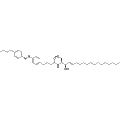
  • Ace-1
    Cat. No.
    A93376

    Ace-1

    Ace-1 is a ceramide derivative featuring an azobenzene moiety, enabling optical control of the N-acyl chain. This compound exhibits the ability to reversibly switch lipid domains in raft-like bilayer membranes. Ace-1 is valuable for research applications exploring lipid membrane dynamics and the role of ceramides in cellular signaling.

    Out of stock

    All 3 sizes
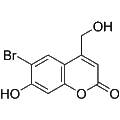
  • 6-Bromo-7-hydroxy-4-(hydroxymethyl)coumarin
    Cat. No.
    A93620

    6-Bromo-7-hydroxy-4-(hydroxymethyl)coumarin

    6-Bromo-7-hydroxy-4-(hydroxymethyl)coumarin is a photolabile compound that targets ceramide, facilitating the controlled release of active ceramides upon light exposure. This reagent is valuable for research applications focused on precise drug delivery and the spatiotemporal dynamics of ceramide-related processes in biological systems. Its light-activated mechanism allows for targeted exploration of ceramide functions in cellular contexts, making it a significant tool for chemical biology studies.

    Out of stock

    All 3 sizes
Items 101-125 of 203

Added to your cart

View Cart Checkout

    Loading...