Sphingolipids

Sphingolipids are membrane lipids built on a sphingoid base, with ceramide as their central intermediate. In cells, serine and palmitoyl-coenzyme A condense into sphingoid bases, which are then N-acylated to ceramides and extended into sphingomyelin and glycosphingolipids. Ceramides of defined chain length are represented by C6 Ceramide, C8-Ceramide and C24:1-Ceramide, which differ in how they partition into membranes. Glycosphingolipids include Cerebroside B, N-Acetylpsychosine and Ganglioside GT1b (bovine) ammonium, a sialylated ganglioside of neuronal membranes. Compounds directed at the biosynthetic enzymes are listed as well, among them the sphingomyelin synthase inhibitor malabaricone C and the sphingosine kinase inhibitor SKI-I.

Items 51-75 of 203

  • C2 L-threo Ceramide (d18:1/2:0)
    Cat. No.
    A74418

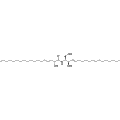
    C2 L-threo Ceramide (d18:1/2:0)

    Synonyms: L-threo Cer(d18:1/2:0); L-threo Ceramide (d18:1/2:0); N-acetyl-L-threo-Sphingosine

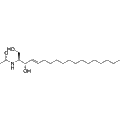
    C2 L-threo Ceramide (d18:1/2:0) is a bioactive sphingolipid that acts as a cell-permeable analog of natural ceramides. It is known to stimulate cholesterol efflux in CHO cells expressing the human ABCA1 receptor at a concentration of 10 μM, although the effect is 50% less than that of C2 ceramide. Additionally, it inhibits IL-4 production by 17% in EL4 T cells when stimulated with phorbol 12-myristate 13-acetate at the same concentration. C2 L-threo Ceramide also induces cell cycle arrest in the G0/G1 phase and significantly increases sphingosine accumulation, demonstrating growth inhibition in HL-60 leukemia cells.

    1 mg
    $220.00
    All 1 sizes
  • C18 ((±)-2'-Hydroxy) ceramide (d18:1/18:0)
    Cat. No.
    A74494

    C18 ((±)-2'-Hydroxy) ceramide (d18:1/18:0)

    Synonyms: ((±)-2'-Hydroxy) cer(d18:1/18:0); 18:0 (2R/S-OH)-Ceramide; ((±)-2'-Hydroxy) ceramide (d18:1/18:0)

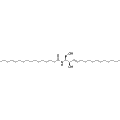
    C18 ((±)-2'-Hydroxy) ceramide (d18:1/18:0) is a bioactive sphingolipid that plays a critical role in maintaining epidermal barrier function and hydration. This compound is an essential component of the stratum corneum in mammalian skin, contributing to skin homeostasis and protection against environmental stressors. C18 ((±)-2'-Hydroxy) ceramide is employed in research applications aimed at studying skin physiology, barrier dysfunction, and related dermatological conditions.

    1 mg
    $205.00
    5 mg
    $525.00
    All 2 sizes
  • C22-Ceramide
    Cat. No.
    A75959

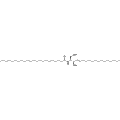
    C22-Ceramide

    Synonyms: N-Behenoyl-D-erythro-sphingosine; Cer d18:1/22:0

    C22-Ceramide is an endogenous bioactive sphingolipid that targets the sphingolipid signaling pathway. This compound has been shown to reduce the formation of C16-ceramide channels in isolated rat liver mitochondria and liposomes, indicating its role in mitochondrial function regulation. C22-Ceramide is valuable for research in cellular signaling, metabolism, and the study of lipid-mediated cellular processes.

    1 mg
    $25.00
    5 mg
    $80.00
    All 6 sizes
  • GlcCer (d18:1/18:0)
    Cat. No.
    A76018

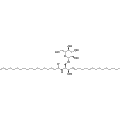
    GlcCer (d18:1/18:0)

    Synonyms: C18 Glucosyl(β) ceramide (d18:1/18:0); D-glucosyl-β-1,1' N-stearoyl-D-erythro-sphingosine

    GlcCer (d18:1/18:0), also known as C18 Glucosyl(β) ceramide (d18:1/18:0), is a glycosphingolipid involved in various cellular functions. This compound has been implicated in the pathophysiology of neurodegenerative diseases, particularly Parkinson's disease and dementia with Lewy bodies. Researchers utilize GlcCer (d18:1/18:0) to investigate its biological activities and potential therapeutic applications in these conditions.

    1 mg
    $235.00
    5 mg
    $605.00
    All 4 sizes
  • Ceramide 1-phosphate
    Cat. No.
    A76061

    Ceramide 1-phosphate

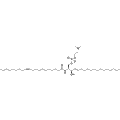
    Ceramide 1-phosphate is a bioactive lipid that functions as a crucial component of sphingolipids. It plays significant roles in various cellular processes including cell differentiation, migration, proliferation, and apoptosis. Its involvement in these fundamental biological activities makes Ceramide 1-phosphate valuable for research applications related to cell signaling, inflammatory responses, and tissue development.

    1 mg
    $635.00
    All 1 sizes
  • C23 Phytoceramide
    Cat. No.
    A76134

    C23 Phytoceramide

    C23 Phytoceramide is a long-chain sphingolipid that serves as a key structural component in cellular membranes. It is primarily involved in maintaining membrane integrity and modulating cell signaling pathways. This compound is useful for research applications focused on sphingolipid metabolism, skin barrier function, and cellular response mechanisms. Researchers may leverage C23 Phytoceramide to explore its role in various biological processes and potential therapeutic applications.

    1 mg
    $80.00
    All 1 sizes
  • C20 Sphingomyelin (d18:1/20:1)
    Cat. No.
    A76178

    C20 Sphingomyelin (d18:1/20:1)

    C20 Sphingomyelin (d18:1/20:1) is a sphingomyelin moiety that plays a crucial role in cellular membrane structure and function. Alterations in C20 sphingomyelin levels are linked to neurodegenerative disorders, including amyotrophic lateral sclerosis and primary lateral sclerosis. This reagent is valuable for research applications focused on sphingolipid metabolism, neurobiology, and the pathophysiology of neurodegenerative diseases.

    Out of stock

    All 3 sizes
  • C8 PEG750 Ceramide
    Cat. No.
    A76224

    C8 PEG750 Ceramide

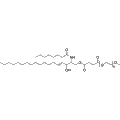
    C8 PEG750 Ceramide is a lipid compound designed to facilitate the formation of lipid bilayer carriers. It enables the selective delivery of diagnostic and therapeutic agents to acidic diseased cells, making it a valuable tool in targeted drug delivery applications. This compound is particularly useful in research focusing on the treatment and diagnosis of conditions characterized by altered cellular environments.

    1 mg
    $225.00
    5 mg
    $460.00
    All 2 sizes
  • C16 Ceramide (d16:1,C16:0)
    Cat. No.
    A76404

    C16 Ceramide (d16:1,C16:0)

    C16 Ceramide (d16:1,C16:0) is a bioactive sphingolipid known for its ability to induce ordered- and gel-phase formation, enhancing thermal stability in palmitoylsphingomyelin-rich domains within palmitoylphosphocholine (POPC) bilayers. This compound is significant in studying membrane dynamics and cellular signaling pathways, and it is present in sphingomyelins found in human erythrocytes. C16 Ceramide is applicable in research focused on lipid biology and the role of sphingolipids in cellular processes.

    0.5 mg
    $490.00
    1 mg
    $780.00
    All 2 sizes
  • SH-BC-893
    Cat. No.
    A76679

    SH-BC-893

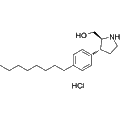
    SH-BC-893 is an orally active sphingolipid analog targeting cellular lipid metabolism. It exhibits anti-neoplastic properties and protects against ceramide-induced mitochondrial dysfunction, making it a valuable tool for investigating mechanisms of cancer and obesity. Research applications include studying its effects on metabolic regulation and potential therapeutic benefits in cancer treatment and obesity management.

    1 mg
    $465.00
    5 mg
    $1,025.00
    All 6 sizes
  • C24-Ceramide (d18:1/24:0)
    Cat. No.
    A87173

    C24-Ceramide (d18:1/24:0)

    C24-Ceramide (d18:1/24:0) is a sphingolipid that plays a crucial role in the structure and function of lipid membranes. This compound is known to induce time-dependent alterations in membrane properties, leading to reorganization of lipid membranes. C24-Ceramide (d18:1/24:0) is widely utilized in research applications focused on cell signaling, membrane dynamics, and the role of sphingolipids in various cellular processes.

    1 mg
    $190.00
    5 mg
    $545.00
    All 2 sizes
  • N-Palmitoyldihydrosphingomyelin
    Cat. No.
    A88559

    N-Palmitoyldihydrosphingomyelin

    Synonyms: 16:0 Dihydro SM (d18:0/16:0)

    N-Palmitoyldihydrosphingomyelin is a dihydrosphingomyelin specifically composed of a palmitoyl fatty acid. It primarily targets cellular lipid membranes, influencing membrane structure and fluidity. This compound is utilized in research applications focused on membrane biophysics, lipid metabolism, and cell signaling processes associated with sphingolipid pathways. Its structural characteristics make it a valuable tool for studying the roles of sphingomyelins in cellular function and disease.

    5 mg
    $470.00
    All 1 sizes
  • C20 Galactosyl(ß) ceramide (d18:1/20:0)
    Cat. No.
    A88665

    C20 Galactosyl(ß) ceramide (d18:1/20:0)

    C20 Galactosyl(β) ceramide (d18:1/20:0) is a ceramide derivative that primarily targets glycosphingolipid metabolism. This compound exhibits key biological activity by modulating cellular signaling pathways involved in cell differentiation and neuroprotection. It is useful in research applications focusing on neurobiology, lipid metabolism disorders, and cell membrane dynamics.

    1 mg
    $1,350.00
    All 1 sizes
  • C20 Glucosyl(β) ceramide (d18:1/20:0)
    Cat. No.
    A88750

    C20 Glucosyl(β) ceramide (d18:1/20:0)

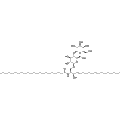
    C20 Glucosyl(β) ceramide (d18:1/20:0) is a β-glucosyl ceramide that primarily targets lipid metabolism pathways. This compound is involved in various biological processes, including membrane dynamics and signaling. It is commonly used in research applications focused on sphingolipid metabolism, cellular signaling, and neurobiology. Its role in cellular health makes it a valuable tool for studying lipid-related diseases and potential therapeutic approaches.

    1 mg
    $370.00
    All 1 sizes
  • 16:0 Propargyl SM (d18:1-16:0)
    Cat. No.
    A89049

    16:0 Propargyl SM (d18:1-16:0)

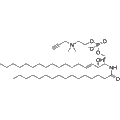
    16:0 Propargyl SM (d18:1-16:0) is a clickable sphingolipid that incorporates a propargyl group for efficient bioorthogonal labeling. This compound is designed for studies involving lipid metabolism, cell signaling, and membrane biology. Its unique structure enables researchers to investigate the roles of sphingolipids in various biological processes and disease states through labeling and tracking experiments.

    1 mg
    $870.00
    All 1 sizes
  • Lc2Cer(d18:1, 22:0)
    Cat. No.
    A89539

    Lc2Cer(d18:1, 22:0)

    Lc2Cer(d18:1, 22:0) is a lactosylceramide composed of d18:1 and C22:0 ceramide chains, primarily targeting cellular lipid metabolism. This compound is utilized in studies related to renal cortical epithelial cells, facilitating research into lipid-mediated signaling pathways and their roles in kidney function and disease. Its unique structure allows for investigation into the biological implications of glycosphingolipid involvement in cellular processes.

    1 mg
    $320.00
    5 mg
    $740.00
    All 2 sizes
  • C18:0 GD2 Ceramide (d18:1/18:0)
    Cat. No.
    A89704

    C18:0 GD2 Ceramide (d18:1/18:0)

    C18:0 GD2 Ceramide (d18:1/18:0) is a specific ganglioside that targets lipid metabolism and cellular signaling pathways. It plays a vital role in modulating cell growth, differentiation, and apoptosis. This compound is useful in studying neurobiology and cancer research, particularly in understanding the role of gangliosides in tumor progression and neuronal function.

    Out of stock

    All 3 sizes
  • C12 Sphingosyl PE (d17:1/12:0)
    Cat. No.
    A89872

    C12 Sphingosyl PE (d17:1/12:0)

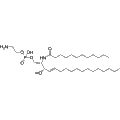
    C12 Sphingosyl PE (d17:1/12:0) is a phosphosphingolipid that plays a significant role in cellular membrane structure and signaling pathways. It is involved in various biological activities, including modulation of apoptosis and cell proliferation. This compound is ideal for research applications focusing on lipid biology, membrane dynamics, and the study of sphingolipid metabolism.

    Out of stock

    All 3 sizes
  • GM2 Sphingosine (d18:1)
    Cat. No.
    A89875

    GM2 Sphingosine (d18:1)

    GM2 Sphingosine (d18:1) is a bioactive lipid that serves as a crucial precursor in the biosynthesis of GM3 ganglioside. This compound is essential for various cellular functions, including cell signaling and membrane stability. Its study is relevant in the context of neurological research and ganglioside metabolism, making it a valuable reagent for investigations into neurodegenerative diseases and lipid biology.

    Out of stock

    All 3 sizes
  • C18:0 Lc4 Ceramide (d18:1/18:0)
    Cat. No.
    A89897

    C18:0 Lc4 Ceramide (d18:1/18:0)

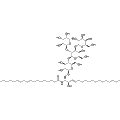
    C18:0 Lc4 Ceramide (d18:1/18:0) is a sphingolipid that primarily targets gangliosides. It plays a crucial role in cell membrane structure and function, particularly in neuronal tissues. This ceramide derivative is valuable for studying cellular signaling pathways, neurobiology, and lipid metabolism, making it a key reagent in biochemical and pharmacological research.

    Out of stock

    All 3 sizes
  • Lyso-SM-509
    Cat. No.
    A90030

    Lyso-SM-509

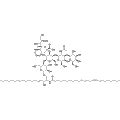
    Lyso-SM-509 is a sphingomyelin derivative that serves as a critical biomarker for Niemann-Pick disease Type C. Its primary mechanism involves the modulation of lipid metabolism and sphingolipid pathways, which are pivotal in cellular signaling and membrane integrity. This compound is invaluable for research in lysosomal storage disorders and lipid-related pathologies, facilitating the understanding of disease mechanisms and potential therapeutic targets.

    5 mg
    $435.00
    25 mg
    $1,905.00
    All 3 sizes
  • GM1 Sphingosine (d18:1)
    Cat. No.
    A90097

    GM1 Sphingosine (d18:1)

    GM1 Sphingosine (d18:1) is a bioactive lipid that serves as a key precursor in the biosynthesis of GM1 ganglioside. This compound is essential for the study of ganglioside metabolism and its implications in cellular signaling, neurobiology, and membrane dynamics. GM1 Sphingosine (d18:1) can be utilized in research focusing on neuronal function, ganglioside-related diseases, and lipid-protein interactions.

    Out of stock

    All 3 sizes
  • C24:1 Ganglioside GM1 (d18:1/24:1)
    Cat. No.
    A90140

    C24:1 Ganglioside GM1 (d18:1/24:1)

    Synonyms: C24:1-GM1

    C24:1 Ganglioside GM1 (d18:1/24:1) targets gangliosides and is a monosialylated form that incorporates nervonic acid. This unique structural feature allows it to play a significant role in cellular recognition, signal transduction, and neuronal activity. It is valuable for research applications related to neurobiology, cell membrane dynamics, and the study of ganglioside-related diseases.

    Out of stock

    All 3 sizes
  • C6(6-Azido) GalCer
    Cat. No.
    A90175

    C6(6-Azido) GalCer

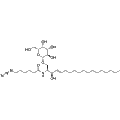
    C6(6-Azido) GalCer is a modified sphingolipid featuring a clickable azide functional group. This compound is valuable for studying lipid interactions and dynamics, as it can be conjugated to various biomolecules for probing cellular processes. Its unique structure facilitates applications in lipid biochemistry, cell membrane studies, and development of targeted drug delivery systems.

    Out of stock

    All 3 sizes
  • C18:0 B Antigen ceramide (d18:1/18:0)
    Cat. No.
    A90190

    C18:0 B Antigen ceramide (d18:1/18:0)

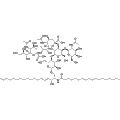
    C18:0 B Antigen ceramide (d18:1/18:0) is a glycosphingolipid that acts as a key component of cellular membranes. This ceramide is involved in various biological processes, including cell signaling and differentiation. Its role in ganglioside metabolism makes it an important reagent for research in neurobiology and immunology, allowing for studies on cellular interactions and signaling pathways.

    Out of stock

    All 3 sizes

Items 51-75 of 203

Added to your cart

View Cart Checkout

    Loading...