Sphingolipids

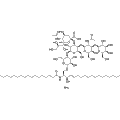
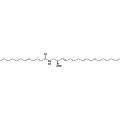
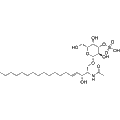
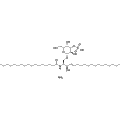
Sphingolipids are membrane lipids built on a sphingoid base, with ceramide as their central intermediate. In cells, serine and palmitoyl-coenzyme A condense into sphingoid bases, which are then N-acylated to ceramides and extended into sphingomyelin and glycosphingolipids. Ceramides of defined chain length are represented by C6 Ceramide, C8-Ceramide and C24:1-Ceramide, which differ in how they partition into membranes. Glycosphingolipids include Cerebroside B, N-Acetylpsychosine and Ganglioside GT1b (bovine) ammonium, a sialylated ganglioside of neuronal membranes. Compounds directed at the biosynthetic enzymes are listed as well, among them the sphingomyelin synthase inhibitor malabaricone C and the sphingosine kinase inhibitor SKI-I.

Items 176-200 of 203

  • 20:0(2S-OH) Ceramide
    Cat. No.
    B20909

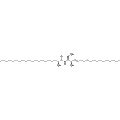
    20:0(2S-OH) Ceramide

    20:0(2S-OH) Ceramide is a lipid characterized by a long-chain sphingolipid structure. This compound plays a crucial role in cellular signaling and membrane integrity. It is primarily utilized in research involving lipid metabolism, cell signaling pathways, and the study of various disease states related to lipid dysregulation.

    Out of stock

    All 3 sizes

  • C24:0 Ceramide (d18:2(4E,8Z)/24:0)
    Cat. No.
    B20910

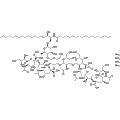
    C24:0 Ceramide (d18:2(4E,8Z)/24:0)

    C24:0 Ceramide (d18:2(4E,8Z)/24:0) is a long-chain sphingolipid that plays a critical role in cell membrane structure and function. Its primary mechanism involves the modulation of various signaling pathways associated with cell growth, differentiation, and apoptosis. C24:0 Ceramide is widely used in lipid research, particularly in studies focused on cell signaling, neurobiology, and metabolic disorders. This compound also serves as a valuable tool for investigating lipid metabolism and the physiological effects of ceramides in various biological contexts.

    Out of stock

    All 3 sizes
  • Ganglioside GQ1b (porcine brain) (tetraammonium)
    Cat. No.
    B20918

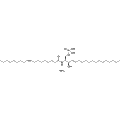
    Ganglioside GQ1b (porcine brain) (tetraammonium)

    Ganglioside GQ1b (porcine brain) (tetraammonium) is a glycosphingolipid that primarily targets lipid structures within cellular membranes. This compound is known to play a critical role in cell signaling and recognition, particularly in the nervous system. Ganglioside GQ1b is widely utilized in research applications involving neurobiology, cellular communication, and the study of ganglioside interactions in various physiological and pathological conditions.

    Out of stock

    All 3 sizes
  • C12 Mono-Sulfo galactosyl(β) ceramide (d18:1/12:0) ammonium
    Cat. No.
    B20919

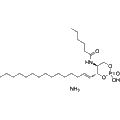
    C12 Mono-Sulfo galactosyl(β) ceramide (d18:1/12:0) ammonium

    C12 Mono-Sulfo galactosyl(β) ceramide (d18:1/12:0) ammonium is a lipid that functions as a critical component in the formation of lipid nanoparticles (LNPs). Its unique structure facilitates effective drug delivery systems that enhance bioavailability and targeting. This reagent is particularly useful in studies related to nanomedicine, vaccine development, and cell membrane interactions.

    Out of stock

    All 3 sizes
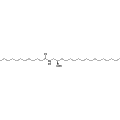
  • 18:0(2S-OH) Ceramide
    Cat. No.
    B20920

    18:0(2S-OH) Ceramide

    18:0(2S-OH) Ceramide is a sphingolipid that acts as a crucial structural component of cellular membranes. This compound exhibits bioactive properties, influencing various cellular processes such as apoptosis, cell differentiation, and inflammation. It is commonly utilized in research applications focused on lipid metabolism, cell signaling, and neurobiology to elucidate the role of ceramides in health and disease.

    Out of stock

    All 3 sizes
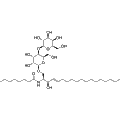
  • 18:0(2R-OH) Ceramide
    Cat. No.
    B20936

    18:0(2R-OH) Ceramide

    18:0(2R-OH) Ceramide is a bioactive lipid characterized by its ceramide structure. It plays a crucial role in cell signaling, apoptosis, and the regulation of cellular stress responses. This compound is valuable for research applications involving sphingolipid metabolism, cellular signaling pathways, and studies on neurodegenerative diseases.

    Out of stock

    All 3 sizes
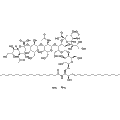
  • N-C24:1-Desoxymethylsphingosine
    Cat. No.
    B20985

    N-C24:1-Desoxymethylsphingosine

    N-C24:1-Desoxymethylsphingosine is a specialized lipid with potential application in the formulation of lipid nanoparticles (LNPs) for drug delivery. This compound plays a critical role in enhancing the stability and efficacy of therapeutic agents when delivered via LNPs. Its unique structure may also facilitate cellular uptake and bioavailability of encapsulated drugs, making it a valuable tool in lipid-based drug delivery research.

    Out of stock

    All 3 sizes
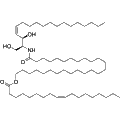
  • C17:0 GM1 ammonium
    Cat. No.
    B20988

    C17:0 GM1 ammonium

    C17:0 GM1 ammonium is a glycosphingolipid that serves as a crucial building block in cellular membranes and plays a role in cell signaling. This compound is primarily utilized in research applications focused on lipid metabolism, cell biology, and neurobiology. Its structural properties contribute to the investigation of glycosphingolipid functions in health and disease, particularly in the context of neurological disorders.

    Out of stock

    All 3 sizes
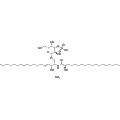
  • N-C12-Desoxymethylsphingosine
    Cat. No.
    B20993

    N-C12-Desoxymethylsphingosine

    N-C12-Desoxymethylsphingosine is a desoxyMeDHCer that targets lipid metabolism pathways. This compound has been identified in mammalian systems and is instrumental in research involving sphingolipid signaling and metabolism. Its unique structure allows for investigations into cellular processes related to apoptosis and inflammation, making it a valuable tool for studies in cancer biology and neurodegenerative diseases.

    Out of stock

    All 3 sizes
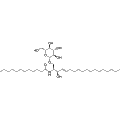
  • C2 3'-Sulfo galactosylceramide (d18:1/2:0)
    Cat. No.
    B20994

    C2 3'-Sulfo galactosylceramide (d18:1/2:0)

    Synonyms: C2 Sulfatide; N-Acetyl sulfatide

    C2 3'-Sulfo galactosylceramide (d18:1/2:0) is a sulfatide, a class of glycosphingolipids characterized by the presence of a sulfate group. This compound is valuable for the quantification of lysosulfatides in biological samples, particularly in mouse brain tissue and plasma. Its application in lipid metabolism studies makes it a useful tool for researchers investigating sulfatide biology and related neurological processes.

    1 mg
    $855.00
    All 1 sizes
  • C17-Mono-sulfo galactosyl(β) ceramide (d18:1/17:0) ammonium
    Cat. No.
    B21001

    C17-Mono-sulfo galactosyl(β) ceramide (d18:1/17:0) ammonium

    C17-Mono-sulfo galactosyl(β) ceramide (d18:1/17:0) ammonium targets lipid structures and serves as an important component in the formulation of lipid nanoparticles (LNPs). This compound exhibits key properties that facilitate efficient drug delivery systems, enhancing the bioavailability and stability of therapeutic agents. Its applications extend to drug development and delivery research, especially in the formulation of RNA-based therapeutics.

    Out of stock

    All 3 sizes
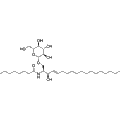
  • N-C24:1-Desoxymethylsphinganine
    Cat. No.
    B21015

    N-C24:1-Desoxymethylsphinganine

    N-C24:1-desoxymethylsphinganine is a potent inhibitor of sphingolipid metabolism, targeting key enzymes involved in the biosynthesis and degradation of sphingolipids. This compound is important for research applications focusing on lipid signaling pathways and their implications in various diseases, including cancer and neurodegeneration. By studying N-C24:1-desoxymethylsphinganine, researchers can gain insights into the role of sphingolipids in cellular processes and therapeutic interventions.

    Out of stock

    All 3 sizes
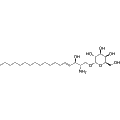
  • C8 Galactosyl(α) ceramide (d18:1/8:0)
    Cat. No.
    B21026

    C8 Galactosyl(α) ceramide (d18:1/8:0)

    C8 Galactosyl(α) ceramide (d18:1/8:0) is a glycosphingolipid that primarily targets cellular membranes. This compound plays a crucial role in various biological processes, including cell recognition and signaling. It is often used in research applications focused on cellular communication, inflammation, and neurobiology.

    Out of stock

    All 3 sizes
  • N-Lignoceroyl-D-erythro-sphingosylphosphorylcholine
    Cat. No.
    B21029

    N-Lignoceroyl-D-erythro-sphingosylphosphorylcholine

    N-Lignoceroyl-D-erythro-sphingosylphosphorylcholine is a phosphosphingolipid that primarily targets lipid membranes. It exhibits key biological activities associated with cellular signaling and membrane dynamics. This compound is useful in research applications focusing on lipid metabolism, osmoregulation, and the role of sphingolipids in various cellular processes. Its unique structure contributes to understanding the complexity of lipid interactions in biological systems.

    Out of stock

    All 3 sizes
  • N-Docosanoyl-D-erythro-sphingosylphosphorylcholine
    Cat. No.
    B21035

    N-Docosanoyl-D-erythro-sphingosylphosphorylcholine

    Synonyms: Sphingomyelin (d18:1 C22:0)

    N-Docosanoyl-D-erythro-sphingosylphosphorylcholine is a sphingolipid that plays a significant role in the plasma lipid profile, particularly following chronic hepatitis C virus infection. Its concentration in plasma is correlated with hepatic steatosis and may serve as an independent biomarker for this condition. This compound can be utilized in research applications focusing on liver diseases and lipid metabolism.

    0.5 mg
    $560.00
    All 1 sizes
  • C18:1 Ceramide-1-phosphate (d18:1/18:1(9Z)) ammonium
    Cat. No.
    B21066

    C18:1 Ceramide-1-phosphate (d18:1/18:1(9Z)) ammonium

    C18:1 Ceramide-1-phosphate (d18:1/18:1(9Z)) ammonium targets the ceramide metabolic pathway, primarily functioning as a bioactive lipid signaling molecule. This compound plays a vital role in regulating various cellular processes, including apoptosis, cell proliferation, and inflammation. Its utilization in research spans areas such as lipid metabolism, neurobiology, and cancer biology, providing insight into ceramide-mediated signaling pathways.

    Out of stock

    All 3 sizes
  • C6 Ceramide-1,3-cyclic-phosphate (d18:1/6:0) ammonium
    Cat. No.
    B21091

    C6 Ceramide-1,3-cyclic-phosphate (d18:1/6:0) ammonium

    C6 Ceramide-1,3-cyclic-phosphate (d18:1/6:0) ammonium is a lipid molecule classified as a ceramide. This compound serves as a signaling lipid, influencing various cellular processes such as apoptosis, inflammation, and cell differentiation. Its unique structure makes it valuable for research investigating lipid metabolism, cellular signaling pathways, and the roles of ceramides in disease mechanisms.

    Out of stock

    All 3 sizes
  • N-C12-Desoxymethylsphinganine
    Cat. No.
    B21099

    N-C12-Desoxymethylsphinganine

    N-C12-Desoxymethylsphinganine is a lipid compound that serves as a structural analog of ceramide. Its primary mechanism involves modulation of sphingolipid metabolism, which plays a critical role in cell signaling and membrane integrity. This reagent is utilized in research applications focused on understanding lipid metabolism, cellular stress responses, and the role of sphingolipids in various biological processes.

    Out of stock

    All 3 sizes
  • LacCer (d18:1/8:0)
    Cat. No.
    B21105

    LacCer (d18:1/8:0)

    LacCer (d18:1/8:0) is a glycosphingolipid that plays a crucial role in cell signaling and membrane structure. It is involved in various biological processes, including cell-cell interactions and lipid raft formation. This compound is valuable for research applications focusing on glycosphingolipid metabolism, cellular communication, and the study of lipid-related diseases.

    Out of stock

    All 3 sizes
  • C18:0 GD1a (d18:1/18:0) diammonium
    Cat. No.
    B21109

    C18:0 GD1a (d18:1/18:0) diammonium

    C18:0 GD1a (d18:1/18:0) diammonium is a glycosphingolipid that primarily targets cell membrane structures involved in cell signaling and recognition processes. This compound exhibits key biological activities related to neuronal development and regeneration, making it valuable for research in neurobiology and cellular communication. Its unique structure allows for targeted investigations into glycosphingolipid functions and interactions within various biological systems.

    Out of stock

    All 3 sizes
  • CER1 (d18:1/26:0/18:1)
    Cat. No.
    B21140

    CER1 (d18:1/26:0/18:1)

    CER1 (d18:1/26:0/18:1) is a ceramide that plays a crucial role in cellular signaling and membrane dynamics. This lipid is involved in various biological processes, including apoptosis, inflammation, and cell differentiation. Research applications include studies on sphingolipid metabolism, signaling pathways, and the development of therapeutic strategies targeting lipid-related diseases.

    Out of stock

    All 3 sizes
  • 18:0 (2R-OH) Sulfo GalCer ammonium
    Cat. No.
    B21145

    18:0 (2R-OH) Sulfo GalCer ammonium

    18:0 (2R-OH) Sulfo GalCer ammonium is a glycosphingolipid that primarily targets lipid metabolism pathways. This compound plays a significant role in cellular signaling and membrane structure, making it valuable for research in cell biology and neurobiology. It is particularly useful in studies investigating the role of glycosphingolipids in disease mechanisms and cellular interactions.

    Out of stock

    All 3 sizes
  • C12 Glucosyl(β) ceramide (d18:1/12:0)
    Cat. No.
    B21147

    C12 Glucosyl(β) ceramide (d18:1/12:0)

    C12 Glucosyl(β) ceramide (d18:1/12:0) is a lipid that serves as a fundamental component in the formulation of lipid nanoparticles (LNPs) for drug delivery applications. Its structural properties facilitate effective encapsulation and delivery of therapeutic agents. This compound is valuable for researchers focusing on nanomedicine and drug formulation studies.

    Out of stock

    All 3 sizes
  • C8-Glucosylceramide
    Cat. No.
    B21158

    C8-Glucosylceramide

    C8-Glucosylceramide is a glycosphingolipid that primarily interacts with lipid membranes, influencing cellular signaling pathways. This compound is crucial for studying the biological roles of glycosphingolipids in cell communication, proliferation, and differentiation. Its applications extend to research on metabolic disorders and signal transduction processes in various cell types.

    Out of stock

    All 3 sizes
  • Galactosylα sphingsosine (d18:1)
    Cat. No.
    B21178

    Galactosylα sphingsosine (d18:1)

    Galactosylα sphingosine (d18:1) is a glycosphingolipid that primarily targets cellular membranes. This compound is involved in various biological processes, including cell signaling and interactions. Its unique structure serves as a vital component in lipid metabolism studies and the exploration of glycosphingolipid roles in cellular functions and diseases. Researchers can utilize Galactosylα sphingosine (d18:1) to investigate its implications in neurobiology, immunology, and developmental biology.

    Out of stock

    All 3 sizes

Items 176-200 of 203

Added to your cart

View Cart Checkout

    Loading...