Carbohydrates & Glycobiology

Carbohydrates for glycobiology research range from sugars and sugar alcohols to amino sugars and polysaccharides. Sugar alcohols such as D-Sorbitol and maltitol are used as osmotic agents, stabilizers and enzyme substrates. Among the sugars, lactulose is a synthetic disaccharide built from galactose and fructose. Glucosamine and its salts represent the amino sugars, which are building blocks of glycosaminoglycans and chitin. Polysaccharides include hyaluronic acid, a glycosaminoglycan of the extracellular matrix, and chitosan, the deacetylated form of chitin. Protected sugars such as D-Xylofuranose, 1,2,3,5-tetraacetate serve as starting materials for nucleoside synthesis. The category belongs to Biochemical Assay Reagents, next to Acyl-CoA & Cofactors and Chelators & Bifunctional Chelators.

Items 276-300 of 1090

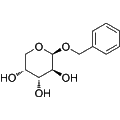
  • Phenylmethyl β-D-arabinopyranoside
    Cat. No.
    A89718

    Phenylmethyl β-D-arabinopyranoside

    Phenylmethyl β-D-arabinopyranoside is a glycosylation reagent that primarily targets carbohydrate structures within glycobiology research. This compound facilitates the study of carbohydrate chemistry and the enzymatic processes involved in glycan synthesis and degradation. Its applications extend to understanding protein-glycan interactions and the biological significance of glycans in various cellular processes, making it an essential tool for research in basic science, biomedicine, and biotechnology.

    25 mg
    $60.00
    50 mg
    $90.00
    All 3 sizes
  • 2-Phthalimidolactosamine,heptaacetate (mixture of isomers)
    Cat. No.
    A89725

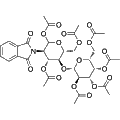
    2-Phthalimidolactosamine,heptaacetate (mixture of isomers)

    2-Phthalimidolactosamine, heptaacetate (mixture of isomers) is a biochemical reagent targeting glycobiology. This compound plays a crucial role in the study of carbohydrate structures, glycan synthesis, and their biological significance, facilitating research into protein-glycan interactions. Applications extend to fundamental research, biotechnology, and biomedical studies, making it an essential tool for exploring the complex roles of glycans in various biological systems.

    Out of stock

    All 3 sizes
  • β-D-Glucopyranosyl 1-thio-β-D-glucopyranoside
    Cat. No.
    A89733

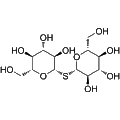
    β-D-Glucopyranosyl 1-thio-β-D-glucopyranoside

    β-D-Glucopyranosyl 1-thio-β-D-glucopyranoside serves as a biochemical reagent targeting glycobiology. It plays a crucial role in the study of glycan structures, their synthesis, and biological functions, facilitating research into carbohydrate chemistry and enzymatic processes related to glycan formation and degradation. This compound is essential for investigating protein-glycan interactions and the broader implications of glycans in various biological systems, making it valuable for applications in basic research, biomedicine, and biotechnology.

    Out of stock

    All 3 sizes
  • 4,6-O-(Phenylmethylene)-D-galactopyranose
    Cat. No.
    A89735

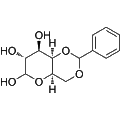
    4,6-O-(Phenylmethylene)-D-galactopyranose

    4,6-O-(Phenylmethylene)-D-galactopyranose serves as a valuable biochemical assay reagent with applications in glycobiology research. This compound functions as a glycosyl donor and is essential for studying glycan interactions and carbohydrate metabolism. Its structural properties make it suitable for exploring the role of carbohydrates in biological processes, facilitating advancements in the understanding of glycan-related functions and diseases.

    Out of stock

    All 3 sizes
  • 2'-Nitrophenyl 2,3-di-O-acetyl-4-O-triethylsilyl-β-D-xylopyranoside
    Cat. No.
    A89736

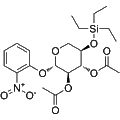
    2'-Nitrophenyl 2,3-di-O-acetyl-4-O-triethylsilyl-β-D-xylopyranoside

    2'-Nitrophenyl 2,3-di-O-acetyl-4-O-triethylsilyl-β-D-xylopyranoside is a biochemical reagent targeting glycobiology applications. This compound facilitates the study of the structure and function of glycans, aiding in research related to carbohydrate chemistry and enzymatic processes involved in glycan formation and degradation. Its use contributes to understanding protein-glycan interactions and the biological roles of sugars, making it valuable for investigations in basic research, biomedicine, and biotechnology.

    Out of stock

    All 3 sizes
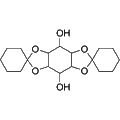
  • 1,2:4,5-Di-O-cyclohexylidene-myo-inositol
    Cat. No.
    A89744

    1,2:4,5-Di-O-cyclohexylidene-myo-inositol

    1,2:4,5-Di-O-cyclohexylidene-myo-inositol is a biochemical reagent that targets glycobiology, specifically the study of carbohydrates' structure and function. This compound is utilized to investigate glycan synthesis, enzymatic processes involved in glycan degradation, and protein-glycan interactions. Its application extends to basic research, biomedicine, and biotechnology, aiding in the understanding of glycan roles in biological systems.

    100 mg
    $40.00
    1 g
    $115.00
    All 3 sizes
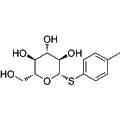
  • 4-Methylphenyl 1-thio-β-D-glucopyranoside
    Cat. No.
    A89745

    4-Methylphenyl 1-thio-β-D-glucopyranoside

    4-Methylphenyl 1-thio-β-D-glucopyranoside is a biochemical reagent utilized in glycobiology investigations. This compound serves as a substrate for glycosyltransferases, facilitating the study of glycan synthesis and protein-glycan interactions. Its application extends to exploring the structural and functional roles of glycans in biological systems, making it valuable for research in basic biology, biomedicine, and biotechnology development.

    100 mg
    $50.00
    250 mg
    $95.00
    All 5 sizes
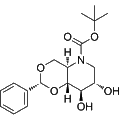
  • 4,6-O-Benzylidene-N-(tert-butoxycarbonyl)-1,5-imino-D-glucitol
    Cat. No.
    A89751

    4,6-O-Benzylidene-N-(tert-butoxycarbonyl)-1,5-imino-D-glucitol

    4,6-O-Benzylidene-N-(tert-butoxycarbonyl)-1,5-imino-D-glucitol is a biochemical reagent targeting glycobiology applications. It plays a crucial role in studying the structure and synthesis of carbohydrates, as well as the enzymatic processes involved in glycan formation and degradation. This compound is valuable for research on protein-glycan interactions and the functional roles of glycans in various biological systems, contributing to advancements in basic research, biomedicine, and biotechnology.

    5 mg
    $225.00
    10 mg
    $375.00
    All 3 sizes
  • N-Acetylglucosaminyltransferase V
    Cat. No.
    A89754

    N-Acetylglucosaminyltransferase V

    Synonyms: MGAT4B

    N-Acetylglucosaminyltransferase V (MGAT4B) is a crucial N-glycan catalytic enzyme that facilitates the synthesis of the β1,6-GlcNAc branch of N-glycans within the Golgi apparatus, utilizing UDP-GlcNAc as a donor substrate. Its activity is significant in the context of cancer malignancy and the pathogenesis of autoimmune diseases. This enzyme serves as a valuable tool for research into glycosylation processes and their implications in various biological systems.

    Out of stock

    All 3 sizes
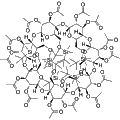
  • Heptakis(6-O-tert-butyldimethylsilyl)-β-cyclodextrin tetradecaacetate
    Cat. No.
    A89758

    Heptakis(6-O-tert-butyldimethylsilyl)-β-cyclodextrin tetradecaacetate

    Heptakis(6-O-tert-butyldimethylsilyl)-β-cyclodextrin tetradecaacetate functions as a biochemical assay reagent with excellent cosolvent properties. This chemically modified cyclodextrin enhances the solubility and bioavailability of various compounds, making it an essential tool in formulation development. It also improves the release characteristics of active substances, facilitating more efficient drug design and evaluation in research applications.

    50 mg
    $170.00
    100 mg
    $265.00
    All 4 sizes
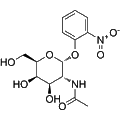
  • 2-Nitrophenyl N-acetyl-α-D-galactosaminide
    Cat. No.
    A89759

    2-Nitrophenyl N-acetyl-α-D-galactosaminide

    Synonyms: O-Nitrophenyl-N-acetyl-A-D-*galactosaminide

    2-Nitrophenyl N-acetyl-α-D-galactosaminide is a biochemical assay reagent primarily targeting glycosidases. This galactose derivative serves as a substrate for enzyme activity studies, facilitating research in glycobiology. Its utilization is essential for understanding carbohydrate metabolism and enzyme specificity in various biological contexts.

    10 mg
    $175.00
    25 mg
    $435.00
    All 3 sizes
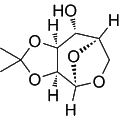
  • 1,6-Anhydro-2,3-O-(1-methylethylidene)-β-D-mannopyranose
    Cat. No.
    A89760

    1,6-Anhydro-2,3-O-(1-methylethylidene)-β-D-mannopyranose

    1,6-Anhydro-2,3-O-(1-methylethylidene)-β-D-mannopyranose is a biochemical reagent utilized in the study of glycobiology. This compound plays a crucial role in examining the structure and synthesis of carbohydrates, as well as their biological functions. Its application spans across research areas including carbohydrate chemistry, enzymatic processes involving glycan formation and degradation, and protein-glycan interactions, making it essential for advancements in biomedicine and biotechnology.

    25 mg
    $45.00
    50 mg
    $60.00
    All 4 sizes
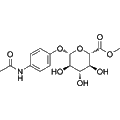
  • β-D-Glucopyranosiduronic acid, 4-(acetylamino)phenyl, methyl ester
    Cat. No.
    A89761

    β-D-Glucopyranosiduronic acid, 4-(acetylamino)phenyl, methyl ester

    β-D-Glucopyranosiduronic acid, 4-(acetylamino)phenyl, methyl ester is a biochemical reagent designed for glycobiology research. It plays a crucial role in studying the structure, function, and dynamics of glycan molecules, including their synthesis and degradation. This compound facilitates investigations into protein-glycan interactions and the biological functions of carbohydrates, making it invaluable for applications in basic research, biomedicine, and biotechnology.

    25 mg
    $80.00
    50 mg
    $115.00
    All 3 sizes
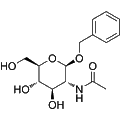
  • Benzyl 2-acetamido-2-deoxy-beta-D-glucopyranoside
    Cat. No.
    A89768

    Benzyl 2-acetamido-2-deoxy-beta-D-glucopyranoside

    Benzyl 2-acetamido-2-deoxy-beta-D-glucopyranoside is a valuable reagent in glycobiology, targeting the structural and functional aspects of glycans. It plays a crucial role in the study of carbohydrate chemistry and the enzymatic processes involved in glycan biosynthesis and degradation. This compound is instrumental for researchers exploring protein-glycan interactions and the significance of glycans in various biological systems, advancing knowledge in basic research, biomedicine, and biotechnology.

    5 mg
    $30.00
    10 mg
    $45.00
    All 7 sizes
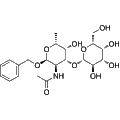
  • Benzyl 2-acetamido-2,6-dideoxy-3-O-β-D-galactopyranosyl α-D-galactopyranoside
    Cat. No.
    A89771

    Benzyl 2-acetamido-2,6-dideoxy-3-O-β-D-galactopyranosyl α-D-galactopyranoside

    Benzyl 2-acetamido-2,6-dideoxy-3-O-β-D-galactopyranosyl α-D-galactopyranoside is a biochemical assay reagent designed for use in glycobiology research. This compound facilitates the investigation of carbohydrate structures, synthesis, and their biological significance. Its applications span enzyme activity analysis related to glycan formation and degradation, as well as protein-glycan interaction studies, contributing to advancements in basic research, biomedicine, and biotechnology.

    Out of stock

    All 3 sizes
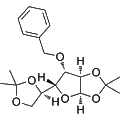
  • 3-O-Benzyl-1,2:5,6-di-O-isopropylidene-α-D-glucofuranose
    Cat. No.
    A89774

    3-O-Benzyl-1,2:5,6-di-O-isopropylidene-α-D-glucofuranose

    3-O-Benzyl-1,2:5,6-di-O-isopropylidene-α-D-glucofuranose is a synthetic carbohydrate derivative designed to mimic natural sugars. This compound serves as a valuable tool in glycoscience research, particularly for studying carbohydrate interactions and enzymatic processes. Its structural modifications provide insights into glycosylation patterns and can aid in the development of glycosylated pharmaceuticals.

    100 mg
    $50.00
    250 mg
    $90.00
    All 4 sizes
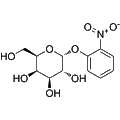
  • 2-Nitrophenyl α-D-galactopyranoside
    Cat. No.
    A89780

    2-Nitrophenyl α-D-galactopyranoside

    2-Nitrophenyl α-D-galactopyranoside is a substrate primarily used to evaluate the hydrolytic activity of glycosyl hydrolases. Its structure as a nitrophenyl derivative makes it suitable for various biochemical assays. This compound is essential for studying enzyme kinetics and the functionality of glycosyl hydrolases in carbohydrate metabolism and related research applications.

    Out of stock

    All 3 sizes
  • 6-Chloro-3-indoxyl-N-acetyl-β-D-galactosaminide
    Cat. No.
    A89781

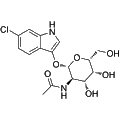
    6-Chloro-3-indoxyl-N-acetyl-β-D-galactosaminide

    6-Chloro-3-indoxyl-N-acetyl-β-D-galactosaminide is a biochemical reagent utilized for specific glycosylation studies. It serves as a substrate for galactosidases, allowing for the assessment of enzymatic activity in various biological samples. This compound is particularly relevant in research applications focused on carbohydrate metabolism and enzyme characterization.

    Out of stock

    All 3 sizes
  • 3,4-Cyclohexenoesculetin β-D-galactopyranoside
    Cat. No.
    A89786

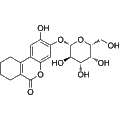
    3,4-Cyclohexenoesculetin β-D-galactopyranoside

    3,4-Cyclohexenoesculetin β-D-galactopyranoside is a biochemical assay reagent that functions as a glycosylated form of the natural product esculetin. This compound exhibits potential antioxidative and anti-inflammatory properties, making it valuable for studying oxidative stress and cellular signaling pathways. It is primarily utilized in biochemical assays to investigate glycosylation effects and related biological activities.

    25 mg
    $125.00
    50 mg
    $190.00
    All 3 sizes
  • MNP-GAL
    Cat. No.
    A89792

    MNP-GAL

    MNP-GAL is a substrate designed for β-Galactosidase assays. Coated with galactose, it is utilized to effectively measure the enzymatic activity of N-acetyl-β-D-glucosaminidase (NAG) and β-D-galactosidase. Its specific interaction with β-Galactosidase makes it a valuable tool in biochemical research and enzyme activity assays.

    Out of stock

    All 3 sizes
  • Methyl 6-deoxy-2-O-methyl-α-D-galactopyranoside
    Cat. No.
    A89793

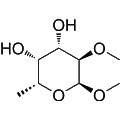
    Methyl 6-deoxy-2-O-methyl-α-D-galactopyranoside

    Methyl 6-deoxy-2-O-methyl-α-D-galactopyranoside is a chemical compound employed in glycobiology research. It serves as a vital tool for studying glycan structures and their roles in biological processes, including protein-glycan interactions and enzymatic pathways associated with glycan metabolism. This compound is particularly useful in investigations of carbohydrate chemistry and the evolution of glycans, contributing to advancements in basic research, biomedicine, and biotechnology.

    Out of stock

    All 3 sizes
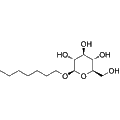
  • Heptyl β-D-glucopyranoside
    Cat. No.
    A89794

    Heptyl β-D-glucopyranoside

    Heptyl β-D-glucopyranoside is a biochemical assay reagent that serves as a non-ionic detergent in various laboratory applications. Its primary mechanism involves enhancing solubility of hydrophobic compounds, making it suitable for studying membrane-associated proteins and lipids. Additionally, it is employed in cell lysis and protein extraction protocols, thereby facilitating research in cell biology and biochemistry.

    Out of stock

    All 3 sizes
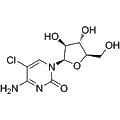
  • 5-Chloro-1-(β-D-arabinofuranosyl)cytidine
    Cat. No.
    A89796

    5-Chloro-1-(β-D-arabinofuranosyl)cytidine

    5-Chloro-1-(β-D-arabinofuranosyl)cytidine is a nucleoside analog that functions primarily as a biochemical assay reagent. This compound exhibits significant antiviral activity, particularly against ribonucleic acid (RNA) viruses, and is utilized in research focused on virology and cellular biology. Its unique structural properties make it a valuable tool for studying nucleotide metabolism and the effects of nucleoside analogs on viral replication.

    Out of stock

    All 3 sizes
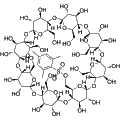
  • Mono-6-O-mesitylenesulfonyl-γ-cyclodextrin
    Cat. No.
    A89799

    Mono-6-O-mesitylenesulfonyl-γ-cyclodextrin

    Mono-6-O-mesitylenesulfonyl-γ-cyclodextrin is a biochemical assay reagent that serves as a versatile ligand for various biological interactions. This compound exhibits binding capabilities, facilitating the study of molecular recognition processes and the enhancement of solubility in biochemical assays. It is applicable in a range of research areas, including drug delivery, enzymatic studies, and the analysis of complex biological systems.

    Out of stock

    All 3 sizes
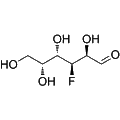
  • 3-Deoxy-3-fluoro-D-galactose
    Cat. No.
    A89822

    3-Deoxy-3-fluoro-D-galactose

    3-Deoxy-3-fluoro-D-galactose is a biochemical reagent targeting glycobiology. This compound is utilized to study carbohydrate structure, synthesis, and the biological roles of sugars. Its application extends to investigating glycan formation, enzymatic degradation, and protein-glycan interactions, making it valuable for research in basic science, biomedicine, and biotechnology.

    5 mg
    $325.00
    25 mg
    $1,455.00
    All 3 sizes

Items 276-300 of 1090

Added to your cart

View Cart Checkout

    Loading...