Carbohydrates & Glycobiology

Carbohydrates for glycobiology research range from sugars and sugar alcohols to amino sugars and polysaccharides. Sugar alcohols such as D-Sorbitol and maltitol are used as osmotic agents, stabilizers and enzyme substrates. Among the sugars, lactulose is a synthetic disaccharide built from galactose and fructose. Glucosamine and its salts represent the amino sugars, which are building blocks of glycosaminoglycans and chitin. Polysaccharides include hyaluronic acid, a glycosaminoglycan of the extracellular matrix, and chitosan, the deacetylated form of chitin. Protected sugars such as D-Xylofuranose, 1,2,3,5-tetraacetate serve as starting materials for nucleoside synthesis. The category belongs to Biochemical Assay Reagents, next to Acyl-CoA & Cofactors and Chelators & Bifunctional Chelators.

Items 251-275 of 1090

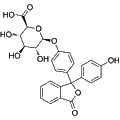
  • Phenolphthalein β-D-glucuronide
    Cat. No.
    A89614

    Phenolphthalein β-D-glucuronide

    Phenolphthalein β-D-glucuronide serves as a biochemical assay reagent primarily utilized for detecting β-glucuronidase activity. This compound displays key biological activity by producing a colorimetric change upon enzymatic hydrolysis, making it valuable for various research applications, including enzyme kinetics studies and investigation of drug metabolism. Its reliable performance in assays enhances the understanding of glucuronidation processes in biological systems.

    5 mg
    $105.00
    All 1 sizes
  • Methyl 2-O-methyl-3,4-O-(1-methylethylidene)-α-D-galactopyranoside
    Cat. No.
    A89618

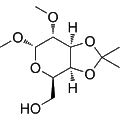
    Methyl 2-O-methyl-3,4-O-(1-methylethylidene)-α-D-galactopyranoside

    Methyl 2-O-methyl-3,4-O-(1-methylethylidene)-α-D-galactopyranoside is a biochemical assay reagent that serves as a critical tool in glycosylation studies. This compound is particularly useful for investigating carbohydrate-protein interactions and analyzing glycan structures. Its specific reactivity offers potential applications in pharmaceuticals and biotechnology research, providing insights into glycosylation patterns in various biological systems.

    Out of stock

    All 3 sizes
  • X-GlcNAc
    Cat. No.
    A89626

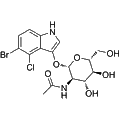
    X-GlcNAc

    X-GlcNAc is a biochemical assay reagent primarily utilized for the detection and quantification of glycoproteins. This compound functions as a substrate for various glycosyltransferases, enabling researchers to study glycosylation processes and their implications in cellular signaling and disease models. X-GlcNAc is essential for applications that require the monitoring of glycan structures in glycoprotein research and can facilitate insights into cell-cell interactions and molecular recognition.

    10 mg
    $25.00
    25 mg
    $50.00
    All 4 sizes
  • 1,2:3,4-Di-O-isopropylidene-6-deoxy-6-nitro-α-D-galactopyranose
    Cat. No.
    A89636

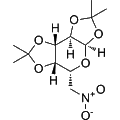
    1,2:3,4-Di-O-isopropylidene-6-deoxy-6-nitro-α-D-galactopyranose

    1,2:3,4-Di-O-isopropylidene-6-deoxy-6-nitro-α-D-galactopyranose is a biochemical reagent targeting glycobiology. This compound is instrumental in the study of sugar structures, their synthesis, and biological functions. Its applications extend to carbohydrate chemistry, the enzymatic processes of glycan metabolism, and the interactions between proteins and glycans, making it a valuable tool in research related to biomedicine and biotechnology.

    Out of stock

    All 3 sizes
  • 1,2,3,4-Tetra-O-acetyl-β-D-glucuronic acid
    Cat. No.
    A89643

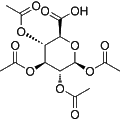
    1,2,3,4-Tetra-O-acetyl-β-D-glucuronic acid

    Synonyms: β-D-Glucopyranuronic acid tetraacetate

    1,2,3,4-Tetra-O-acetyl-β-D-glucuronic acid is a biochemical assay reagent that serves as a critical tool in glycobiology research. This compound facilitates the study of carbohydrate chemistry, including glycan synthesis, degradation, and protein-glycan interactions. Its applications extend to various fields such as basic research, biomedicine, and biotechnology, enabling scientists to explore the role of glycans in biological systems.

    100 mg
    $95.00
    250 mg
    $140.00
    All 3 sizes
  • 1,2-O-Cyclohexylidene-myo-inositol
    Cat. No.
    A89647

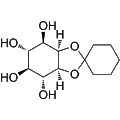
    1,2-O-Cyclohexylidene-myo-inositol

    1,2-O-Cyclohexylidene-myo-inositol is a biochemical reagent that targets glycobiology, facilitating the study of carbohydrate structures and their biological functions. It plays a crucial role in understanding the synthesis and degradation of glycans, as well as their interactions with proteins. This compound supports research in fundamental biology, biomedicine, and biotechnology, contributing to advancements in the exploration of glycan-related processes and their implications in various biological systems.

    100 mg
    $55.00
    500 mg
    $135.00
    All 4 sizes
  • p-Nitrophenyl 2-acetamido-2-deoxy-3-O-acetyl-β-D-glucopyranoside
    Cat. No.
    A89648

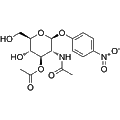
    p-Nitrophenyl 2-acetamido-2-deoxy-3-O-acetyl-β-D-glucopyranoside

    p-Nitrophenyl 2-acetamido-2-deoxy-3-O-acetyl-β-D-glucopyranoside serves as a biochemical assay reagent that is primarily utilized to study glycosidase enzyme activity. This compound releases p-nitrophenol upon hydrolysis, allowing for colorimetric quantification that aids in enzymatic assays. Its applications extend to analyzing carbohydrate metabolism and investigating the functionality of glycosyltransferases and other related enzymes in various biological research settings.

    Out of stock

    All 3 sizes
  • 3,4-O-Isopropylidene-D-mannitol
    Cat. No.
    A89652

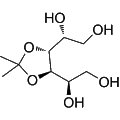
    3,4-O-Isopropylidene-D-mannitol

    3,4-O-Isopropylidene-D-mannitol is a biochemical assay reagent that serves as a protective group for hydroxyl-containing compounds in synthetic organic chemistry. Its primary mechanism involves the formation of acetal derivatives, which stabilizes reactive intermediates in biochemical studies. This compound is utilized in carbohydrate chemistry and can aid in the development of various synthetic pathways for biological research applications.

    500 mg
    $65.00
    All 1 sizes
  • Phenylmethyl 4-deoxy-4-(nitromethyl)-β-D-arabinopyranoside
    Cat. No.
    A89667

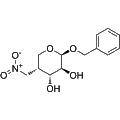
    Phenylmethyl 4-deoxy-4-(nitromethyl)-β-D-arabinopyranoside

    Phenylmethyl 4-deoxy-4-(nitromethyl)-β-D-arabinopyranoside is a biochemical reagent targeting glycobiology pathways. It is utilized to investigate the structure and function of glycans, playing a crucial role in the study of carbohydrate chemistry and the enzymology of glycan synthesis and degradation. This compound aids in exploring protein-glycan interactions and the biological significance of glycans, contributing to advancements in basic research, biomedicine, and biotechnology.

    Out of stock

    All 3 sizes
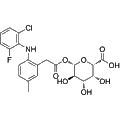
  • Lumiracoxib acyl-β-D-glucuronide
    Cat. No.
    A89668

    Lumiracoxib acyl-β-D-glucuronide

    Lumiracoxib acyl-β-D-glucuronide is a biochemical reagent that targets glycobiology, focusing on the study of glycan structures and their biological implications. This compound is instrumental in exploring carbohydrate chemistry, the enzymatic processes involved in glycan formation and degradation, and protein-glycan interactions. Its applications extend to fundamental research, biomedicine, and biotechnology, facilitating advancements in understanding the role of glycans in various biological systems.

    1 mg
    $335.00
    10 mg
    $2,720.00
    All 2 sizes
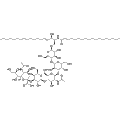
  • Sialyl Neolactotetraosylceramide
    Cat. No.
    A89672

    Sialyl Neolactotetraosylceramide

    Synonyms: Sialyl nLc4Cer; IV3NeuAcnLc4Cer

    Sialyl Neolactotetraosylceramide (Sialyl nLc4Cer) is a biochemical assay reagent that serves as an essential component in studying glycosphingolipids and their interactions within biological systems. This compound is utilized to investigate cellular processes such as adhesion, signaling, and immune responses, making it valuable for research in cell biology and biochemistry. Its role in glycan-mediated recognition provides insights into various physiological and pathological conditions.

    Out of stock

    All 3 sizes
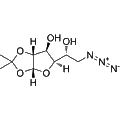
  • 6-Azido-6-deoxy-1,2-O-(1-methylethylidene)-α-D-glucofuranose
    Cat. No.
    A89674

    6-Azido-6-deoxy-1,2-O-(1-methylethylidene)-α-D-glucofuranose

    6-Azido-6-deoxy-1,2-O-(1-methylethylidene)-α-D-glucofuranose is an azido sugar analog primarily utilized in glycobiology research. It serves as a valuable tool for studying glycan synthesis and structure, facilitating investigations into protein-glycan interactions and glycan-mediated biological processes. This compound supports various applications in carbohydrate chemistry and enzymology, contributing to advances in understanding the role of glycans in health and disease.

    25 mg
    $140.00
    50 mg
    $205.00
    All 5 sizes
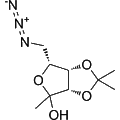
  • 6-Azido-1,6-dideoxy-3,4-O-isopropylidene-D-lyxo-2-hexulofuranose
    Cat. No.
    A89679

    6-Azido-1,6-dideoxy-3,4-O-isopropylidene-D-lyxo-2-hexulofuranose

    6-Azido-1,6-dideoxy-3,4-O-isopropylidene-D-lyxo-2-hexulofuranose is a biochemical assay reagent that acts as a versatile labeling agent. This compound facilitates the incorporation of azide groups in biomolecules, enabling diverse applications in bioconjugation and click chemistry. It is particularly valuable for studying glycosylation processes and metabolic pathways in various biological systems.

    10 mg
    $280.00
    25 mg
    $375.00
    All 3 sizes
  • α-D-Galactofuranose,1,2:5,6-bis-O-(1-methylethylidene),acetate
    Cat. No.
    A89683

    α-D-Galactofuranose,1,2:5,6-bis-O-(1-methylethylidene),acetate

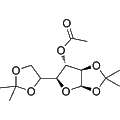
    α-D-Galactofuranose, 1,2:5,6-bis-O-(1-methylethylidene), acetate is a biochemical assay reagent that serves as a carbohydrate derivative, providing a versatile tool for glycan research. This compound is useful in various biochemical assays for studying glycosylation and carbohydrate interactions. It aids in the investigation of cellular processes and the development of glycomics-related applications in both basic and applied research.

    Out of stock

    All 3 sizes
  • Benzyl 2,3,4-tri-O-benzyl-L-rhamnopyranose
    Cat. No.
    A89684

    Benzyl 2,3,4-tri-O-benzyl-L-rhamnopyranose

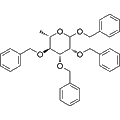
    Benzyl 2,3,4-tri-O-benzyl-L-rhamnopyranose is a biochemical reagent used primarily in glycobiology research. This compound serves as a versatile building block for the synthesis of glycosylated compounds and aids in the investigation of carbohydrate interactions within biological systems. Its applications include studies on glycan structure and function, enzymatic processes related to glycan synthesis, and protein-glycan recognition, making it valuable for research in biomedicine and biotechnology.

    Out of stock

    All 3 sizes
  • Methyl 1-β-D-ribofuranosyl-1H-1,2,4-triazole-3-carboxylate
    Cat. No.
    A89686

    Methyl 1-β-D-ribofuranosyl-1H-1,2,4-triazole-3-carboxylate

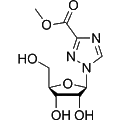
    Methyl 1-β-D-ribofuranosyl-1H-1,2,4-triazole-3-carboxylate is a biochemical assay reagent with a focus on nucleic acids. This compound exhibits significant activity in modulating ribonucleic acid synthesis and can serve as a vital tool in molecular biology research. Its applications extend to evaluating enzyme activities and studying RNA interactions, making it an essential reagent for researchers in the field of nucleic acid biochemistry.

    10 mg
    $365.00
    100 mg
    $2,450.00
    All 2 sizes
  • Benzyl 2,3-Di-O-benzyl-4-O-benzoyl-β-D-galactopyranoside
    Cat. No.
    A89687

    Benzyl 2,3-Di-O-benzyl-4-O-benzoyl-β-D-galactopyranoside

    Benzyl 2,3-Di-O-benzyl-4-O-benzoyl-β-D-galactopyranoside is a biochemical reagent targeting glycobiology, specifically involved in the study of carbohydrate interactions and structures. This compound serves as a valuable tool for examining glycan synthesis and degradation processes, as well as protein-glycan recognition mechanisms. Its applications extend to fundamental research in biomedicine and biotechnology, providing insights into the biological roles of glycans across various systems.

    Out of stock

    All 3 sizes
  • β-D-Galactopyranoside, phenylmethyl 3,4,6-tris-O-(phenylmethyl)-, acetate
    Cat. No.
    A89688

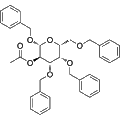
    β-D-Galactopyranoside, phenylmethyl 3,4,6-tris-O-(phenylmethyl)-, acetate

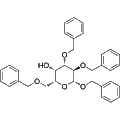
    β-D-Galactopyranoside, phenylmethyl 3,4,6-tris-O-(phenylmethyl)-, acetate is a specialized reagent for glycobiology research, focusing on the study of carbohydrates and their interactions within biological systems. This compound plays a crucial role in the analysis of glycan structure and synthesis, as well as in enzymatic processes related to glycan formation and degradation. Its applications extend to the investigation of protein-glycan recognition mechanisms, contributing to advancements in biomedicine and biotechnology.

    50 mg
    $110.00
    100 mg
    $175.00
    All 4 sizes
  • Lewis X Trisaccharide,Methyl Glycoside
    Cat. No.
    A89691

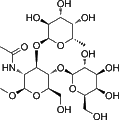
    Lewis X Trisaccharide,Methyl Glycoside

    Lewis X Trisaccharide, Methyl Glycoside is a biochemical reagent utilized in glycobiology research. This compound serves as a structural and functional probe for studying carbohydrate interactions, glycan synthesis, and degradation processes. Its application extends to understanding protein-glycan recognition mechanisms and the biological roles of glycans, making it valuable in basic research, biomedicine, and biotechnology.

    1 mg
    $600.00
    All 1 sizes
  • N-Allyloxycarbonyl-β-lactosamine
    Cat. No.
    A89693

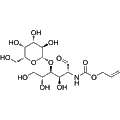
    N-Allyloxycarbonyl-β-lactosamine

    N-Allyloxycarbonyl-β-lactosamine serves as a biochemical assay reagent that is crucial for studying carbohydrate-protein interactions. This compound functions as a glycosylation probe, facilitating research on glycan biology and its implications in cellular processes. It is particularly valuable in applications involving lectin binding studies and the analysis of glycosylated biomolecules.

    Out of stock

    All 3 sizes
  • Methyl 4,6-O-(phenylmethylene)-3-O-2-propen-1-yl-α-D-mannopyranoside
    Cat. No.
    A89699

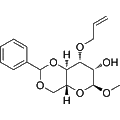
    Methyl 4,6-O-(phenylmethylene)-3-O-2-propen-1-yl-α-D-mannopyranoside

    Methyl 4,6-O-(phenylmethylene)-3-O-2-propen-1-yl-α-D-mannopyranoside targets glycan structures and is used extensively in glycobiology research. This compound facilitates studies on carbohydrate chemistry, glycan synthesis and degradation, and protein-glycan interactions, thereby enhancing the understanding of glycans in biological systems. Its applications are significant in both basic research and biomedicine, contributing to advancements in biotechnology.

    Out of stock

    All 3 sizes
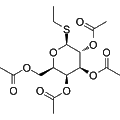
  • Ethyl 1-thio-β-D-galactopyranoside tetraacetate
    Cat. No.
    A89702

    Ethyl 1-thio-β-D-galactopyranoside tetraacetate

    Ethyl 1-thio-β-D-galactopyranoside tetraacetate is a biochemical assay reagent that serves as a substrate for galactoside-specific glycosidases. It is primarily utilized in glycobiology research to study glycan structure and function. The compound can facilitate the analysis of enzymatic activity and contribute to the understanding of carbohydrate-related biological processes.

    100 mg
    $20.00
    250 mg
    $35.00
    All 3 sizes
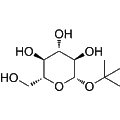
  • tert-Butyl β-D-glucopyranoside
    Cat. No.
    A89710

    tert-Butyl β-D-glucopyranoside

    tert-Butyl β-D-glucopyranoside serves as a biochemical reagent widely used in glycobiology research. It facilitates the study of carbohydrate structures, synthesis, and enzymatic processes involved in glycan formation and degradation. Additionally, this compound aids in exploring protein-glycan interactions and the functional significance of glycans in various biological systems, contributing to advancements in basic research, biomedicine, and biotechnology.

    Out of stock

    All 3 sizes
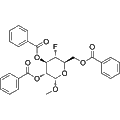
  • α-D-Glucopyranoside,methyl 4-deoxy-4-fluoro,2,3,6-tribenzoate
    Cat. No.
    A89713

    α-D-Glucopyranoside,methyl 4-deoxy-4-fluoro,2,3,6-tribenzoate

    α-D-Glucopyranoside, methyl 4-deoxy-4-fluoro, 2,3,6-tribenzoate is a biochemical reagent utilized in glycobiology research. This compound serves as a tool for studying carbohydrate structures and their biological functions, particularly in the synthesis and degradation of glycans. Its applications include investigations into protein-glycan interactions and the roles of glycans in various biological systems, making it a valuable resource for advances in biomedicine and biotechnology.

    Out of stock

    All 3 sizes
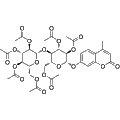
  • 4-Methylumbelliferyl-β-D-cellobiose heptaacetate
    Cat. No.
    A89717

    4-Methylumbelliferyl-β-D-cellobiose heptaacetate

    4-Methylumbelliferyl-β-D-cellobiose heptaacetate is a biochemical assay reagent that serves as a substrate for measuring the activity of β-glucosidases and related enzymes. Upon enzymatic cleavage, it releases a fluorescent product, facilitating the quantification of enzyme activity in various biological samples. This compound is utilized in enzymatic studies and is particularly valuable in carbohydrate metabolism research applications.

    Out of stock

    All 3 sizes

Items 251-275 of 1090

Added to your cart

View Cart Checkout

    Loading...