Carbohydrates & Glycobiology

Carbohydrates for glycobiology research range from sugars and sugar alcohols to amino sugars and polysaccharides. Sugar alcohols such as D-Sorbitol and maltitol are used as osmotic agents, stabilizers and enzyme substrates. Among the sugars, lactulose is a synthetic disaccharide built from galactose and fructose. Glucosamine and its salts represent the amino sugars, which are building blocks of glycosaminoglycans and chitin. Polysaccharides include hyaluronic acid, a glycosaminoglycan of the extracellular matrix, and chitosan, the deacetylated form of chitin. Protected sugars such as D-Xylofuranose, 1,2,3,5-tetraacetate serve as starting materials for nucleoside synthesis. The category belongs to Biochemical Assay Reagents, next to Acyl-CoA & Cofactors and Chelators & Bifunctional Chelators.

Items 526-550 of 1090

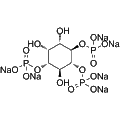
  • D-myo-Inositol 1,4,5-trisphosphate sodium salt
    Cat. No.
    A90865

    D-myo-Inositol 1,4,5-trisphosphate sodium salt

    D-myo-Inositol 1,4,5-trisphosphate sodium salt functions primarily as a signaling molecule through its interaction with inositol trisphosphate receptors. It exhibits key biological activities related to calcium release and cellular signaling pathways, making it instrumental in studies focusing on cardiovascular protection and preconditioning of cardiac tissues. This compound is valuable for research applications investigating the mechanisms underlying heart function and protection against ischemic injury.

    Out of stock

    All 3 sizes
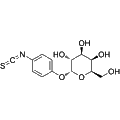
  • α-D-Galactopyranosylphenyl isothiocyanate
    Cat. No.
    A90875

    α-D-Galactopyranosylphenyl isothiocyanate

    α-D-Galactopyranosylphenyl isothiocyanate acts as a versatile biochemical assay reagent. It is commonly utilized in the synthesis of Galactosylated a-CDE conjugates, facilitating the study of carbohydrate-protein interactions and metabolic processes. This compound is essential for researchers investigating glycosylation patterns and their implications in biological systems.

    0.5 mg
    $60.00
    1 mg
    $110.00
    All 6 sizes
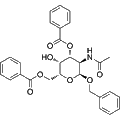
  • Benzyl 2-acetamido-3,6-di-O-benzoyl-2-deoxy-α-D-galactopyranoside
    Cat. No.
    A90876

    Benzyl 2-acetamido-3,6-di-O-benzoyl-2-deoxy-α-D-galactopyranoside

    Benzyl 2-acetamido-3,6-di-O-benzoyl-2-deoxy-α-D-galactopyranoside is a specialized reagent utilized in glycobiology research, targeting carbohydrate chemistry and glycan biosynthesis. This compound serves as a valuable tool for studying the structure and function of complex carbohydrates, including their roles in cellular signaling and recognition processes. Its application extends to various aspects of biomedicine and biotechnology, facilitating insights into carbohydrate-mediated biological interactions and their implications in health and disease.

    Out of stock

    All 3 sizes
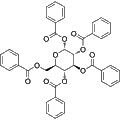
  • α-D-Glucopyranose, 98%
    Cat. No.
    A90884

    α-D-Glucopyranose, 98%

    Synonyms: 1,2,3,4,6-Pentabenzoate; 98%

    α-D-Glucopyranose is a monosaccharide that serves as a key structural component in various polysaccharides and glycoproteins. This compound is widely utilized in glycobiology research to study carbohydrate interactions and metabolism. Its high purity level of 98% makes it suitable for biochemical assays and applications in enzymology and carbohydrate synthesis.

    5 g
    $30.00
    10 g
    $45.00
    All 3 sizes
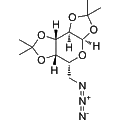
  • 1,2:3,4-Di-O-isopropylidene-6-deoxy-6-azido-α-D-galactopyranose
    Cat. No.
    A90885

    1,2:3,4-Di-O-isopropylidene-6-deoxy-6-azido-α-D-galactopyranose

    1,2:3,4-Di-O-isopropylidene-6-deoxy-6-azido-α-D-galactopyranose is a biochemical reagent targeting glycobiology, specifically in the study of carbohydrate structures and functions. This compound plays a crucial role in examining glycan synthesis, enzymatic processes of glycan degradation, and protein-glycan interactions. It serves as an important tool in understanding the biological roles of glycans, contributing to advancements in biomedicine and biotechnology research.

    50 mg
    $95.00
    100 mg
    $150.00
    All 3 sizes
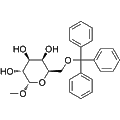
  • Methyl 6-O-(triphenylmethyl)-α-D-galactopyranoside
    Cat. No.
    A90891

    Methyl 6-O-(triphenylmethyl)-α-D-galactopyranoside

    Methyl 6-O-(triphenylmethyl)-α-D-galactopyranoside is a biochemical reagent targeting glycosylation processes in glycobiology. This compound serves as a valuable tool for exploring the structure, synthesis, and function of glycans, enabling researchers to investigate carbohydrate chemistry, enzymatic pathways, and protein-glycan interactions. Its applications extend across basic research, biomedicine, and biotechnology, making it an essential resource for studying the roles of sugars in various biological systems.

    Out of stock

    All 3 sizes
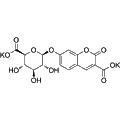
  • 3-Carboxyumbelliferyl-β-D-glucuronide dipotassium
    Cat. No.
    A90900

    3-Carboxyumbelliferyl-β-D-glucuronide dipotassium

    3-Carboxyumbelliferyl-β-D-glucuronide dipotassium is a chromogenic substrate specifically designed for the detection of enzyme activity. This reagent serves as a valuable tool for evaluating glycosidase activity in biochemical assays. Its utility extends across various research applications, making it an essential component in compound discovery and biomedical research.

    Out of stock

    All 3 sizes
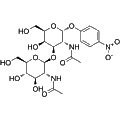
  • GlcNAcβ(1-3)GalNAc-α-pNP
    Cat. No.
    A90907

    GlcNAcβ(1-3)GalNAc-α-pNP

    GlcNAcβ(1-3)GalNAc-α-pNP is a biochemical assay reagent primarily targeting glycosyltransferases. This compound is utilized for the detection and study of glycosylation processes in various biological systems. It serves as a substrate for enzymatic assays, facilitating research on glycobiology and related metabolic pathways.

    5 mg
    $720.00
    10 mg
    $1,195.00
    All 3 sizes
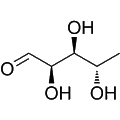
  • 5-Deoxy-L-arabinose
    Cat. No.
    A90909

    5-Deoxy-L-arabinose

    5-Deoxy-L-arabinose serves as a biochemical assay reagent, primarily utilized to inhibit the activity of certain glycosyltransferases. This compound is instrumental in studying carbohydrate metabolism and glycoprotein synthesis. Its unique structural properties make it a valuable tool in various biochemical applications, including enzyme inhibition assays and metabolic pathway investigations.

    5 mg
    $35.00
    10 mg
    $50.00
    All 5 sizes
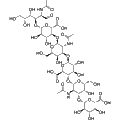
  • Hyaluronate hexasaccharide
    Cat. No.
    A90915

    Hyaluronate hexasaccharide

    Hyaluronate hexasaccharide is a glycosaminoglycan fragment that serves as a biochemical assay reagent, primarily targeting cell signaling pathways. It plays a critical role in studying cellular interactions, tissue hydration, and inflammation processes, making it valuable for research in developmental biology, tissue engineering, and regenerative medicine. Its unique properties facilitate investigations into hyaluronic acid's biological functions and potential therapeutic applications.

    Out of stock

    All 3 sizes
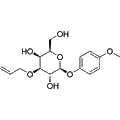
  • 4-Methoxyphenyl 3-O-allyl-β-D-galactopyranoside
    Cat. No.
    A90929

    4-Methoxyphenyl 3-O-allyl-β-D-galactopyranoside

    Synonyms: 4-Methoxyphenyl 3-O-allyl-beta-D-galactopyranoside

    4-Methoxyphenyl 3-O-Allyl-β-D-galactopyranoside is a galactopyranoside derivative that serves as a biochemical assay reagent. It exhibits key biological activity by acting as a versatile building block for synthesizing complex glycosides and glycoconjugates. This compound is particularly useful in research focused on carbohydrate metabolism and protein-carbohydrate interactions. The allyl protecting group can be selectively removed under palladium-catalyzed conditions, allowing for subsequent chemical modifications and applications in further research.

    Out of stock

    All 3 sizes
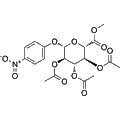
  • Methyl p-nitrophenyl 2,3,4-tri-O-acetyl-β-D-glucouronate
    Cat. No.
    A90932

    Methyl p-nitrophenyl 2,3,4-tri-O-acetyl-β-D-glucouronate

    Methyl p-nitrophenyl 2,3,4-tri-O-acetyl-β-D-glucuronate is a biochemical reagent utilized in glycobiology research, targeting the structural and functional properties of glycans. It plays a significant role in studies involving carbohydrate chemistry, glycan biosynthesis, and protein-glycan interactions. This compound is essential for understanding the biological roles of carbohydrates in various systems and has applications in basic research, biomedicine, and biotechnology.

    50 mg
    $135.00
    100 mg
    $205.00
    All 4 sizes
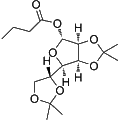
  • O-n-Butanoyl-2,3,5,6-O-diisopropylidene-α-D-mannofuranoside
    Cat. No.
    A90934

    O-n-Butanoyl-2,3,5,6-O-diisopropylidene-α-D-mannofuranoside

    O-n-Butanoyl-2,3,5,6-O-diisopropylidene-α-D-mannofuranoside is a specialized reagent targeting glycobiology, serving as a crucial tool for studying the structure and function of carbohydrates. This compound facilitates research in carbohydrate chemistry and enzyme interactions related to glycan synthesis and degradation. It is valuable for investigations into protein-glycan recognition and the biological roles of glycans in various systems, making it relevant for applications in basic research, biomedicine, and biotechnology.

    Out of stock

    All 3 sizes
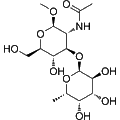
  • Fuc1-α-3GlcNAc1-β-Ome
    Cat. No.
    A90938

    Fuc1-α-3GlcNAc1-β-Ome

    Fuc1-α-3GlcNAc1-β-Ome is a glycan structure that serves as a biochemical reagent in glycobiology research. This compound plays a critical role in studying the structure and function of glycans, facilitating investigations into carbohydrate chemistry, glycan synthesis and degradation, and protein-glycan interactions. Its applications extend to various fields, including basic research, biomedicine, and biotechnology, making it an essential tool for understanding the biological significance of carbohydrates.

    5 mg
    $305.00
    10 mg
    $530.00
    All 4 sizes
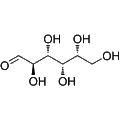
  • D-Gulose
    Cat. No.
    A90939

    D-Gulose

    D-Gulose is a monosaccharide crucial for glycobiology research, targeting the structure and function of carbohydrates. It plays a significant role in studying glycan synthesis, enzymatic activity related to glycan metabolism, and protein-glycan interactions. D-Gulose is instrumental in understanding the biological significance of glycans in various systems, making it valuable for basic research, biomedicine, and biotechnological applications.

    5 mg
    $80.00
    10 mg
    $135.00
    All 4 sizes
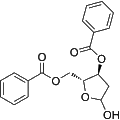
  • Ribofuranose,2-deoxy,3,5-dibenzoate
    Cat. No.
    A90941

    Ribofuranose,2-deoxy,3,5-dibenzoate

    Ribofuranose, 2-deoxy, 3,5-dibenzoate is a biochemical reagent utilized in glycobiology studies, focusing on the structure and function of carbohydrates. This compound plays a significant role in investigating the chemistry of glycans, enzymatic processes related to glycan synthesis and degradation, as well as protein-glycan interactions. Its applications extend across basic research, biomedicine, and biotechnology, contributing to a deeper understanding of glycan-related biological processes.

    100 mg
    $320.00
    1 g
    $2,555.00
    All 2 sizes
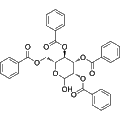
  • D-Mannopyranose,2,3,4,6-tetrabenzoate
    Cat. No.
    A90948

    D-Mannopyranose,2,3,4,6-tetrabenzoate

    D-Mannopyranose, 2,3,4,6-tetrabenzoate is a biochemical reagent primarily utilized in glycobiology research. It serves as a versatile tool for studying the structure and function of glycans, including their synthesis, recognition by proteins, and roles within biological systems. This compound can facilitate investigations into carbohydrate chemistry, enzyme activities involved in glycan metabolism, and the implications of glycans in health and disease. As such, it is integral for advancing research in fundamental biology, biomedicine, and biotechnological applications.

    100 mg
    $80.00
    1 g
    $240.00
    All 3 sizes
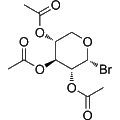
  • α-Acetobromo-D-xylose, 95%
    Cat. No.
    A90949

    α-Acetobromo-D-xylose, 95%

    Synonyms: Bromo 2,3,4-Tri-O-acetyl-α-D-xylopyranoside; 95%

    α-Acetobromo-D-xylose is a biochemical reagent that functions as a glycosylating agent. It demonstrates selective reactivity with hydroxyl groups, enabling the modification of various carbohydrate structures. This compound is instrumental in the study of carbohydrate chemistry and the synthesis of glycosides, facilitating research in glycoprotein and glycolipid development.

    50 mg
    $30.00
    100 mg
    $50.00
    All 4 sizes
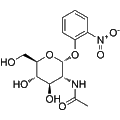
  • 2-Nitrophenyl 2-(acetylamino)-2-deoxy-α-D-glucopyranoside
    Cat. No.
    A90951

    2-Nitrophenyl 2-(acetylamino)-2-deoxy-α-D-glucopyranoside

    2-Nitrophenyl 2-(acetylamino)-2-deoxy-α-D-glucopyranoside serves as a biochemical assay reagent, primarily targeting glycosylation processes. It is utilized in various biochemical assays to measure enzyme activity and substrate interactions, particularly in studies involving glycosidases. This compound is essential for investigating carbohydrate metabolism and can aid in the development of assays for disease diagnostics and therapeutic research.

    Out of stock

    All 3 sizes
  • Butyl α-D-glucopyranoside
    Cat. No.
    A90952

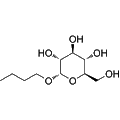
    Butyl α-D-glucopyranoside

    Butyl α-D-glucopyranoside is a glycoside that serves as a biochemical assay reagent. It is primarily utilized in glycobiology research to study oligosaccharide interactions and carbohydrate-related processes. This compound facilitates the investigation of glycan structures and their biological functions, providing insights into cellular recognition events and signaling pathways.

    Out of stock

    All 3 sizes
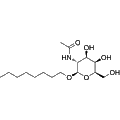
  • Octyl 2-(acetylamino)-2-deoxy-β-D-galactopyranoside
    Cat. No.
    A90954

    Octyl 2-(acetylamino)-2-deoxy-β-D-galactopyranoside

    Octyl 2-(acetylamino)-2-deoxy-β-D-galactopyranoside primarily functions as a biochemical assay reagent. This compound plays a critical role in facilitating the study of glycoprotein interactions and cell signaling pathways. Its unique structure allows for the exploration of carbohydrate-based biological processes and can be employed in various research applications, including enzymatic assays and cellular studies.

    25 mg
    $275.00
    50 mg
    $525.00
    All 3 sizes
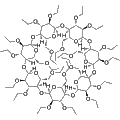
  • Heptakis(2,3,6-tri-O-ethyl)-β-cyclodextrin
    Cat. No.
    A90955

    Heptakis(2,3,6-tri-O-ethyl)-β-cyclodextrin

    Heptakis(2,3,6-tri-O-ethyl)-β-cyclodextrin is a modified cyclodextrin that serves as a versatile biochemical assay reagent. Its unique structure enhances solubility and enables complexation with various guest molecules, making it invaluable in drug formulation studies and delivery systems. This compound is particularly useful for research involving molecular encapsulation, improving bioavailability, and enhancing the stability of active pharmaceutical ingredients.

    Out of stock

    All 3 sizes
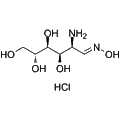
  • D-Glucosamine oxime hydrochloride
    Cat. No.
    A90956

    D-Glucosamine oxime hydrochloride

    D-Glucosamine oxime hydrochloride serves as a versatile biochemical assay reagent primarily used in life science research. This compound is instrumental in studying glycosaminoglycan synthesis and metabolism, paving the way for investigations into cellular signaling pathways and tissue remodeling. Its biological activity makes it suitable for various applications, including cell culture and enzymatic assays.

    Out of stock

    All 3 sizes
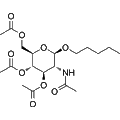
  • Amyl 2-acetamido-3,4,6-tri-O-acetyl-2-deoxy-b-D-glucopyranoside
    Cat. No.
    A90962

    Amyl 2-acetamido-3,4,6-tri-O-acetyl-2-deoxy-b-D-glucopyranoside

    Amyl 2-acetamido-3,4,6-tri-O-acetyl-2-deoxy-β-D-glucopyranoside serves as a biochemical assay reagent with specific applications in glycobiology research. This compound is utilized to study glycan structures and interactions, contributing valuable insights into cellular processes and signaling pathways. Its acetylated form aids in the stability and solubility of glucosamine derivatives in various analytical methodologies.

    Out of stock

    All 3 sizes
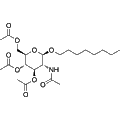
  • β-D-Glucopyranoside,octyl 2-(acetylamino)-2-deoxy,3,4,6-triacetate
    Cat. No.
    A90965

    β-D-Glucopyranoside,octyl 2-(acetylamino)-2-deoxy,3,4,6-triacetate

    β-D-Glucopyranoside, octyl 2-(acetylamino)-2-deoxy, 3,4,6-triacetate serves as a biochemical assay reagent, primarily utilized in enzymatic assays and carbohydrate research. This compound facilitates the study of glycosylation processes and can be employed to investigate enzyme activity related to glycoside hydrolases. Its structural attributes allow for enhanced solubility and reactivity in various biological applications.

    25 mg
    $135.00
    50 mg
    $185.00
    All 4 sizes

Items 526-550 of 1090

Added to your cart

View Cart Checkout

    Loading...